

Have you ever walked into a room and felt an immediate sense of relief, as if the walls themselves were giving you a warm, quiet hug? That is the magic of hygge minimalism. For years, I thought minimalism meant cold white walls and uncomfortable chairs, but then I discovered the Danish secret of hygge—the art of coziness and contentment. When you blend the two, you create a home that isn’t just ‘clean,’ but soulful and restorative.
Creating a warm, simple home is about more than just decluttering; it is about curating the things that make your heart feel full while letting go of the noise. It’s the scent of a beeswax candle flickering on a reclaimed wood table, or the feeling of your feet sinking into a high-pile rug after a long day of work. It is about making space for what truly matters: your peace of mind and the people you love.
How to Create a Cozy Minimalist Living Room for Total Serenity

Why we love this
There is a profound stillness that comes with a curated living space where every object has a purpose and a place. We love this approach because it treats your home as a sanctuary, emphasizing the soft glow of warm-toned lighting against neutral fabrics. Imagine the sensory delight of running your hand over a raw linen sofa while the air carries the faint, earthy aroma of dried eucalyptus. It is a visual and tactile symphony that calms the nervous system and invites you to simply exist in the present moment.
Essential Elements:
- Neutral-toned low-profile seating
- Organic cotton or wool throw blankets
- Dimmable floor lamps with warm-spectrum bulbs
- Minimalist floating wooden shelves
- A singular, large-scale piece of abstract art
How to make it
- Begin by stripping the room to its bare bones, removing all decorative items and smaller furniture to assess the ‘base’ temperature of the space.
- Select a primary anchor piece, usually the sofa, ensuring it is positioned toward the natural light source to maximize daytime brightness.
- Layer in ‘heat’ through lighting; replace cool-toned bulbs with 2700K warm-white LEDs to create a golden hour glow that remains consistent throughout the evening.
- Introduce texture in stages, starting with a large jute or wool rug as the foundation, then draping throws over seating at 45-degree angles for a relaxed, lived-in look.
- Cull the final decor by 20%; if an item doesn’t serve a functional or deeply aesthetic purpose, remove it to ensure the ‘visual weight’ remains light and airy.
How to Style a Small Living Room for an Apartment Cozy Aesthetic

Why we love this
Small apartments possess an inherent intimacy that larger houses often lack, and when styled correctly, they become the ultimate ‘nook.’ We love this aesthetic because it challenges you to be intentional, focusing on multi-functional pieces that feel luxurious rather than cramped. The smell of fresh coffee brewing in a tiny kitchen paired with the sight of a perfectly fluffed velvet cushion creates an atmosphere of sophisticated comfort. It proves that you don’t need a mansion to experience the height of minimalist luxury.
Essential Elements:
- Transparent acrylic or glass coffee tables
- Wall-mounted sconces to save floor space
- Sheer floor-to-ceiling linen curtains
- Nesting side tables for versatile use
- A large mirror to reflect light and double the visual space
How to make it
- Measure your square footage precisely to ensure furniture ‘breathes’ with at least 18 inches of clearance between main pieces for ease of movement.
- Mount window treatments at the ceiling line rather than the window frame; this ‘prep’ phase elongates the walls and pulls the eye upward.
- Set the ‘simmer’ of the room by grouping small decor in odd numbers (3 or 5) on trays to prevent the cluttered look often found in small layouts.
- Incorporate reflective surfaces near windows to bounce light into darker corners, timing your placement for when the sun is at its peak.
- Finish by ‘seasoning’ the space with one statement plant, like a Fiddle Leaf Fig, which adds life without the visual noise of multiple smaller pots.
How to Curate Minimalist Room Decor for a Peaceful Vibe

Why we love this
This method is all about the ‘slow living’ philosophy, where every item is hand-picked for its ability to spark a sense of calm. We love the tactile contrast of a matte ceramic vase against a polished stone surface, creating a visual rhythm that is both modern and grounding. The atmosphere is defined by silence and soft shadows, where the only thing competing for your attention is the comfort of your surroundings. It’s a curation that feels like a deep, cleansing breath for your soul.
Essential Elements:
- Handmade ceramic vessels in earth tones
- Single-stem greenery or dried pampas grass
- Books with neutral-colored spines
- Woven seagrass baskets for hidden storage
- A high-quality diffusers with sandalwood or cedar oils
How to make it
- Identify your ‘hero’ surfaces, such as mantels or sideboards, and clear them completely to create a blank canvas.
- Select items based on a ‘monochromatic palette’—choose three shades of the same color (e.g., cream, beige, sand) to maintain a cohesive visual flow.
- Place ceramics in clusters of varying heights; use the ‘pyramid technique’ where the tallest item acts as the apex to guide the eye.
- Manage the ‘aroma profile’ of the room by using natural wax candles or essential oils, ensuring the scent is subtle enough to fade into the background.
- Audit the room every two weeks; if an item begins to feel like ‘noise,’ rotate it out of the space to maintain the ‘doneness’ of the peaceful vibe.
How to Organize a Minimalist Living Room for Small Spaces and Ease

Why we love this
Organization is the hidden backbone of hygge; you cannot truly relax if you are surrounded by the stress of clutter. We love this because it turns mundane storage into a design feature, using natural materials like wicker and wood to hide the chaos of modern life. There is a specific joy in knowing that every remote, charger, and magazine has a ‘home’ tucked away out of sight. It allows the beauty of your minimalist furniture to shine without the distraction of daily debris.
Essential Elements:
- Ottomans with hidden storage compartments
- Floating media consoles with cord management
- Lidded decorative boxes in linen or leather
- Uniform baskets for shelving units
- Magnetic organizers for metal surfaces
How to make it
- Categorize all living room items into ‘daily use,’ ‘weekly use,’ and ‘archive’ to determine the priority of storage access.
- Install cord management kits behind the TV and lamps; exposed wires are the ‘impurity’ that ruins a minimalist finish.
- Utilize vertical space by adding high shelving for ‘archive’ items, keeping the floor area clear to increase the feeling of openness.
- Assign a ‘close-down’ routine of 5 minutes each evening to return all items to their designated baskets, ensuring the room is ‘prepped’ for the next morning.
- Check the ‘density’ of your storage; if a basket is overflowing, it’s a visual cue that it’s time to declutter or ‘reduce’ the inventory.
How to Master a Minimalist Home for a Clutter Free Life

Why we love this
Mastering the minimalist home is about a mindset shift from ‘more is better’ to ‘less is enough.’ We love this because it frees up physical and mental energy, allowing you to focus on experiences rather than maintenance. Imagine waking up in a home where the surfaces are clear, the air feels light, and you aren’t burdened by the weight of unused possessions. It creates a timeless elegance that never goes out of style, providing a permanent backdrop for a life lived with intention and grace.
Essential Elements:
- Quality over quantity furniture pieces
- A strict ‘one-in, one-out’ policy for decor
- A dedicated ‘drop zone’ by the entrance
- Minimalist window treatments (or none at all)
- Open floor plans with clear walkways
How to make it
- Conduct a ‘full-house audit’ by removing everything from a single room and only bringing back what is essential or beautiful.
- Invest in ‘lifetime pieces’—furniture made from solid wood or heavy metal that won’t need replacing, which simplifies your long-term ‘prep.’
- Designate a ‘minimalist zone’ (like the bedroom or living room) that remains strictly clutter-free to act as a psychological reset point.
- Establish a digital filing system to eliminate paper clutter, which is often the most persistent ‘low-level heat’ stressor in a home.
- Evaluate your ‘inventory’ monthly; if you haven’t touched or looked at an item in 30 days, it is ready to be ‘drained’ from your environment.
How to Balance Minimalist Cozy Elements for the Ultimate Sanctuary
Why we love this
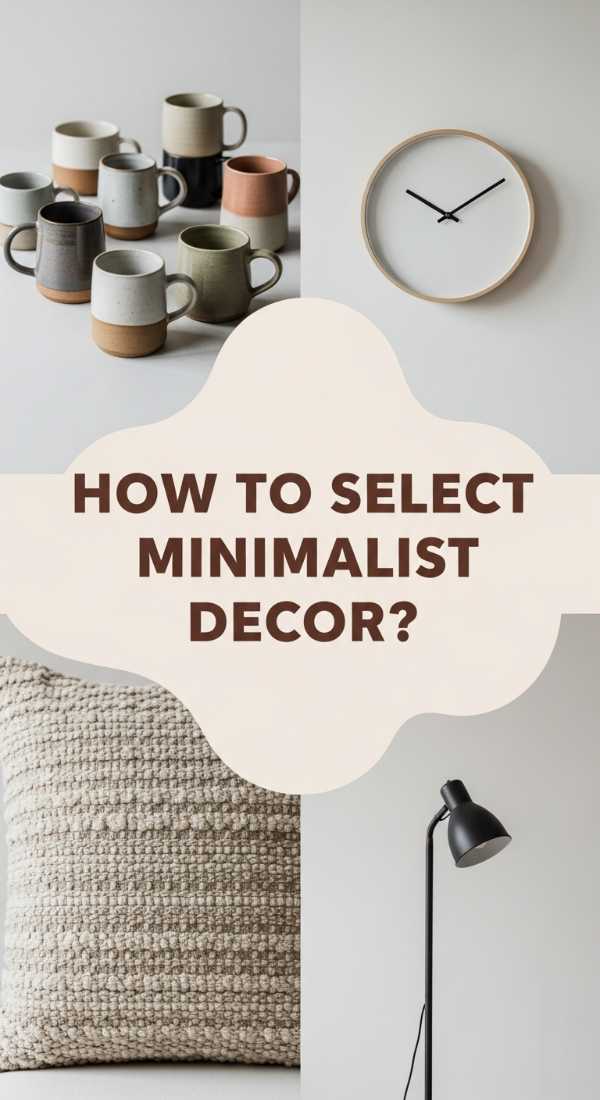
The perfect sanctuary is found in the delicate equilibrium between ‘stark’ and ‘stuffed.’ We love this balance because it uses the coolness of minimalism to highlight the warmth of hygge, like a soft wool blanket draped over a sleek, modern chair. The sensory experience is one of refined comfort—the crispness of a clean room softened by the glow of a fireplace or the plushness of a faux-fur rug. It is the ultimate expression of home as a place of healing and rejuvenation.
Essential Elements:
- Sleek architectural lines paired with soft textiles
- A neutral color palette with warm wood accents
- Natural elements like stone, wood, and clay
- Soft, indirect lighting layers
- Personal touches like framed travel photos in uniform frames
How to make it
- Establish the ‘minimalist frame’ first by choosing furniture with clean, straight lines and no ornate detailing.
- Introduce ‘hygge heat’ by layering textiles; use at least three different textures (e.g., knit, linen, and sheepskin) in the same color family.
- Adjust the ‘visual temperature’ by adding wooden elements; the grain of the wood adds organic ‘noise’ that softens the sterility of minimalist design.
- Balance the light by ensuring you have three sources: task lighting, ambient lighting, and ‘sparkle’ (candles or fairy lights).
- Test the ‘sanctuary level’ by sitting in each seat for 10 minutes; if it doesn’t feel supportive and cozy, adjust the cushion density or throw placement.
How to Select Room Decor Minimalist Essentials for Timeless Beauty
Why we love this
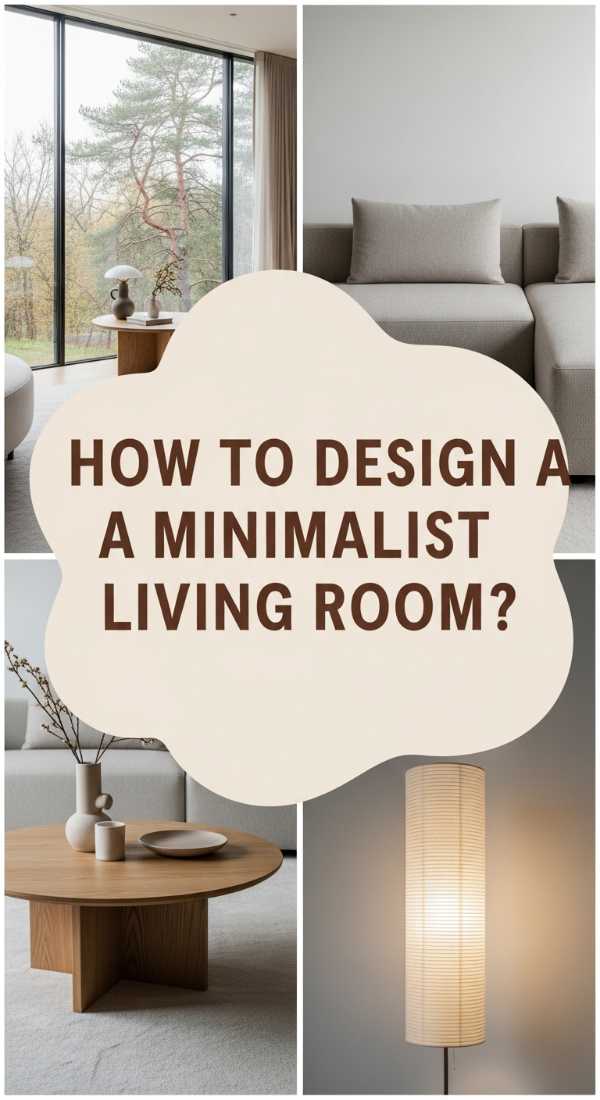
Timeless beauty isn’t about following trends; it’s about choosing pieces that will look as good in ten years as they do today. We love this because it’s a sustainable way to decorate, focusing on the craftsmanship of a hand-turned wooden bowl or the heavy drape of pure linen curtains. The feeling is one of quiet luxury, where the quality of the materials speaks louder than any flashy pattern. It’s an investment in your long-term peace and the aesthetic longevity of your home.
Essential Elements:
- Solid wood coffee or side tables
- Heavy-weight linen or velvet drapes
- Ceramic lamps with simple fabric shades
- Wool or silk rugs in muted tones
- Original art pieces on canvas or high-quality paper
How to make it
- Research materials before purchasing; aim for ‘raw’ finishes like unlacquered brass or oiled oak that develop a patina over time.
- Focus on ‘silhouette’—choose decor with classic shapes (circles, squares, cylinders) that bypass the ‘expiry date’ of trendy geometric fads.
- Set the ‘base color’ of the room to a warm off-white or light grey to serve as a timeless backdrop for any seasonal changes.
- Choose ‘anchor decor’—one or two high-quality items that dictate the room’s character, rather than ten cheaper ‘filler’ items.
- Verify ‘timelessness’ by asking if the item serves a function; if it is purely decorative and trendy, skip it to keep the space ‘pure.’
How to Design a Living Room Decor Minimalist Space for Pure Relaxation
Why we love this
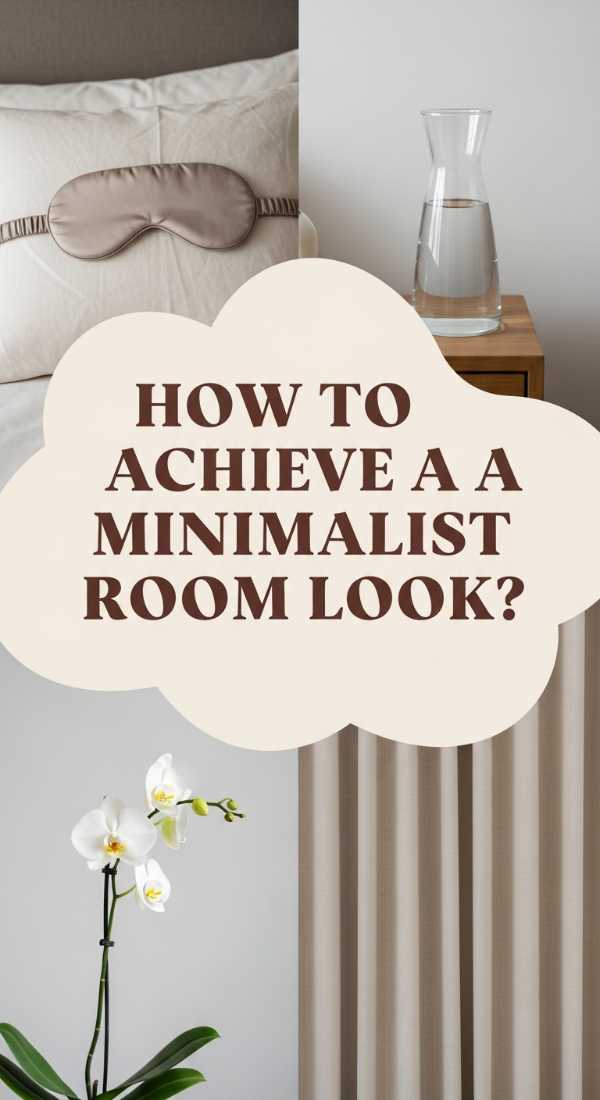
A room designed for relaxation should feel like an invitation to slow down and stay a while. We love this because it removes the visual ‘to-do list’ that clutter creates, replacing it with a serene landscape of soft tones and comfortable corners. The sound of a gentle breeze through a window and the sight of a single, well-placed plant create a meditative environment. It is a space that doesn’t demand anything from you, allowing you to recharge your internal batteries in complete comfort.
Essential Elements:
- Oversized, comfortable seating with clean lines
- Soft, dimmable floor lamps
- Natural fiber rugs (jute, sisal, or wool)
- A dedicated ‘technology-free’ corner
- Light-filtering window treatments
How to make it
- Identify the ‘relaxation focal point’—this could be a fireplace, a large window, or a bookshelf—and orient all furniture toward it.
- Optimize the ‘air quality’ by introducing one or two air-purifying plants like a Snake Plant or Peace Lily for a fresh, crisp atmosphere.
- Limit the ‘color noise’ by sticking to a palette of no more than three harmonious colors to keep the brain’s processing ‘heat’ low.
- Integrate ‘comfort layers’ by placing a basket of extra blankets within arm’s reach of the main seating area.
- Finalize the ‘relaxation prep’ by removing all visible clocks and tech chargers to encourage a timeless, disconnected experience.
How to Achieve a Minimalist Room Look for Quiet Elegance
Why we love this
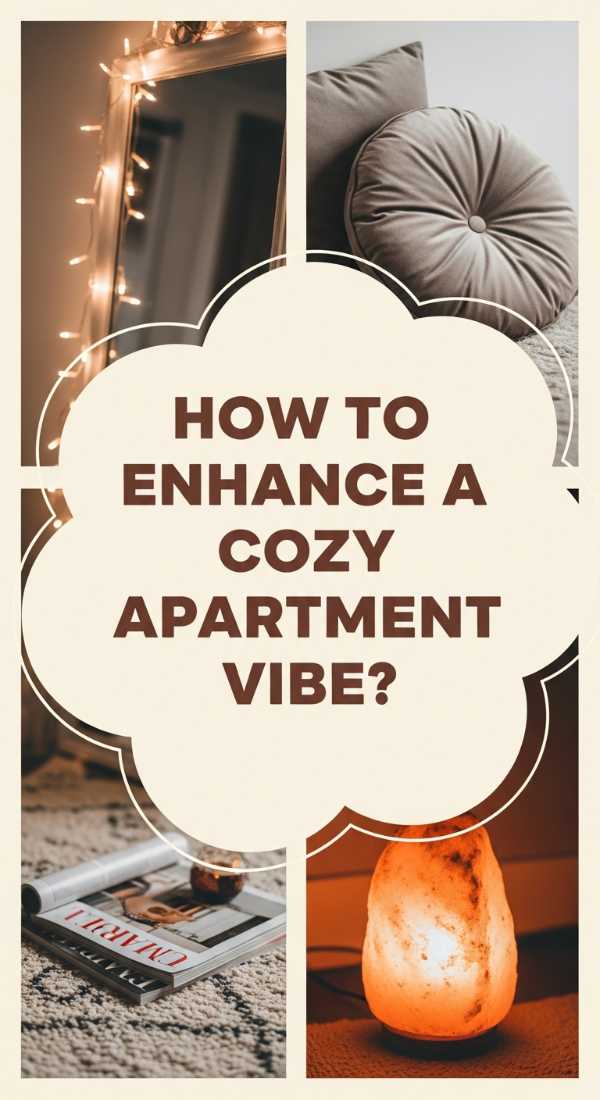
Quiet elegance is the pinnacle of the hygge-minimalist hybrid; it is sophisticated yet approachable. We love this look because it uses negative space as a design element, letting the air between furniture feel as important as the furniture itself. The touch of a cool marble coaster or the sight of a perfectly draped cashmere throw evokes a sense of high-end living without the pretension. It’s a way to live beautifully and simply, focusing on the ‘poetry’ of the space.
Essential Elements:
- Marble or stone accents (trays, coasters, table tops)
- High-quality textiles like cashmere and silk
- Monochromatic art with subtle texture
- Furniture with tapered legs to create a sense of ‘lift’
- Minimalist metallic accents in matte black or brushed gold
How to make it
- Adopt the ‘rule of thirds’ for furniture placement, ensuring that one-third of the room remains completely open to provide ‘visual breath.’
- Select ‘elevated’ materials; replace plastic or synthetic items with natural stone or metal to raise the room’s ‘finish quality.’
- Balance the ‘visual weight’ by pairing a heavy sofa with light, leggy armchairs to maintain an elegant, airy ‘simmer.’
- Use ‘hidden lighting’ techniques, such as LED strips behind a headboard or under a console, to create a glow without visible fixtures.
- Polish the look by ensuring all surfaces are dust-free; in a minimalist room, cleanliness is the final ‘seasoning’ that defines elegance.
How to Enhance a Small Living Room for a Dreamy Cozy Aesthetic
[IMAGE_10]
Why we love this
There is something undeniably dreamy about a small room that has been transformed into a cozy cocoon. We love this because it turns ‘small’ into ‘special,’ using light colors and soft textures to create a cloud-like atmosphere. The feeling is one of being tucked away from the world in a space that is perfectly scaled to your needs. With the right lighting and a few plush layers, a tiny living room becomes the most coveted spot in the house for dreaming and reflecting.
Essential Elements:
- Cream or pearl-colored furniture
- Fairy lights or small hurricane lanterns
- Wall-mounted mirrors with thin frames
- Floating shelves for a ‘weightless’ display
- Sheer, billowy curtains that catch the light
How to make it
- Paint the walls and ceiling the same light color to ‘blur’ the edges of the room, creating a seamless, dreamy ‘base.’
- Layer ‘visual heat’ with different light sources at varying heights—a table lamp, a floor lamp, and a candle—to create depth.
- Use ‘up-lighting’ behind furniture to push the walls back and make the ceiling feel higher than it actually is.
- Keep the floor as clear as possible; use wall-mounted storage to ‘lift’ the room’s contents and create a sense of floating.
- Add a ‘dreamy finish’ with a single high-pile rug that covers most of the floor area, providing a soft, cloud-like surface for your feet.
The Final Exhale: Embracing the Hygge Life
As you transition your home into a hygge-minimalist sanctuary, remember that this journey is personal. There is no ‘perfect’ way to do it, only the way that makes you feel most at peace. By focusing on quality, texture, and light, you aren’t just decorating a room; you are creating a container for a more intentional life. Let your home be the place where the world slows down, where the coffee tastes better, and where you can finally, truly, breathe.