
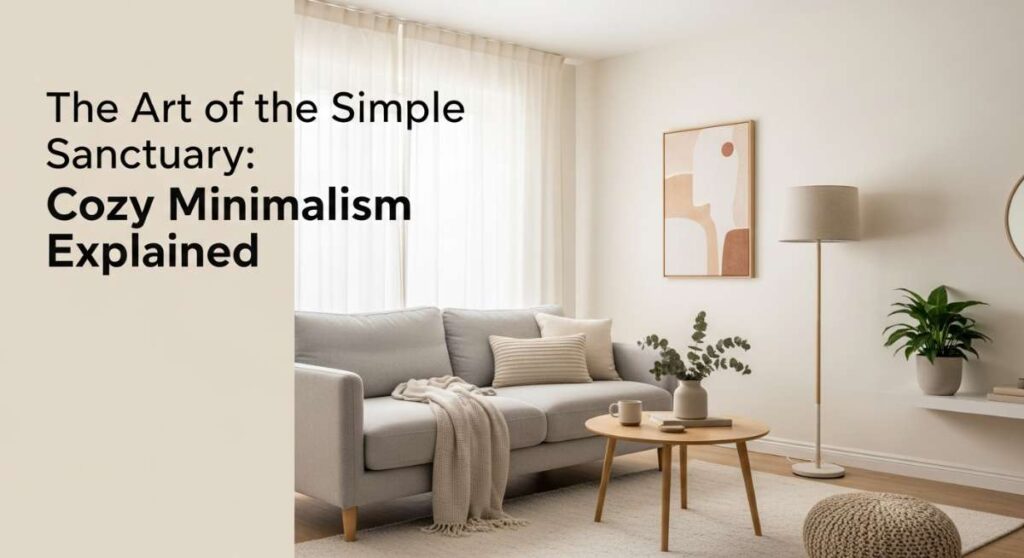
The Art of the Simple Sanctuary: Cozy Minimalism Explained
Have you ever walked into a room and felt an immediate weight lift off your shoulders? That instant sigh of relief isn’t an accident; it’s the result of a space designed to breathe. In a world that constantly demands our attention, our homes should be the ultimate counter-narrative—a soft place to land where the ‘noise’ of clutter is replaced by the ‘melody’ of intentional living.
Cozy minimalism isn’t about living in a cold, empty white box. It’s about the intersection of functionality and soul. It’s about keeping the things that serve a purpose or spark genuine joy, then wrapping those items in textures and light that make you want to curl up with a book and stay a while. Let’s dive into how you can transform your living space into a breathable, beautiful sanctuary.
How to Style a Small Apartment for Maximum Cozy Aesthetic
Why we love this
We adore this approach because it proves that square footage has nothing to do with the depth of comfort. There is a specific, tactile magic in a small apartment that utilizes warm wood tones, the scent of a vanilla-sandalwood candle, and the plush touch of a high-pile rug underfoot. When every corner is curated, the space feels like a warm hug rather than a cramped box, allowing you to savor the intimacy of your surroundings while maintaining a sense of airy sophistication.
Essential Elements:
- Sheer linen curtains for diffused natural light.
- Multifunctional furniture (like an ottoman with hidden storage).
- A cohesive neutral color palette with warm undertones.
- Textured wall hangings or mirrors to create depth.
- Potted greenery to bring the outside in.
How to make it
- Assess your floor plan to identify ‘dead zones’ and focal points, ensuring that walkways are kept clear to maintain a visual sense of space.
- Select a primary neutral base color (like oatmeal or soft cream) and apply it to large furniture pieces to prevent the room from feeling fragmented.
- Layer in textures by placing a soft, woven throw over a structured chair; this creates a ‘high-low’ contrast that adds visual interest without physical bulk.
- Incorporate vertical storage solutions, such as floating shelves, keeping items sparse and intentional to allow the walls to ‘breathe.’
- Fine-tune the lighting by adding a warm-toned floor lamp in a corner, which draws the eye upward and softens the shadows that often make small rooms feel dark.
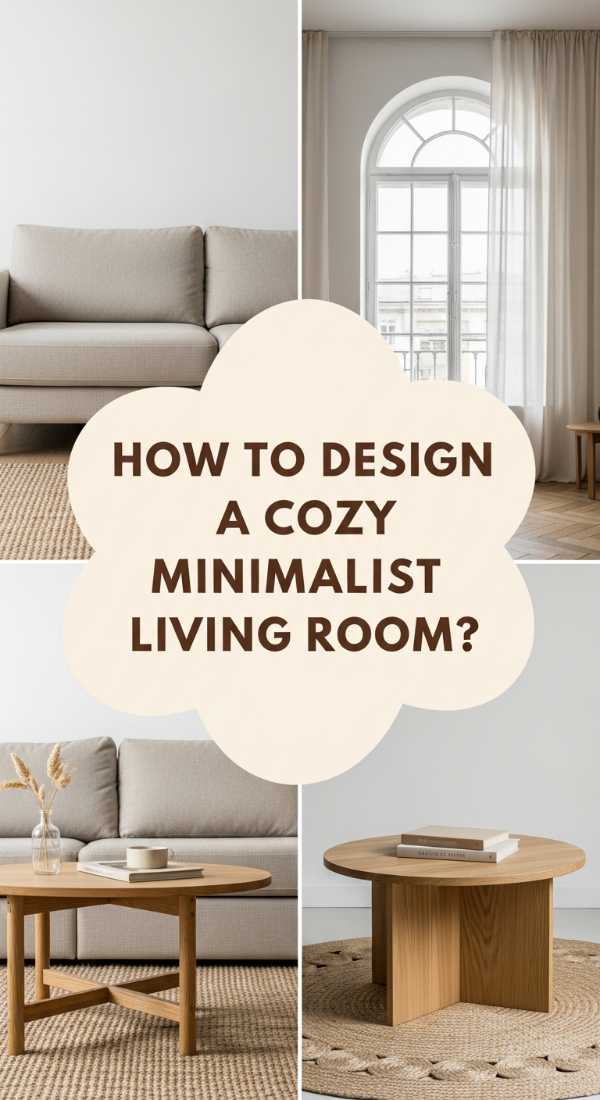
How to Design a Cozy Minimalist Living Room for Ultimate Relaxation
Why we love this
This design style is the ultimate antidote to a busy workday. Imagine the feeling of sinking into a sofa that isn’t buried under a dozen unnecessary pillows, but instead features one perfect, velvet cushion. The air feels lighter, and the visual harmony of clean lines mixed with organic materials creates a sensory ‘quiet’ that allows your brain to finally switch off. It’s about the luxury of space and the indulgence of high-quality materials that feel wonderful against the skin.
Essential Elements:
- A low-profile, deep-seated sofa in a durable fabric.
- Natural wood coffee table with soft, rounded edges.
- Dimmable ambient lighting.
- A single, large-scale piece of abstract art.
- A high-quality wool or jute rug.
How to make it
- Start with a ‘clear-slate’ decluttering phase, removing everything from the room except the essential seating to reset your perspective on the space.
- Position your largest furniture piece toward the most natural light source, creating an inviting ‘sun-trap’ for morning coffee or afternoon reading.
- Choose a rug that is large enough for all furniture legs to sit on; this ‘grounds’ the room and prevents the disjointed feeling of floating furniture.
- Apply the ‘Rule of Three’ when decorating surfaces—pair one organic item (like a plant) with one linear item (a book) and one textural item (a ceramic bowl).
- Install warm-toned smart bulbs that can be dimmed to a soft amber glow in the evening, mimicking the calming effect of sunset within your four walls.
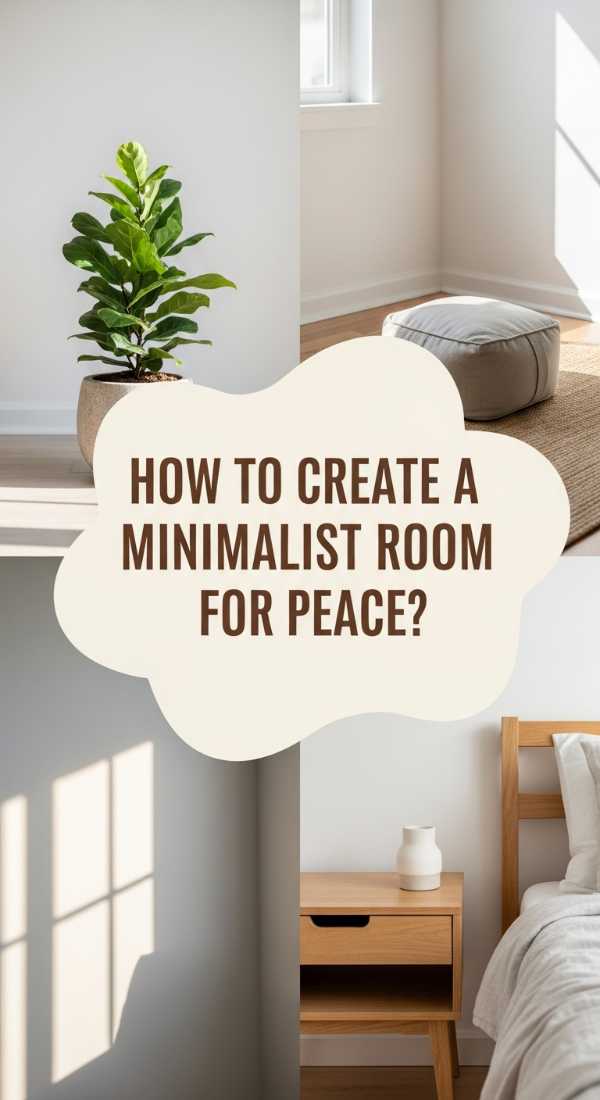
How to Create a Minimalist Room for Inner Peace

Why we love this
Creating a room dedicated to inner peace is like building a physical manifestation of a deep breath. We love the way minimalist design strips away the distractions, leaving only the essentials that promote stillness—the smooth grain of a meditation stool, the subtle aroma of essential oils, and the soft play of shadows on a bare wall. It is a sensory sanctuary where the lack of ‘stuff’ creates an abundance of mental clarity and emotional resilience.
Essential Elements:
- A dedicated corner or nook free from electronics.
- Floor cushions or a comfortable meditation mat.
- Natural light control (shutter or heavy drapes).
- A small water feature or white noise machine.
- Subtle aromatherapy (diffuser or incense).
How to make it
- Select a room or a specific corner that is furthest from the high-traffic areas of the home to ensure physical and acoustic privacy.
- Strip the walls of busy patterns or bright colors, opting for a ‘muted’ palette of sage green, soft grey, or warm white to lower visual stimulation.
- Arrange seating or mats to face a window or a simple focal point, like a single plant, to encourage outward-looking reflection.
- Introduce a ‘low-tech’ rule for this space—no phones, tablets, or televisions—to break the cycle of constant digital consumption.
- Incorporate elements of ‘Biophilia’ by adding a single, easy-to-maintain plant like a Snake Plant or Peace Lily to purify the air and provide a living connection to nature.
How to Curate Minimalist Room Decor for a Breathable Home

Why we love this
There is a profound beauty in curation over collection. We love this method because it turns your home into a gallery of your own life, where every object tells a story without shouting. The texture of a handmade ceramic vase, the weight of a linen curtain, and the ‘negative space’ between objects create a rhythm that feels sophisticated yet lived-in. It’s about the tactile satisfaction of touching surfaces that aren’t dusty or cluttered, but clean and intentionally placed.
Essential Elements:
- Ceramic vessels in organic shapes.
- Linen or cotton textiles in varied weaves.
- Single-stem botanicals (like dried eucalyptus).
- Books with neutral spines or covers.
- Functional decor like high-end trays or bowls.
How to make it
- Audit your current decor and group items by material; keep only those that feel ‘high-quality’ and discard or donate plastic or mass-produced trinkets.
- Utilize ‘Negative Space’—for every decorated surface, leave at least 40% of the area empty to allow the eye to rest and the air to circulate.
- Style your shelving using the ‘Staircase Method,’ placing taller items at the back and shorter, more textural items at the front to create a sense of curated depth.
- Swap out mismatched hardware for sleek, uniform pulls in matte black or brushed brass to create a cohesive ‘designer’ look with minimal effort.
- Focus on ‘Tactile Transitions’—where a hard wooden table meets a soft fabric runner, ensure the transition is clean and the colors are complementary.
How to Master Minimalist Cozy Living for a Stress Free Life

Why we love this
Mastering this lifestyle is about more than just aesthetics; it’s about reclaiming your time. We love the way a minimalist home reduces the ‘mental load’ of cleaning and organizing, allowing more room for morning rituals and evening wind-downs. The aroma of freshly brewed tea in a clutter-free kitchen or the feeling of cool cotton sheets in a simplified bedroom creates a baseline of calm that carries over into every other aspect of your life, making stress feel like a distant memory.
Essential Elements:
- Closed storage solutions to hide daily necessities.
- High-quality, long-lasting basics (bedding, towels).
- A morning ritual station (coffee/tea nook).
- Natural cleaning supplies in glass bottles.
- A ‘one-in, one-out’ rule for new purchases.
How to make it
- Identify ‘Stress Triggers’—usually areas like the entryway or junk drawer—and implement strict organizational systems using baskets or dividers.
- Invest in ‘Sensory Anchors’—one high-quality candle or a specific playlist—that you use only when it’s time to relax, training your brain to decompress.
- Establish a ‘Daily Reset’ routine where you spend 10 minutes every evening returning items to their designated ‘homes’ to ensure you wake up to a clean slate.
- Simplify your color story throughout the house to 3-4 core shades, creating a visual flow that makes the entire home feel like one unified, peaceful unit.
- Prioritize quality over quantity in your ‘high-touch’ items, such as buying the best pillows you can afford to ensure your sleep is as restorative as possible.
How to Achieve Living Room Decor Minimalist Style for Tiny Homes

Why we love this
Tiny homes offer a unique opportunity to perfect the art of ‘essentialism.’ We love the challenge of making a small footprint feel grand through smart design. The scent of cedarwood from a small side table and the visual lightness of ‘leggy’ furniture (which shows more floor) make a tiny living room feel expansive. It’s about the joy of knowing exactly where everything is and the cozy, cabin-like feel of a space that is perfectly tailored to your body and your needs.
Essential Elements:
- Wall-mounted lighting to save floor space.
- Mirrors placed opposite windows to double the light.
- Furniture with exposed legs (creates visual flow).
- Light-colored wood finishes (birch, ash, or pine).
- Vertical greenery (hanging plants).
How to make it
- Focus on ‘Visual Weight’—choose furniture that is physically sturdy but visually light, such as a glass-topped coffee table or chairs with slender frames.
- Utilize ‘Translucent Textures’—opt for sheer fabrics and semi-transparent materials that provide comfort without blocking the line of sight across the room.
- Incorporate ‘Nesting’ furniture, like tables that slide under one another, allowing you to expand your surfaces only when you have guests.
- Paint the walls and the ceiling the same light color to blur the boundaries of the room, making the ceiling feel higher and the walls further apart.
- Add one ‘Hero Piece’—a large, cozy rug or a beautiful light fixture—to give the room a sense of scale and luxury despite its small size.
How to Elevate Your Minimalist Home for a High End Feel
Why we love this
Minimalism doesn’t have to be ‘cheap’ or ‘basic’; it can be incredibly opulent. We love the way high-end minimalism focuses on the ‘soul’ of materials—the cold touch of real marble, the warmth of solid oak, and the weight of heavy brass. When you have fewer things, the things you do have can be exceptional. This creates a home that feels like a boutique hotel—curated, expensive, and deeply relaxing, where every sense is catered to by the quality of the environment.
Essential Elements:
- Statement lighting fixtures (architectural or oversized).
- Natural stone accents (marble, travertine, or slate).
- Velvet or heavy linen upholstery.
- Oversized, professional-grade art framing.
- Custom-built integrated storage.
How to make it
- Upgrade your ‘Touchpoints’—replace standard light switches with dimmers and standard door handles with solid metal versions for a tactile sense of quality.
- Focus on ‘Scale’—instead of many small items, choose one massive, high-quality piece (like a 7-foot tall plant or a giant floor mirror) to anchor the room.
- Layer light levels—incorporate ‘Task, Ambient, and Accent’ lighting to create a complex, warm atmosphere that highlights architectural details.
- Introduce ‘Organic Irregularity’—balance perfect, clean lines with a raw-edge wood table or a hand-knotted rug to add the ‘human touch’ of high-end design.
- Keep surfaces almost entirely clear, save for one or two ‘Museum Quality’ objects that serve as conversation starters and focal points.
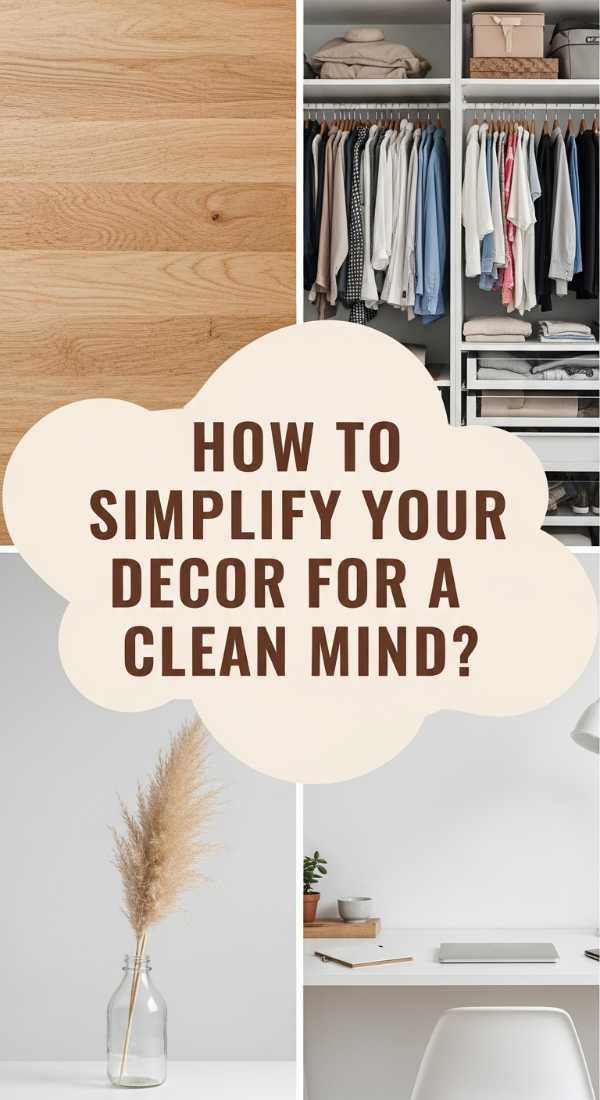
How to Simplify Decor Minimalist Elements for a Clean Mindset
Why we love this
This approach is about the psychology of space. We love how simplifying your decor directly impacts your ability to focus and dream. The feeling of a smooth, clear desk or the sight of a single, beautiful branch in a vase creates a ‘mental white space’ that is essential for creativity. It’s the sensory delight of ‘less’—where the absence of clutter allows the presence of your own thoughts to become the most important thing in the room.
Essential Elements:
- Concealed cable management systems.
- Neutral, matte finishes on all surfaces.
- Uniform storage containers (all glass or all wood).
- Symmetrical furniture arrangements.
- A ‘low-contrast’ color palette.
How to make it
- Conduct a ‘Visual Noise’ audit—stand in the doorway of each room and identify any item that draws the eye in a negative way (like messy cords or bright labels).
- Implement ‘Hidden Systems’—use opaque baskets inside cabinets to organize the things you need but don’t want to see, maintaining a clean exterior appearance.
- Choose ‘Matte’ over ‘Gloss’—matte finishes absorb light and feel softer and more calming to the eye than reflective, high-shine surfaces.
- Practice ‘Intentional Grouping’—if you have a collection, display only three items at a time and rotate them monthly to keep the space fresh and uncluttered.
- Establish a ‘Paper-Free’ zone—create a system for mail and documents that keeps them out of sight and off horizontal surfaces immediately.
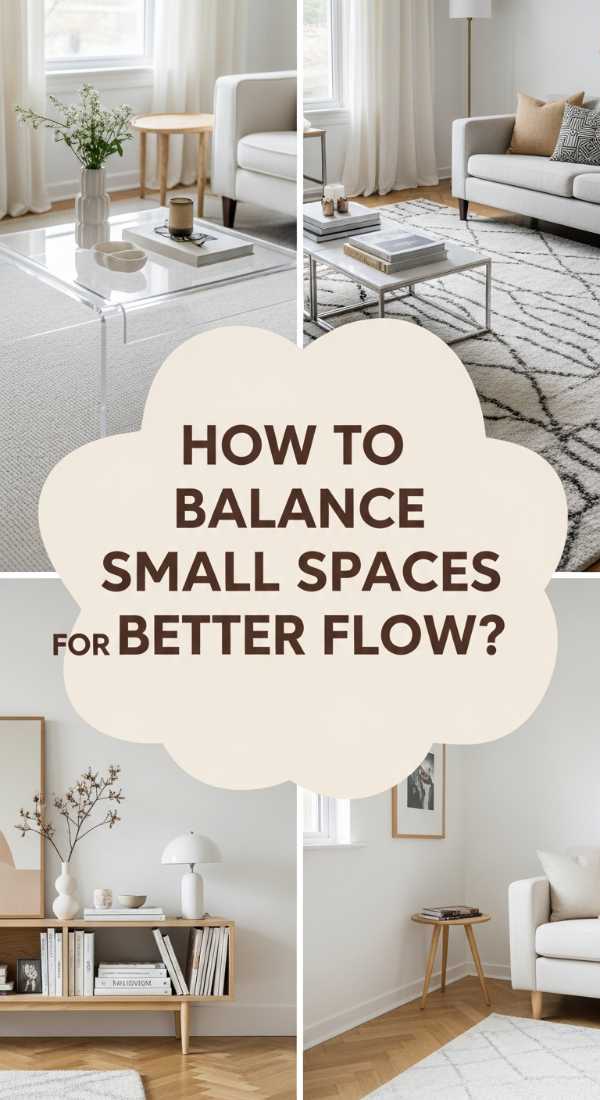
How to Balance Minimalist Living Room Small Spaces for Better Flow
Why we love this
Flow is the ‘hidden’ element of a cozy home. We love this because it focuses on movement—the way you walk from the kitchen to the sofa without bumping into a corner. When a small space is balanced, it feels rhythmic and easy. The smell of fresh air from an unblocked window and the clear pathways create a sense of freedom that makes even the tiniest living room feel like a wide-open sanctuary where you can move and breathe with ease.
Essential Elements:
- Furniture with ’rounded’ corners for safety and flow.
- Low-height furniture to keep sightlines open.
- Area rugs that define ‘zones’ without walls.
- Strategic mirror placement to ‘extend’ walkways.
- A focal point that is not the television.
How to make it
- Map your ‘Natural Pathways’—watch how you naturally move through the room and move any furniture that acts as a ‘stumbling block’ or obstacle.
- Apply the ’60-30-10′ Rule—60% of the room should be your main color, 30% a secondary texture, and 10% an accent color to ensure visual balance.
- Create ‘Zoning’ using rugs—place a circular rug under a reading chair to create a ‘room within a room’ without using physical dividers that block flow.
- Use ‘Floating’ furniture—mounting a media console to the wall instead of having it on the floor creates an unbroken line of sight that makes the floor feel larger.
- Ensure each ‘Zone’ has its own light source, allowing you to change the ‘flow’ of the room based on the time of day and your specific activity.
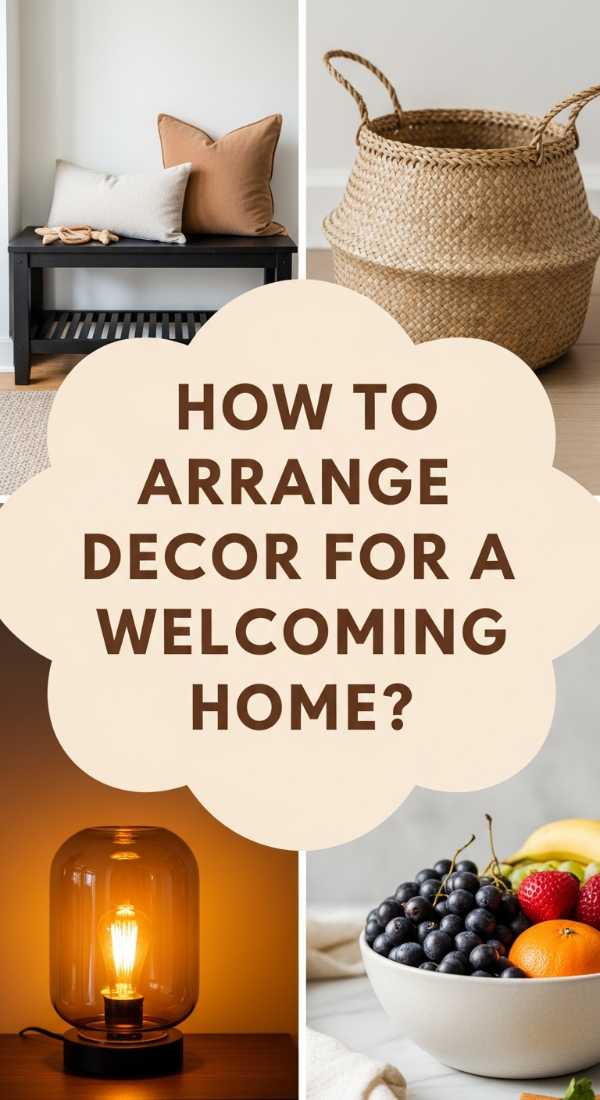
How to Arrange Minimalist Room Decor for a Welcoming Atmosphere
[IMAGE_10]
Why we love this
Minimalism can sometimes feel ‘cold,’ but this technique ensures it feels deeply welcoming. We love the combination of ‘clean’ and ‘inviting’—where a minimalist room greets you with a soft, warm glow and the promise of comfort. It’s about the subtle touch of a cashmere throw, the inviting flicker of a candle, and an arrangement that says, ‘sit down, stay a while.’ It’s the perfect blend of order and hospitality that makes guests (and you!) feel immediately at home.
Essential Elements:
- Warm, ambient lighting (lamps over overhead lights).
- Scented elements (diffusers or dried flowers).
- Layered textiles (rugs, throws, and cushions).
- Personal touches (one or two framed photos).
- Comfortable seating arranged for conversation.
How to make it
- Arrange seating in a ‘U-shape’ or ‘Circle’ rather than facing a screen to prioritize human connection and conversation as the room’s main purpose.
- Focus on ‘Warmth’ through light—use lamps with fabric shades that diffuse light warmly, rather than bare bulbs or cold LED strips.
- Introduce ‘Layered Softness’—place a sheepskin or faux-fur throw over a leather chair to bridge the gap between ‘sleek minimalist’ and ‘cozy sanctuary.’
- Include a ‘Hospitality Station’—a simple tray with a carafe of water and clean glasses makes a room feel immediately prepared for a guest’s comfort.
- Use ‘Scent as Decor’—choose a signature home fragrance that is subtle and natural, like cedar or bergamot, to create an invisible layer of welcome the moment you enter.
Creating Your Forever Sanctuary
In the end, cozy minimalism isn’t a set of rigid rules; it’s a way of treating your home with the same kindness you show yourself. It is the art of curating a life that is intentional, beautiful, and deeply restorative. By choosing quality over quantity and comfort over clutter, you aren’t just decorating a room—you’re building a foundation for a more peaceful, present life. Go ahead, clear that surface, light that candle, and breathe in the beauty of your simple sanctuary.