

The Enchanted Patio: Easy DIY Accents for a Magical Outdoor Space
There is a specific kind of magic that happens just as the sun begins to dip below the horizon, casting a golden, syrupy glow over the backyard. For years, my patio was just a slab of concrete and a few lonely folding chairs, a place where we stored the lawnmower rather than a place where we made memories. But I realized that our outdoor spaces shouldn’t just be an afterthought; they should be an extension of our souls, a place to breathe deep and reconnect with the whimsical side of life we often lose in the daily grind.
Transforming your garden doesn’t require a professional landscape crew or a massive budget. It’s about the small, intentional details—the crunch of gravel underfoot, the soft flicker of a solar lantern tucked into a fern, and the playful surprise of a handmade ornament. In this guide, I’m sharing my favorite ways to infuse your patio with personality and charm, turning every corner into a story waiting to be told. Let’s roll up our sleeves and sprinkle some stardust on your garden.
How to Create Enchanting Mushroom Nooks for Magical Outdoor Vibes

Why we love this
There is something inherently nostalgic and comforting about the sight of a tiny mushroom cluster peeking out from a bed of emerald moss. This DIY project brings a touch of forest folklore right to your doorstep, combining the damp, earthy scent of fresh mulch with the vibrant, glossy textures of hand-painted ceramics. When the morning dew settles on these little caps, they catch the light in a way that feels genuinely supernatural, offering a quiet, whimsical focal point that invites you to slow down and look closer at the world beneath your feet.
Essential Elements:
- Terracotta pots or wooden logs of varying heights
- Smooth river stones or wooden salad bowls (for the caps)
- Weather-resistant outdoor acrylic paint (red, white, and earth tones)
- High-gloss outdoor sealant
- Industrial strength waterproof adhesive
- Live sheet moss or preserved reindeer moss
How to make it
- Begin by selecting your base; if using terracotta pots, flip them upside down and scrub them clean to ensure the adhesive bonds properly. For a more rustic look, use birch logs cut to 6-inch and 10-inch lengths, ensuring the top surface is sanded flat and level.
- Prepare your mushroom caps by painting the convex side of your wooden bowls or river stones with two thick coats of crimson or forest green paint. Allow each coat to dry for at least 45 minutes in a low-humidity environment; you will know it is ready when the surface is no longer tacky to the touch.
- Using a small round brush, add whimsical white dots of varying sizes to the caps. For a professional look, vary the spacing—some dots should be clustered while others stand alone. Wait for these to cure completely, which usually takes about 2 hours depending on the ambient temperature.
- Apply a generous bead of industrial adhesive to the top rim of your base (the pot or log). Press the painted cap firmly onto the center, holding it for 60 seconds to ensure a secure initial set. Allow the structure to cure undisturbed for 24 hours in a dry, ventilated area.
- Once fully cured, apply a heavy-duty gloss sealant over the entire mushroom to protect it from UV rays and moisture. Finally, nestle your mushrooms into a shaded corner of your garden and tuck fresh moss around the base to create a seamless, organic transition into the landscape.
How to Design a Country Garden Sanctuary for Ultimate Peace

Why we love this
A country garden sanctuary is less about rigid lines and more about the soft, billowing romance of nature unfolding at its own pace. Imagine the scent of lavender and heirloom roses wafting through the air on a warm breeze, accompanied by the gentle chime of a distant windbell. This aesthetic relies on tactile softness—weathered wood, frayed linen, and the rhythmic sound of water—to create an atmosphere where the heart rate slows and the mind finally finds a moment of stillness amidst the lush, green surroundings.
Essential Elements:
- Vintage-inspired wrought iron or cedar bench
- Climbing plants (Clematis or Honeysuckle)
- Gravel or reclaimed brick for a meandering path
- Weathered wooden crates for tiered planting
- Soft outdoor textiles in muted sage or dusty rose
How to make it
- Start by defining the boundary of your sanctuary using a curved path layout rather than straight lines; use a garden hose to map out a gentle ‘S’ curve and dig out 2 inches of soil before filling it with crushed pea gravel or irregular flagstone.
- Install a sturdy trellis or arbor at the entrance of the space. Plant your climbers at the base, ensuring you tease the roots gently before burying them 4 inches deep. Visual cue: the soil should be damp but not muddy, and the plant should sit level with the ground surface.
- Place your primary seating at the end of the path, ideally tucked against a backdrop of tall shrubs or a fence to create a ‘cocoon’ effect. Ensure the seating is level by using a spirit level on the bench seat; if it’s uneven, shim the legs with flat stones.
- Layer your textures by adding weather-resistant cushions and a lightweight throw. Choose fabrics with a high UV rating to prevent fading. Arrange the textiles so they look lived-in, not stiff, inviting immediate relaxation.
- Incorporate a small water feature, like a solar-powered fountain in a stone basin. Position it so the sound of trickling water reaches the seating area. Monitor the water level daily during the first week; the pump should be fully submerged to avoid motor burnout, which is signaled by a rhythmic humming sound.
How to Build Custom Garden Projects for Personalized Outdoor Charm

Why we love this
Custom garden projects are the secret sauce of a truly unique outdoor space because they tell the story of the maker. There is a deep, tactile satisfaction in running your hand over a piece of wood you’ve sanded yourself or seeing a structure you built standing strong against the elements. These projects add structural integrity and a sense of permanence to the garden, providing a sturdy framework for delicate vines to cling to and creating architectural interest that looks beautiful even in the stark quiet of winter.
Essential Elements:
- Pressure-treated lumber or cedar planks
- Galvanized wood screws (rust-resistant)
- Electric drill and miter saw
- Exterior wood stain or tinted oil
- Heavy-duty landscape fabric
How to make it
- Measure your space twice to ensure your custom planter or bench fits the scale of your patio. Cut your lumber using a miter saw, ensuring all edges are square (90 degrees). Tip: Use a medium-grit sandpaper (120 grit) to smooth out any splinters or rough saw marks before assembly.
- Pre-drill your pilot holes to prevent the wood from splitting, especially when working with cedar. Your drill bit should be slightly smaller than the diameter of your screws. Use a high-torque setting on your drill for a firm, flush finish.
- Assemble the frame on a flat surface like a garage floor to ensure it doesn’t warp. For a planter box, line the interior with heavy-duty landscape fabric, stapling it every 3 inches. This allows for drainage while preventing the soil from rotting the wood from the inside out.
- Apply a high-quality exterior stain using a wide brush, following the grain of the wood. Work in sections to avoid lap marks. The stain is ‘done’ when the wood no longer absorbs the liquid and the color appears uniform across the surface.
- Set your project in its permanent location. If it’s a heavy structure, use leveling blocks underneath. Fill your planter with a mix of potting soil and compost, leaving 2 inches of space at the top to prevent overflow during heavy rains.
How to Craft Whimsical Mushroom Decor for a Fairy Tale Backyard
Why we love this
Whimsical mushroom decor serves as a bridge between the real world and a storybook fantasy, making your backyard feel like a place where fairies might actually reside. We love the pop of saturated color against the natural browns and greens of the garden, and the way these playful accents can instantly lighten the mood of a space. The smooth, domed surfaces and the contrast of bright white spots create a visual rhythm that draws the eye through the garden, sparking joy in children and adults alike.
Essential Elements:
- Round concrete stepping stones or wooden discs
- Thick branches or PVC pipe (for stems)
- Quick-dry concrete mix (optional for custom shapes)
- Outdoor enamel paints in neon and pastel shades
- Polyurethane spray sealer
How to make it
- To create the mushroom ‘cap,’ you can either use a pre-cast concrete stone or mold your own using a plastic bowl as a form. If molding, mix your concrete to a ‘peanut butter’ consistency and let it cure in the bowl for 24-48 hours until it feels cold and hard to the touch.
- Once the cap is de-molded, sand the edges to remove any sharp burrs. Wipe away dust with a damp cloth. Paint the entire cap in a bold, storybook color like cobalt blue or neon pink using a foam brush for a smooth, bubble-free finish.
- Apply two coats of paint, allowing 30 minutes of drying time between each. For the white spots, use a circular sponge pouncer to get perfectly round shapes. Press down firmly and lift straight up to avoid smudging the edges.
- For the stem, use a thick, sturdy branch. Drill a hole into the underside of the cap and the top of the stem, then join them with a long lag bolt and waterproof wood glue. Ensure the stem is at least 4 inches into the ground for stability.
- Finish with three coats of polyurethane spray sealer, allowing each coat to dry for 1 hour. This creates a hard, shell-like finish that will withstand rain and snow. Place them in clusters of three or five to mimic natural growth patterns.
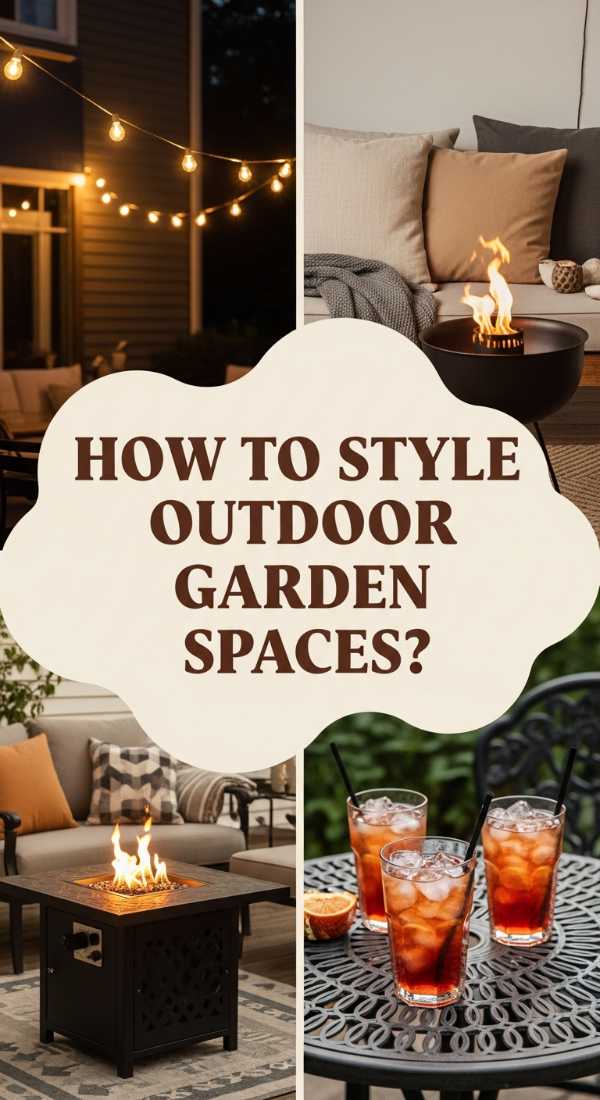
How to Style Outdoor Garden Spaces for Relaxing Summer Evenings

Why we love this
Summer evenings are the reward for all our hard garden work, and styling these spaces is about maximizing comfort while the air is thick with the scent of jasmine and the sound of crickets. We love the transformation of a daytime work zone into a nighttime oasis through the clever use of soft lighting and plush textures. It’s about creating a ‘room without walls’ where the flickering glow of a fire pit reflects in the glass of a cold drink, making every evening feel like a mini-vacation in your own backyard.
Essential Elements:
- String lights (Edison bulbs or fairy lights)
- Outdoor area rug (polypropylene for durability)
- Citronella candles in decorative jars
- Low-profile coffee table or ottoman
- Potted palms or tall grasses for privacy
How to make it
- Define the ‘living area’ by laying down an outdoor rug. Ensure it is large enough that all furniture legs sit on the rug, which anchors the space visually. Sweep the patio thoroughly before laying to prevent bumps or trapped moisture.
- Hang string lights in a ‘zigzag’ pattern across the seating area. Use guide wires if the span is longer than 10 feet to prevent sagging. The lights should be high enough to clear heads but low enough to provide a warm, intimate glow.
- Arrange your seating in a conversational circle. If you have a fire pit, place it at the center, maintaining at least 3 feet of clearance from any flammable materials or furniture. Check that the seating is stable on the rug surface.
- Place tall potted plants like Areca palms or Maidenhair grass around the perimeter of the rug. This creates a ‘green wall’ that provides privacy and dampens neighborhood noise. Visual cue: the plants should be tall enough to block the line of sight when you are seated.
- Scatter citronella candles and lanterns of varying heights on the coffee table and side tables. Light them 15 minutes before you plan to sit outside to allow the scent to disperse and create a bug-free zone.
How to Arrange Artistic Garden Accents for a High End Look

Why we love this
Artistic garden accents elevate a simple backyard into a curated gallery, bringing a sense of sophistication and intention to the landscape. We love the play of light on metallic surfaces, the stark contrast of a modern sculpture against soft foliage, and the way a well-placed focal point can make a small garden feel much larger. It’s about finding that perfect balance between nature’s chaos and human creativity, resulting in a space that feels both grounded and incredibly polished.
Essential Elements:
- Stone or metal sculptures
- Large-scale ceramic urns
- Framed outdoor mirrors
- Architectural plants (like Agave or Boxwood)
- Spotlight or up-lighting fixtures
How to make it
- Identify your primary focal point. This should be a high-quality piece, like a large stone urn or a metal sphere, placed at the end of a sightline (like through a window or doorway). Use the ‘Rule of Thirds’—place it slightly off-center for a more dynamic look.
- Install up-lighting at the base of your artistic accents. Position the light 6 inches away from the object, angled upward at 45 degrees. This creates dramatic shadows and highlights the texture of the material after dark.
- Hang an outdoor-rated mirror on a fence or wall. This trick doubles the perceived amount of greenery and reflects light into darker corners. Ensure it is secured with heavy-duty anchors to withstand wind gusts.
- Surround your sculptures with low-growing, uniform plants like Mondo grass or silver dichondra. This creates a clean ‘frame’ for the art, preventing the surrounding foliage from making the space look cluttered or overgrown.
- Group smaller accents in odd numbers (threes or fives) and vary their heights. For example, place a tall ceramic birdbath next to two smaller stone orbs. This creates visual interest and keeps the eye moving throughout the display.
How to Make Sustainable Garden Decor for an Eco Friendly Haven

Why we love this
Sustainable decor is the ultimate way to honor the earth that hosts our gardens, turning ‘trash’ into treasures that are as beautiful as they are kind to the planet. We love the rustic, weathered charm of upcycled materials—the patina on an old tin can or the story behind a piece of driftwood found on a beach. It’s a guilt-free way to decorate that fosters a deeper connection to the environment, proving that luxury and eco-consciousness can live in perfect harmony right in our own backyards.
Essential Elements:
- Upcycled containers (old boots, tin cans, wooden crates)
- Natural twine or hemp rope
- Native wildflower seeds
- Solar-powered lighting components
- Organic peat-free potting mix
How to make it
- Collect vintage tin cans or glass jars and thoroughly clean them with hot, soapy water. If using metal, drill three 1/4-inch drainage holes in the bottom. For a rustic look, allow the metal to develop a natural rust patina by spraying it with a vinegar-salt solution.
- Create hanging planters by wrapping the rim of the jars with thick hemp rope, securing it with a series of square knots. Ensure the knots are tight; test by pulling firmly—if the jar shifts, re-tighten. The rope should feel rough and sturdy.
- Fill your containers with organic, peat-free potting soil. Plant native seeds that attract pollinators like bees and butterflies. Water them gently using a spray bottle until the soil feels like a damp sponge.
- Integrate solar-powered components into your upcycled decor. For example, place a solar light string inside a frosted glass bottle to create a sustainable lantern that charges during the day and glows automatically at dusk.
- Avoid chemical finishes. Use beeswax or linseed oil to protect wooden elements. Apply with a lint-free cloth and buff until the wood has a soft, natural sheen. This is ‘done’ when the wood feels smooth and no longer absorbs the oil.
How to Curate Country Garden Elements for a Rustic Homestead Feel

Why we love this
The rustic homestead look is all about functional beauty and the feeling of a life well-lived. It celebrates the imperfections of galvanized steel, the sturdy reliability of a well-worn wheelbarrow, and the abundance of a kitchen herb garden. We love this style because it feels unpretentious and welcoming, like a warm hug from the past. It’s the smell of rosemary and thyme mixing with the scent of sun-warmed wood, creating a space that is as much about nourishing the body as it is about delighting the eyes.
Essential Elements:
- Galvanized metal buckets and wash tubs
- Wooden ladders for vertical interest
- Herb starts (Sage, Rosemary, Thyme, Mint)
- Burlap or jute fabric accents
- Vintage garden tools for wall decor
How to make it
- Repurpose an old wooden ladder by leaning it against a sunny wall. Ensure it is stable by burying the bottom rungs 2 inches into the soil or securing the top with a bracket. This serves as a vertical shelf for your smaller potted herbs.
- Transform galvanized buckets into planters. Drill drainage holes in the bottom and line with an inch of gravel to prevent soil compaction. The metal will reflect heat, so monitor the soil moisture daily; if the soil pulls away from the edges, it’s time to water.
- Arrange your herbs by height and water needs. Place taller, sun-loving Rosemary at the top of your ladder or back of your grouping, and trailing Mint at the bottom. The leaves should look turgid and vibrant; wilting is a sign of heat stress.
- Incorporate burlap by wrapping it around modern plastic pots and tying with twine. This instantly disguises less attractive containers and adds a cohesive, rustic texture to the collection.
- Display vintage garden tools—like a rusted hand rake or a wooden-handled trowel—as wall art. Clean them with a wire brush to remove loose dirt, then mount them using heavy-duty hooks. This adds a sense of history and craftsmanship to the space.
How to Execute Simple Garden Upgrades for a Complete Patio Refresh

Why we love this
A patio refresh is the quickest way to breathe new life into your home without a full renovation. We love the instant gratification of a fresh coat of paint or the way new cushions can make an old chair feel brand new again. It’s about the sensory shift—the crisp feel of new fabric, the clean scent of fresh paint, and the visual pop of updated colors. These simple upgrades prove that you don’t need to start from scratch to have a space that feels modern, vibrant, and perfectly tailored to your current style.
Essential Elements:
- Exterior patio paint or concrete stain
- New outdoor throw pillows and cushions
- Solar-powered path lights
- Large statement planters
- Fresh mulch or decorative stones
How to make it
- Revitalize tired concrete by applying an outdoor-rated concrete stain. First, power-wash the surface to remove all oils and dirt. Apply the stain with a long-handled roller in even strokes. It is dry enough to walk on when it is no longer tacky, usually after 6-8 hours.
- Swap out faded cushions for high-performance outdoor fabrics (like Sunbrella). Choose a bold color palette—navy and white for a nautical look, or terracotta and mustard for a boho vibe. Ensure the cushions have ties to prevent them from blowing away in high winds.
- Install solar path lights along the edge of the patio. Space them exactly 2 feet apart for a professional, balanced look. Ensure the solar panels face south to maximize charging time during the day.
- Add two large ‘statement’ planters at the entrance of the patio. Use the ‘Thriller, Filler, Spiller’ method: a tall focal plant in the center, mounding flowers around it, and vines hanging over the edge. Visual cue: the planter should look ‘full’ with no visible soil from a distance of 5 feet.
- Refresh the perimeter with a 2-inch layer of black or dark brown mulch. This creates a high-contrast ‘frame’ that makes the colors of your plants and patio furniture pop. Mulch is ‘done’ when it is spread evenly and sits 1 inch below any paved edges.
How to Grow a Mushroom Inspired Secret Garden for Hidden Beauty
[IMAGE_10]
Why we love this
The secret garden is the ultimate sanctuary, a hidden pocket of the world where time seems to stand still. Inspired by the quiet, shaded environments where mushrooms thrive, this garden style focuses on lush, leafy textures and the cool, damp atmosphere of a woodland glade. We love the sense of discovery—pushing aside a heavy fern frond to reveal a hidden bench or a cluster of toadstools. It’s a sensory experience of soft moss, the rustle of leaves, and the deep, rich scent of life-giving earth.
Essential Elements:
- Shade-loving plants (Ferns, Hostas, Astilbe)
- Log sections and large forest stones
- Natural stone path markers
- A hidden seating nook (small stool or bench)
- Birdbaths and shallow water bowls
How to make it
- Choose a shaded corner of your yard, ideally under the canopy of a large tree. Clear out any weeds and amend the soil with plenty of organic compost to mimic a forest floor. The soil should be dark, crumbly, and smell ‘earthy.’
- Plant a variety of ferns and hostas in groups. Use different textures—the feathery fronds of an Ostrich fern against the broad, waxy leaves of a ‘Blue Angel’ hosta. Plant them 18 inches apart to allow for their mature spread.
- Lay irregular stepping stones to create a ‘hidden’ path that winds through the tall foliage. Let the plants slightly overgrow the edges of the stones to make the path feel old and established. Check for stability by stepping on each stone; it shouldn’t wobble.
- Incorporate ‘nurse logs’—fallen branches or logs placed among the plants. These will naturally attract real fungi over time and provide a home for beneficial insects. Place them in contact with the damp soil to encourage decomposition and natural growth.
- Tuck a small, dark-colored stool or a weathered stone bench into the deepest part of the greenery. This creates a destination within the garden. Add a stone birdbath nearby; keep it filled with fresh water to invite birds and butterflies, completing the magical ecosystem.
Conclusion: Embracing the Magic Every Day
Creating an enchanted patio isn’t about achieving perfection; it’s about fostering a sense of wonder and joy in your own backyard. Whether you’ve added a tiny ceramic mushroom to a pot or redesigned your entire garden sanctuary, these DIY accents are a celebration of your creativity and the natural world. I hope this guide inspires you to see your outdoor space through a more magical lens—as a place of peace, play, and endless possibility. Now, go grab a cold drink, head outside, and enjoy the beautiful sanctuary you’ve built!