

There is something truly magical about a beautifully laid out food board. It’s more than just a meal; it’s an invitation to gather, to linger over colorful textures, and to enjoy the simple pleasure of grazing. Whether you’re hosting a weekend brunch or just want to make a weeknight dinner feel a bit more special, these boards have the power to transform your kitchen into a Pinterest-worthy sanctuary. I’ve found that the secret to a board that truly ‘explodes’ on social media isn’t just about the layout; it’s about the deep, caramelized colors and rustic charm that only roasted vegetables can provide.
We’ve all seen the cheese boards and the dessert platters, but the viral trend right now is all about the ‘Harvest Board.’ It focuses on the earthy, comforting goodness of roasted produce, artfully arranged with dips and garnishes. In this guide, I’m sharing my favorite ways to elevate the humble vegetable into a show-stopping centerpieces. From the crunch of a perfectly charred floret to the honeyed sweetness of a roasted root, these ideas are designed to satisfy your soul and your followers’ aesthetic cravings.
10 Best Roasted Vegetable Recipes

Why we love this
This collection is the ultimate foundation for any food board because it celebrates the sheer variety of nature’s bounty. Imagine the deep purple of charred beets nestled against the bright orange of butternut squash, all glistening with a light coat of olive oil. The texture ranges from the soft, melt-in-your-mouth interior of a roasted potato to the crispy, salty edges of a Brussels sprout. The aroma that fills your home as these caramelize is nothing short of intoxicating—a warm, savory scent that promises a cozy and satisfying feast.
Ingredients
- Butternut squash cubes
- Brussels sprouts, halved
- Red onions, wedged
- Beets, peeled and quartered
- Sweet potatoes, diced
- Bell peppers, thick strips
- Cauliflower florets
- Asparagus spears
- Zucchini rounds
- Whole garlic cloves
- Extra virgin olive oil
- Sea salt and cracked black pepper
How to make it
- Preheat your oven to 425°F (220°C). This high heat is essential for achieving caramelization rather than just steaming the vegetables.
- Prepare your vegetables by cutting them into uniform sizes. This ensures that everything cooks evenly; keep heartier roots smaller and softer vegetables larger.
- Place the vegetables in a large mixing bowl and drizzle generously with high-quality olive oil. Use your hands to massage the oil into every crevice, ensuring a light, even coating.
- Season aggressively with sea salt and cracked pepper. Don’t be shy; the salt draws out the natural sugars during the roasting process.
- Spread the vegetables in a single layer across multiple large baking sheets. Do not overcrowd! If the vegetables are touching too much, they will release steam and become mushy instead of crisp.
- Roast for 25-35 minutes. At the halfway mark, use a wide spatula to flip and toss the vegetables, rotating the pans between the top and bottom racks.
- Look for deep browning on the edges and a tender center when pierced with a fork. Remove from the oven and let them rest for 5 minutes to firm up before arranging them on your board.
5 Best Ways to Roast Broccoli

Why we love this
Broccoli is the unsung hero of the roasting world, turning from a simple side dish into a crunchy, nutty delicacy when exposed to high heat. When roasted properly, the tiny florets act like sponges for flavor, soaking up lemon juice, garlic, and parmesan until they are irresistible. There is a satisfying ‘snap’ when you bite into a stalk, followed by the delicate crunch of the charred tips that taste almost like popcorn. It’s the kind of dish that makes you forget you’re eating greens because the flavor profile is so deeply savory and complex.
Ingredients
- 2 large heads of broccoli
- Avocado oil (high smoke point)
- Fresh lemon zest and juice
- Grated Parmesan cheese
- Red pepper flakes
- Minced garlic
- Toasted pine nuts
How to make it
- Start by washing and thoroughly drying your broccoli. Any moisture left on the florets will create steam, preventing that sought-after crunch.
- Cut the broccoli into long, elegant spears, including the stalks which become incredibly tender and sweet when roasted.
- Toss the spears with avocado oil and minced garlic in a bowl. For a viral aesthetic, ensure the garlic is finely minced so it clings to the florets without burning too quickly.
- Arrange on a preheated baking sheet (pop the sheet in the oven for 5 minutes before adding the veg) to get an immediate sear on the bottom.
- Roast at 400°F for 15-20 minutes. You are looking for the tips of the florets to turn a dark, golden brown—almost black in some spots.
- Immediately upon removing from the oven, zest a fresh lemon over the hot broccoli and squeeze the juice across the tray. The sizzle is where the magic happens.
- Finish with a heavy dusting of Parmesan and a pinch of red pepper flakes for heat, then pile them high on your serving board.
7 Sweetest Roasted Carrot Recipes

Why we love this
Roasted carrots are nature’s candy, especially when they are drizzled with a touch of honey or maple syrup to amplify their natural sugars. The texture becomes velvety and supple, while the exterior develops a sticky, lacquer-like glaze that looks stunning under bright kitchen lights. There is a nostalgic warmth to the scent of roasted carrots, often carrying notes of earthy cumin or sweet cinnamon. They provide the perfect pop of vibrant orange to a food board, acting as a sweet counterpoint to more bitter greens or salty cheeses.
Ingredients
- Whole heirloom carrots (with tops if possible)
- Honey or Maple syrup
- Balsamic glaze
- Ground cumin or cinnamon
- Fresh thyme sprigs
- Unsalted butter, melted
- Pistachios, crushed
How to make it
- Clean the carrots and trim the greens, leaving about an inch of the stem for a rustic, farm-to-table appearance that looks great in photos.
- If the carrots are very thick, slice them in half lengthwise so they cook at the same rate as the thinner ones.
- Whisk together melted butter, honey (or maple syrup), and your choice of spice (cumin for savory, cinnamon for sweet) in a small ramekin.
- Lay the carrots on a parchment-lined baking sheet and brush the glaze over them generously until they are fully coated and glistening.
- Roast at 400°F for 20-25 minutes. Every 10 minutes, open the oven and shake the pan to redistribute the glaze that pools on the parchment.
- In the last 5 minutes of cooking, drizzle a small amount of balsamic glaze over the carrots to add acidity and a deep, dark color contrast.
- Remove from the oven and garnish with fresh thyme and crushed pistachios for a textural element that screams high-end catering.
5 Creamy Roasted Vegetable Soups

Why we love this
While most boards are dry, adding a small bowl of creamy roasted vegetable soup in the center creates a functional and beautiful anchor point. The soup acts as a warm dip for crusty bread or even for dipping other roasted vegetables, creating a multi-sensory experience. The texture is silky and luxurious, achieved by blending slow-roasted vegetables until they lose all graininess. The flavor is concentrated and intense, far superior to soups made with boiled vegetables, offering a smoky depth that lingers pleasantly on the palate.
Ingredients
- Roasted tomatoes and red peppers
- Roasted butternut squash
- Roasted cauliflower and garlic
- Vegetable or chicken stock
- Heavy cream or coconut milk
- Fresh basil or chives
- Olive oil for drizzling
How to make it
- Begin by roasting your chosen vegetables (like tomatoes, onions, and garlic) at 400°F until they are soft and slightly charred. This develops the base flavor profile.
- Transfer the hot vegetables into a high-speed blender. Be sure to include any juices that escaped onto the roasting pan—that’s liquid gold!
- Add warm stock gradually. Start with a small amount and increase until you reach a thick, pourable consistency that will hold its shape on a spoon.
- Blend on high for at least 60 seconds to ensure the soup is completely aerated and velvety.
- Stir in a splash of heavy cream or coconut milk for richness, and season with salt and pepper to taste.
- Pour the soup into small, artisanal ceramic bowls and place them strategically on your food board.
- Garnish the surface of the soup with a swirl of olive oil and fresh herbs to create a professional, finished look that invites guests to dip in.
10 Sheet Pan Roasted Vegetables
Why we love this
The sheet pan method is the secret to a stress-free viral food board because it allows you to cook in bulk while maintaining the integrity of each vegetable. This approach is all about efficiency without sacrificing the aesthetic; you can create a rainbow of produce on a single tray. The way the different vegetables interact—the juices from the peppers mingling with the onions—creates a cohesive flavor story. It’s a rustic, honest way of cooking that feels accessible yet looks incredibly sophisticated when transferred to a large wooden board.
Ingredients
- Zucchini, sliced
- Yellow squash, sliced
- Red onion, petals
- Cherry tomatoes
- Green beans
- Mushrooms, halved
- Broccoli florets
- Corn on the cob, mini rounds
- Eggplant, cubed
- Radishes, halved
How to make it
- Group your vegetables by density. Roots go on one pan, while ‘soft’ vegetables like zucchini and tomatoes go on another to prevent the soft ones from turning to mush.
- Toss all vegetables in a light coating of olive oil. For sheet pan cooking, use a bit less oil than usual to encourage browning rather than frying.
- Spread the vegetables out so there is visible space between each piece. This air circulation is the ‘pro tip’ for achieving that roasted texture.
- Roast at 425°F. Start the ‘hearty’ pan first, then add the ‘soft’ pan about 10-15 minutes later so they finish at the same time.
- Do not stir for the first 15 minutes to allow a crust to form on the side touching the pan.
- During the final 5 minutes, turn on the broiler to get a quick, intense char on the tops of the vegetables for that ‘fire-roasted’ look.
- Let the pans sit for a minute before using a spatula to move them to your board, keeping the groupings together for a clean, organized presentation.
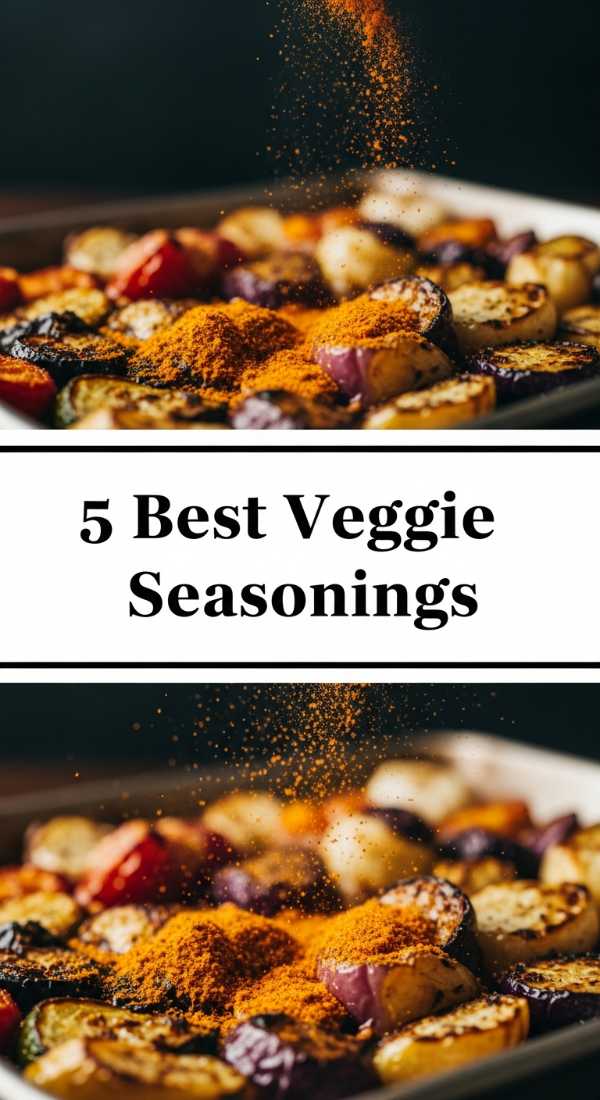
5 Best Roasted Vegetable Seasonings
Why we love this
Seasoning is where you can truly express your culinary personality and make your board stand out from the crowd. Whether you go for a smoky Mediterranean vibe or a bright, zesty citrus profile, the right spices will elevate the aroma of your board to something truly legendary. The way spices toast in the oven oil releases their essential oils, filling the air with a fragrance that draws everyone to the kitchen. It transforms a simple carrot or potato into a flavor bomb that keeps your guests coming back for ‘just one more bite.’
Ingredients
- Smoked paprika and cumin
- Dried oregano and garlic powder
- Za’atar and sesame seeds
- Everything bagel seasoning
- Lemon pepper and dried parsley
How to make it
- Create your spice blends in small bowls before you even start cutting the vegetables to ensure a smooth workflow.
- For a ‘Smoky Blend,’ mix 2 parts smoked paprika with 1 part cumin and a pinch of cayenne. This works wonders on sweet potatoes and cauliflower.
- For a ‘Mediterranean Blend,’ combine oregano, garlic powder, and a touch of dried lemon peel. This is the perfect pairing for zucchini and peppers.
- Apply the seasoning *after* the oil but *before* roasting. The oil acts as a glue, and the heat of the oven ‘blooms’ the spices.
- To prevent spices from burning, especially delicate ones like garlic powder, keep your oven temperature no higher than 425°F and monitor closely.
- For ‘Everything Bagel’ seasoning, apply it in the last 10 minutes of roasting so the seeds toast but don’t turn bitter.
- Keep extra seasoning in small jars on the board so guests can add an extra sprinkle if they desire more punch.
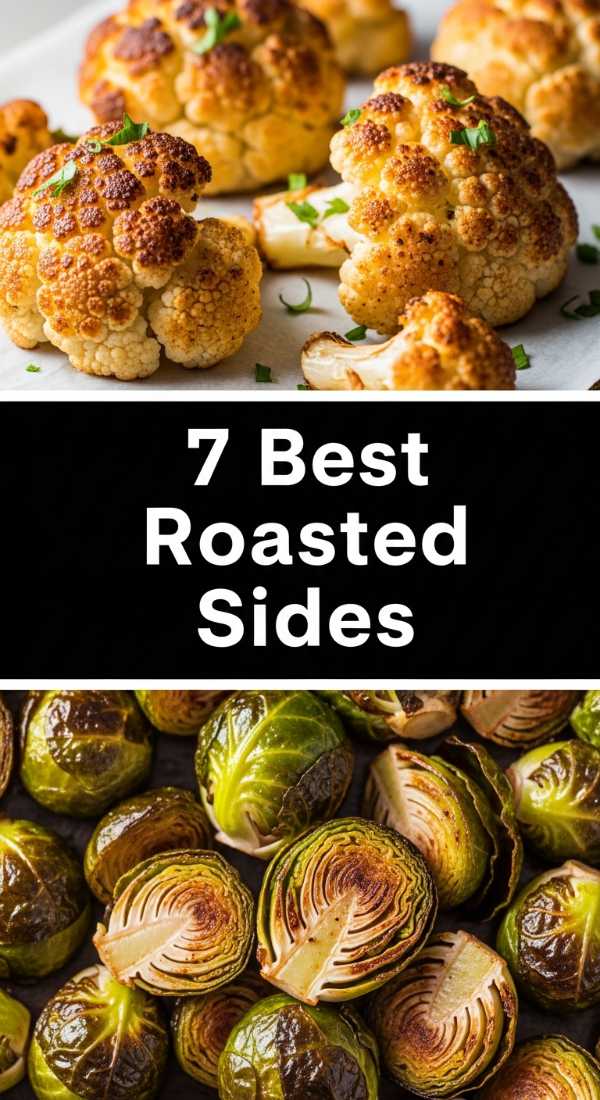
7 Perfect Roasted Side Dishes

Why we love this
A great food board needs variety in form, and these side-dish-style roasts provide the perfect fillers to bridge the gap between main items. Think of roasted chickpeas that offer a crunchy, snackable element or roasted grapes that provide a surprising burst of hot, sweet juice. These items add layers of complexity and keep the palate engaged. They are the details that make a board feel ‘complete’ and curated, offering different mouthfeels from soft and jammy to crisp and airy.
Ingredients
- Chickpeas (canned, drained, and dried)
- Red grapes (on the vine)
- Feta cheese blocks (for roasting)
- Radishes
- Kalamata olives
- Artichoke hearts
- Shishito peppers
How to make it
- For crispy chickpeas: Dry them thoroughly between paper towels, toss with oil and salt, and roast at 400°F for 30 minutes until they rattle on the pan.
- For roasted grapes: Keep them on the vine for a stunning visual, drizzle with olive oil, and roast until the skins just start to blister and pop.
- For roasted feta: Place a block of feta in a small oven-safe dish, surround with olives, and roast until the cheese is soft and the edges are golden.
- Radishes lose their ‘bite’ and become sweet and juicy when roasted; simply halve them and roast for 15 minutes at high heat.
- Artichoke hearts and shishito peppers only need about 10-12 minutes; roast them until they have dark charred spots.
- Arrange these smaller items in the gaps between your larger vegetable piles to create a ‘full’ look on the board.
- Finish the feta with a drizzle of honey and the chickpeas with a sprinkle of smoked salt right before serving.
10 Roasted Vegetables for Dinner

Why we love this
Turning a vegetable board into a full dinner requires heartier, more substantial choices that leave everyone feeling satisfied. We love the combination of dense starches like potatoes and parsnips with protein-rich additions like roasted nuts or seeds. The texture of a slow-roasted parsnip is almost creamy, providing a filling base that anchors the lighter elements of the meal. It’s a wholesome, plant-forward way to eat that feels indulgent because of the deep, savory flavors developed through long roasting times.
Ingredients
- Russet potatoes, wedged
- Parsnips, peeled and sliced
- Kohlrabi, cubed
- Acorn squash, slices
- Cabbage, cut into ‘steaks’
- Portobello mushrooms
- Whole shallots, peeled
- Brussels sprouts on the stalk
- Turnips, wedged
- Cauliflower ‘steaks’
How to make it
- Cut your heartier vegetables like cabbage and cauliflower into thick ‘steaks’ (about 1 inch thick) to provide a substantial ‘main’ for the board.
- Brush both sides of the steaks with a mixture of olive oil, soy sauce, and balsamic vinegar for a deep umami flavor.
- Roast the potatoes and parsnips at 425°F, giving them a head start of 15 minutes before adding the cabbage or mushrooms.
- For the shallots, roast them whole in their skins for 20 minutes, then squeeze them out—they become sweet, jammy flavor bombs.
- Season the acorn squash with a mix of salt and maple syrup to bridge the gap between sweet and savory.
- Ensure everything is fork-tender. The ‘dinner’ board relies on these vegetables being soft enough to eat comfortably as a main course.
- Present the ‘steaks’ in the center of the board and surround them with the smaller roasted wedges and shallots.
5 Roasted Vegetables for Prep

Why we love this
The secret to a viral board isn’t just the final look, but the ease of putting it together, and prep-friendly vegetables are the key. These are the hardy veggies that hold their shape and texture even if roasted ahead of time and reheated or served at room temperature. They maintain their vibrant colors and don’t become soggy, which is essential for a board that needs to sit out during a party. The flavors actually deepen as they sit, making them the perfect ‘make-ahead’ components for a stress-free host.
Ingredients
- Baby carrots
- Beets
- Brussels sprouts
- Butternut squash
- Sweet potatoes
How to make it
- Roast these vegetables in large batches using the standard high-heat method (400°F-425°F) with plenty of oil and salt.
- Once roasted, let them cool completely on the baking sheet before transferring them to airtight glass containers.
- Do not add acidic elements like lemon juice or vinegar until you are ready to serve, as these can dull the colors over time.
- Store in the refrigerator for up to 4 days. When ready to build your board, take them out 30 minutes early to reach room temperature.
- If you prefer them warm, spread them back on a baking sheet and ‘flash’ them in a 450°F oven for 5 minutes to regain their crisp edges.
- This method allows you to spend your time on the artistic arrangement of the board rather than being stuck over a hot stove while guests are present.
7 Tricks for Crispy Vegetables
[IMAGE_10]
Why we love this
Crunch is the ultimate goal of roasting, and mastering these tricks will set your food boards apart from the amateur versions. There is a specific sensory delight in that ‘crackle’ when you bite into a piece of kale or the edge of a potato wedge. Achieving this texture requires a bit of science and patience, but the payoff is a board that feels high-end and chef-prepared. It adds a level of sophistication to the meal that makes people stop and ask, ‘How did you get it so crispy?’
Ingredients
- Cornstarch (the secret weapon)
- High-smoke-point oil (Grapeseed or Avocado)
- Fine sea salt
- Baking powder (for potatoes)
- Preheated baking sheets
How to make it
- The ‘Dry’ Trick: Ensure every vegetable is bone-dry. Use a salad spinner or pat them down individually with a kitchen towel.
- The ‘Cornstarch’ Trick: Lightly dust starchy vegetables like potatoes or carrots with cornstarch before adding oil. It creates an ultra-thin, crispy outer layer.
- The ‘Baking Powder’ Trick: For potatoes, add a pinch of baking powder to the seasoning. It breaks down the surface starch, creating more surface area for crisping.
- The ‘Space’ Trick: Never let vegetables touch. If you need three pans for one batch, use three pans. Crowd equals steam; steam equals mush.
- The ‘Preheat’ Trick: Place your empty baking sheets in the oven while it preheats. When you drop the oiled vegetables onto the hot metal, they start searing immediately.
- The ‘High Heat’ Trick: Don’t be afraid of 425°F or 450°F. Vegetables are mostly water, and you need high heat to evaporate that water and brown the solids.
- The ‘Salt Later’ Trick: While some salt is good at the start, adding a final sprinkle of flaky sea salt *after* roasting ensures a crunch that doesn’t draw out moisture while sitting.
Conclusion
Creating a viral food board is all about balancing the rustic charm of roasted vegetables with a thoughtful, artistic presentation. By focusing on textures—from the snap of charred broccoli to the velvet of a roasted carrot—you create a meal that is as much a feast for the eyes as it is for the stomach. Remember to play with colors, use plenty of high-quality oils, and don’t be afraid of the high heat that creates those beautiful, caramelized edges. Now, grab your favorite wooden board, start roasting, and watch your feed explode with love for these simple, delicious creations!