

10 Minimalist Home Aesthetic Hacks That Went Viral This Week
Have you ever walked into a room and felt an immediate sense of relief, as if the walls themselves were taking a deep, calming breath? That is the magic of the minimalist aesthetic. It is more than just a lack of clutter; it is a curated intentionality that prioritizes your peace of mind over the accumulation of ‘things.’ This week, my Pinterest board has been exploding with these viral hacks that prove you don’t need a mansion to create a sanctuary.
I remember when my own living room felt like a chaotic catch-all for mail, laundry, and mismatched pillows. The moment I started applying these minimalist principles, the energy of my entire home shifted. It’s about finding that perfect balance between ‘clean’ and ‘cozy’—what I like to call ‘Warm Minimalism.’ Let’s dive into these viral trends that are redefining how we live and breathe in our spaces.
How to Style a Cozy Minimalist Living Room for Ultimate Serenity

Why we love this
There is something deeply restorative about a living room that doesn’t demand your attention with loud colors or busy patterns. Imagine sinking into a cloud-like cream sofa, the soft scent of sandalwood wafting through the air, while the sunlight dances across a low-profile oak coffee table. This look works because it utilizes a monochromatic palette layered with rich, tactile fabrics that make the room feel lived-in yet incredibly tidy. It transforms a standard seating area into a soft-focus haven where the mind can finally rest after a long day of digital noise.
Essential Elements:
- A neutral-toned sofa (linen or bouclé).
- Raw wood accent furniture.
- A large-scale abstract art piece with negative space.
- Warm-toned ceramic vases.
- Dimmable floor lamps with fabric shades.
How to make it
- Begin by clearing the room entirely of small decor items to visualize the ‘bones’ of the space; this allows you to see the natural light flow without distraction.
- Position your largest piece—the sofa—facing the primary light source or a focal point like a fireplace, ensuring there is at least 18 inches of walking space around it to maintain a sense of openness.
- Layer in a high-pile rug in a slightly darker shade than your flooring to anchor the seating area; ensure the rug is large enough that all furniture legs sit comfortably on it.
- Incorporate ‘living’ elements by adding one large potted plant, like a Fiddle Leaf Fig, in a corner to soften sharp architectural lines and add a burst of organic color.
- Finalize the ambiance by swapping cool-toned LED bulbs for ‘warm white’ (approx. 2700K) to create an inviting, golden glow that mimics the late afternoon sun.
How to Curate a Small Living Room Apartment Aesthetic for Maximum Comfort

Why we love this
Small apartments often feel like they are closing in on us, but the minimalist approach treats every square inch as a precious opportunity for light and air. We love this because it utilizes ‘floating’ elements and mirrors to trick the eye into seeing more space than actually exists. The atmosphere is crisp and bright, characterized by the gentle reflection of light off polished surfaces and the airy feeling of furniture with exposed legs. It’s about making a studio feel like a penthouse by emphasizing height and eliminating visual weight.
Essential Elements:
- Wall-mounted shelving units.
- A large floor mirror with a thin metallic frame.
- Leggy furniture (mid-century modern style).
- Sheer linen curtains.
- Multi-functional nesting tables.
How to make it
- Select a primary wall for a large floor mirror; place it directly opposite a window to bounce natural light deep into the room, effectively doubling the perceived visual depth.
- Choose a sofa or chairs with ‘exposed legs’ rather than skirted bottoms; this allows the eye to see the floor underneath, which creates an illusion of more floor area.
- Install sheer, ceiling-to-floor curtains hung several inches above the actual window frame to draw the eye upward and emphasize the vertical height of the room.
- Utilize vertical wall space for storage by installing floating shelves at eye level, keeping the floor clear of bulky bookcases or storage bins.
- Edit your display items down to three ‘hero’ objects per surface, using the ‘Rule of Three’ (varying heights and textures) to create visual interest without clutter.
How to Master Minimalist Room Decor for a Peaceful Haven

Why we love this
Minimalist decor is the art of ‘less but better.’ We are obsessed with this aesthetic because it highlights the beauty of raw materials—the grain of the wood, the weave of the fabric, and the cool touch of stone. Each piece feels like a curated gallery object rather than just a household item. The room feels quiet, not empty, filled with a sense of purpose and calm. The tactile experience of touching a smooth marble tray or a hand-thrown ceramic bowl adds a layer of grounding luxury to your daily routine.
Essential Elements:
- Hand-crafted ceramics in earthy tones.
- Textured wall hangings.
- Minimalist clocks or functional art.
- Sculptural candles.
- Trays for grouping small items.
How to make it
- Audit every decorative item currently in the room and remove anything that does not serve a functional purpose or bring you genuine aesthetic joy.
- Group remaining small items onto a single tray; this creates ‘visual boundaries’ that make the collection look like one intentional unit rather than scattered clutter.
- Introduce one ‘statement’ sculptural piece, such as a large ceramic vase or a unique branch in a glass vessel, to serve as the room’s singular focal point.
- Apply the ‘One In, One Out’ rule: for every new decor piece you bring into the space, remove one old piece to maintain the equilibrium of the room.
- Check the ‘breathability’ of the room by ensuring that at least 40% of your flat surfaces (tables, mantels) remain completely empty to provide visual relief.
How to Design a Minimalist Home for a Clutter-Free Life

Why we love this
This hack is the ultimate life-changer because it addresses the psychology of clutter at its source. A truly minimalist home isn’t just about what you see; it’s about the systems that keep the mess hidden. We love the feeling of ‘visual silence’—where every remote, cable, and paper has a dedicated, invisible home. It creates an environment where you can focus entirely on the present moment without the nagging feeling of needing to clean or organize. It’s the architectural equivalent of a deep exhale.
Essential Elements:
- Hidden storage ottomans.
- Cable management boxes.
- Uniform storage baskets.
- Built-in cabinetry or wardrobes.
- A dedicated ‘drop zone’ for mail and keys.
How to make it
- Map out your ‘clutter hotspots’ (usually the entryway or coffee table) and install a closed-storage solution, like a sideboard or drawer unit, in that exact location.
- Use cable sleeves and under-desk baskets to hide all power strips and wires; a truly minimalist space should appear to be completely wireless.
- Invest in uniform storage containers (e.g., all white woven baskets or all clear acrylic bins) for inside your cabinets to maintain a sense of order even when the doors are open.
- Establish a ‘Flat Surface Policy’: at the end of every evening, clear all dining and coffee tables of any items that accumulated during the day.
- Label your storage zones clearly; knowing exactly where an item belongs reduces the mental friction of putting things away immediately after use.
How to Create a Cozy Minimalist Bedroom for Better Sleep

Why we love this
Your bedroom should be a sanctuary for your subconscious. This aesthetic focuses on soft, breathable layers that invite you to disconnect from the digital world and sink into physical comfort. We love the combination of muted, desaturated tones like sage, oat, and slate which naturally lower the heart rate. The air feels cooler, the bedding feels crisper, and the absence of electronics creates a ‘tech-free’ zone that signals to your brain that it is time to rest. It is the ultimate luxury: the gift of a perfect night’s sleep.
Essential Elements:
- 100% stone-washed linen bedding.
- Blackout curtains in a neutral fabric.
- A low-profile wooden bed frame.
- Minimalist nightstands with drawers.
- A salt lamp or amber-toned reading light.
How to make it
- Strip your bed and start with a base of high-quality linen sheets; layer with a duvet and a weighted throw in a tonal color palette to add depth without ‘noise.’
- Remove all electronics, including TVs and charging hubs, from the immediate bedside area to eliminate blue light and standby-mode glow.
- Style your nightstand with only three items: a glass of water, a single book, and a low-wattage lamp with a warm bulb for evening reading.
- Scent the space using a reed diffuser with lavender or eucalyptus oils, which provides a constant, subtle olfactory cue for relaxation.
- Ensure the area under the bed is either completely empty or used for long-term storage in sealed, dust-proof containers to prevent visual ‘heaviness’ in the room.
How to Arrange a Minimalist Living Room in Small Spaces for Better Flow
Why we love this
Flow is the invisible ingredient that makes a room feel ‘expensive.’ In small spaces, proper arrangement prevents that ‘boxed-in’ feeling. We love this approach because it emphasizes the movement of people and light through the room. By pulling furniture away from the walls and creating distinct ‘islands’ of function, the room feels dynamic and spacious. It’s about the luxury of movement—the ability to walk through your home without dodging corners or tripping over rugs.
Essential Elements:
- Circular or oval coffee tables (to avoid sharp corners).
- Slim-profile armchairs.
- Strategic rug placement.
- Wall-mounted lighting (sconces).
- Clear acrylic or glass accents.
How to make it
- Identify the natural traffic paths from the door to the window or other rooms; keep these paths at least 3 feet wide and entirely unobstructed.
- Pull your sofa 3-5 inches away from the wall; this ‘breathing room’ creates a shadow line that makes the room feel wider than if the furniture was flush against the drywall.
- Use a large area rug to define the seating ‘island,’ making sure all pieces of furniture touch the rug to create a unified, grounded zone.
- Replace bulky floor lamps with wall-mounted swing-arm sconces to save floor space while providing targeted task lighting for reading.
- Swap a heavy wood coffee table for a glass or acrylic ‘ghost’ table; the transparency allows the eye to travel through the object, making the floor look continuous.
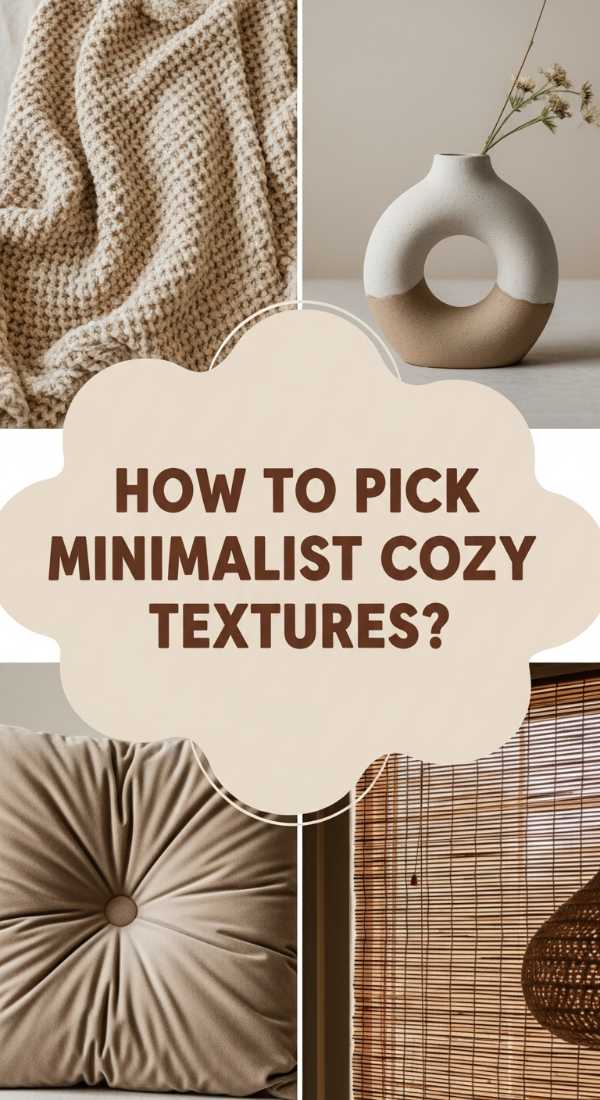
How to Pick Minimalist Cozy Textures for a Warm Atmosphere
Why we love this
Without texture, minimalism can feel cold and sterile. This hack is the secret to that ‘Instagram-worthy’ warmth. We love the interplay between a rough-hewn wooden stool and a buttery-soft cashmere throw. It’s a sensory feast that invites you to touch and feel your surroundings. The variation in heights and weights of fabrics creates visual ‘shadows’ that give a neutral room character and soul without needing a single drop of bright paint. It’s like a warm hug for your home.
Essential Elements:
- Chunky wool knits.
- Bouclé or velvet upholstery.
- Natural jute or sisal rugs.
- Smooth marble or stone accents.
- Grained wood (oak, walnut).
How to make it
- Select three distinct textures for any given room: one ‘hard’ (wood/stone), one ‘soft’ (wool/linen), and one ‘tactile’ (jute/bouclé).
- Layer a soft, high-pile sheepskin or faux-fur rug over a flat-weave jute rug to create a sophisticated contrast in underfoot feel.
- Mix your pillow fabrics; instead of four identical pillows, use two linen and two velvet pillows in the same color family to add subtle visual complexity.
- Introduce a ‘raw’ element, like a live-edge wooden tray or a piece of unpolished travertine, to break up the perfectly smooth surfaces of modern furniture.
- Ensure your ‘warm’ textures are placed where you interact with them most—soft throws on the sofa and plush rugs where your feet first hit the floor in the morning.
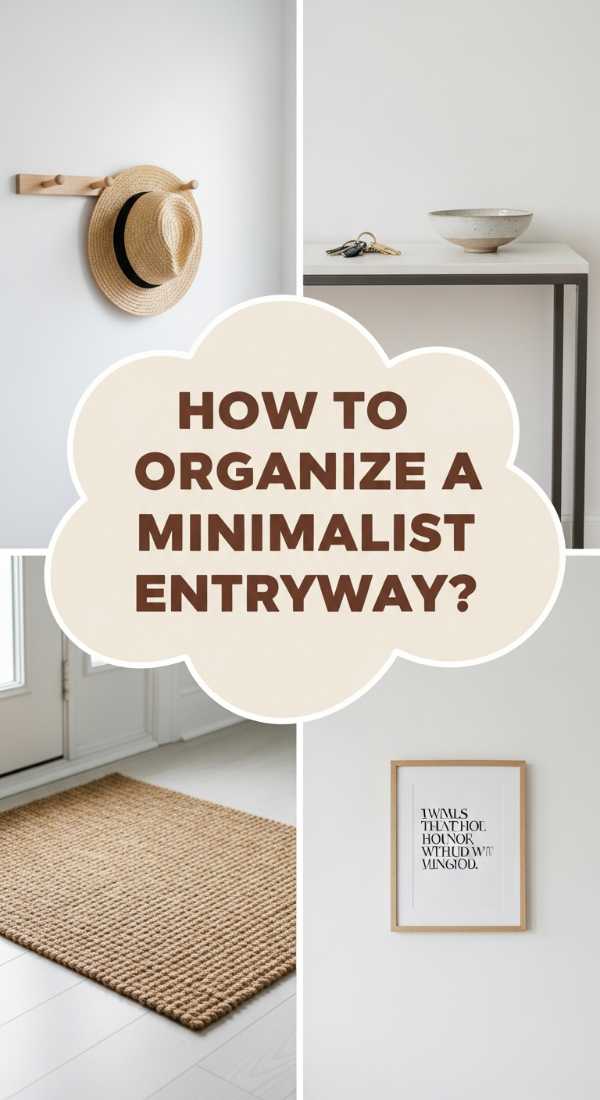
How to Organize a Minimalist Entryway for a Stress-Free Arrival

Why we love this
The entryway is the transition between the chaos of the world and the peace of your home. We love this hack because it turns a cluttered ‘dumping ground’ into a serene gallery. Imagine walking through the door and seeing only a beautiful wooden bench, a single hook for your coat, and a small stone bowl for your keys. It sets the tone for your entire evening, immediately signaling to your nervous system that you are safe, organized, and home. It’s the ultimate mental reset.
Essential Elements:
- A slim console table or floating shelf.
- Individual wall hooks (pegs).
- A ‘catch-all’ bowl in ceramic or brass.
- A small bench or stool.
- Indoor-outdoor low-profile rug.
How to make it
- Clear everything from the entryway and only return items that you use daily; store seasonal coats and extra shoes in a separate closet.
- Install a floating shelf at waist height to act as a ‘landing pad’ for mail and keys, keeping the floor area beneath it completely clear for a sense of airiness.
- Use a single, high-quality ceramic bowl on the console table to contain small items like keys and sunglasses, preventing them from scattering across the surface.
- Place a minimalist mirror above the console to allow for a quick ‘check’ before leaving and to reflect light into what is often the darkest part of the home.
- Set a strict ‘Two-Shoe Rule’: only two pairs of shoes per person are allowed in the entryway at any time; all others must be put away in their designated storage.
How to Curate Minimalist Home Office Decor for Better Focus
Why we love this
A cluttered desk is a cluttered mind. We are obsessed with the viral ‘Zen Office’ look because it removes all visual distractions, allowing for deep work and creative flow. The feeling of a clean, wooden desk surface under your hands, paired with a single green plant and a high-quality lamp, creates a professional yet peaceful environment. It’s about stripping away the ‘busy-work’ items and keeping only the tools that actually help you produce your best work.
Essential Elements:
- A clean-lined desk (white or light wood).
- Ergonomic but stylish chair.
- Monitor arm to clear desk space.
- Single potted desk plant.
- A high-quality task lamp with adjustable brightness.
How to make it
- Remove every item from your desk and only put back your computer, a notepad, and a pen; everything else (staplers, paperclips, files) should go into a drawer.
- Mount your monitor on a desk-clamp arm to free up the ‘footprint’ of the monitor stand, giving you more usable surface area for your arms.
- Position your desk perpendicular to a window; this provides ‘side-lighting’ which reduces screen glare and offers a refreshing view for ‘eye-breaks’ every 20 minutes.
- Add one organic element, like a small succulent or a snake plant, to the corner of the desk to improve air quality and provide a calming green focal point.
- End each workday with a ‘5-Minute Reset’ where you clear all papers and coffee mugs, ensuring you start the next morning with a perfectly clean slate.
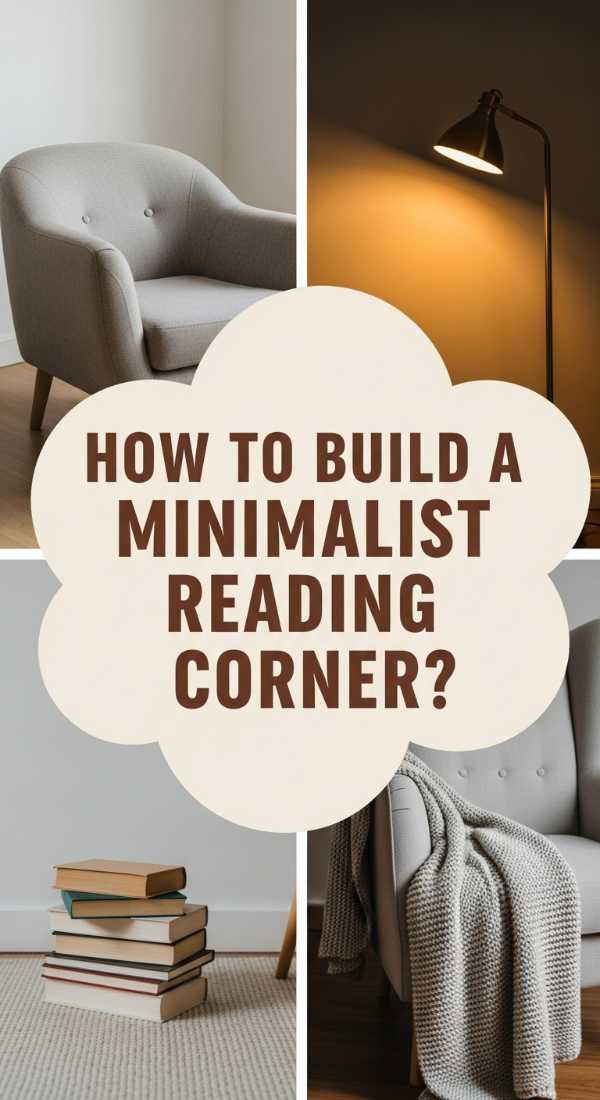
How to Build a Cozy Minimalist Reading Corner for Quiet Moments
[IMAGE_10]
Why we love this
In a world of constant notifications, a dedicated reading corner is a radical act of self-care. We love this setup because it is a destination within your home—a small, carved-out space that exists solely for imagination and quietude. The texture of a velvet chair, the soft pool of light from a floor lamp, and the smell of old paper create a multi-sensory experience that feels incredibly indulgent. It’s a minimalist’s way of saying that ‘doing nothing’ is a valuable part of a well-lived life.
Essential Elements:
- A comfortable accent chair.
- A small, sturdy side table.
- An adjustable floor lamp.
- A soft, textured throw blanket.
- A small stack of your current reads.
How to make it
- Select a quiet corner of a room, preferably away from high-traffic paths and the television, to establish a psychological ‘quiet zone.’
- Place a comfortable chair at a 45-degree angle to the corner to create an inviting, ‘tucked-in’ feeling that makes you feel secure.
- Position a floor lamp behind the chair so the light falls directly over your shoulder onto your book, minimizing eye strain while keeping the rest of the room dim.
- Add a tiny side table—just large enough for a cup of tea and a book—to avoid the temptation of cluttering it with other items.
- Drape a high-quality throw blanket over the arm of the chair to add a ‘soft’ visual cue that this is a place for lingering and comfort.
Conclusion
Transforming your home into a minimalist sanctuary isn’t about getting rid of everything you own; it’s about making space for what truly matters. Whether you start by clearing your entryway or redesigning your entire living room flow, the goal is the same: to create a home that supports your peace rather than draining your energy. These viral hacks are just the beginning of your journey toward a more intentional, beautiful, and serene life. Happy styling!