

Imagine walking through your front door and feeling an immediate wave of calm—not just because it’s home, but because every corner reflects a deeper connection to the earth. There’s something magical about transforming a house into a sustainable sanctuary; it’s about more than just aesthetics, it’s about crafting a lifestyle that breathes with the rhythms of nature and brings a sense of intentionality to our daily routines. When we choose to live eco-chic, we aren’t just decorating; we are curating a legacy of care and beauty.
For me, the journey started with a few potted herbs and blossomed into a full-scale backyard revolution. I realized that our homes are the heart of the environmental movement, and every small choice—from the way we organize our creative spaces to how we treat our feathered friends—ripples outward. This guide is my love letter to a greener life, packed with the viral tips and DIY projects that have turned my home into a shimmering, functional oasis that I never want to leave.
How to Build a Safe Duck Enclosure for Happy Backyard Pets

Why we love this
There is nothing quite like the soft, melodic quacking of happy ducks to make a backyard feel like a true rustic retreat. Watching them waddle through their space with a sense of security brings a profound peace, especially when you know they are protected from the elements and nocturnal predators. A well-built enclosure isn’t just a cage; it’s a sanctuary where the air smells of fresh straw and the ground is always cool, offering your feathered companions a life of luxury and safety that rewards you with endless entertainment and garden-gold fertilizer.
Essential Elements:
- Hardware cloth (1/2 inch gauge)
- Pressure-treated timber for the frame
- Predator-proof latching system
- A solid roof (metal or shingle)
- Deep bedding (straw or pine shavings)
- A buried perimeter apron to prevent digging
How to make it
- Site Selection and Clearing: Choose a level area with good drainage to prevent the enclosure from becoming a mud pit. Clear all debris and level the ground using a rake and spirit level.
- Framing the Structure: Build a sturdy rectangular frame using 4×4 pressure-treated posts for the corners and 2x4s for the top and bottom rails. Ensure the height is at least 4-6 feet to allow for easy cleaning access.
- Installing the Predator Apron: This is crucial. Dig a trench 12 inches deep and 12 inches wide around the entire perimeter. Attach the hardware cloth to the bottom of the frame and let it extend into the trench, curving it outward to discourage digging predators like foxes or raccoons.
- Siding with Hardware Cloth: Stretch the hardware cloth tightly over the frame. Use heavy-duty poultry staples every 2-3 inches. Avoid chicken wire, as predators can easily tear through it.
- Roofing and Ventilation: Install a slanted roof to ensure rain runoff. Leave a 4-inch gap at the top of the walls (covered in hardware cloth) to ensure constant airflow, which is vital for preventing respiratory issues in ducks.
- Securing the Door: Build a heavy-duty door and install a two-step locking mechanism (like a carabiner and a barrel bolt) because raccoons are notoriously good at opening simple latches.
How to Remodel a Retro Ranch Exterior for Modern Curb Appeal

Why we love this
The classic ranch home is a canvas of mid-century potential, waiting to be awakened by a touch of modern sophistication. There is a deep satisfaction in watching those long, low horizontal lines transform from dated to dapper with just a few architectural tweaks and a moody color palette. When the afternoon sun hits a refreshed facade, highlighting the contrast between natural wood and dark matte finishes, it evokes a sense of timeless elegance that feels both grounded and contemporary, making your home the envy of the entire neighborhood.
Essential Elements:
- Modern paint palette (Charcoal, Navy, or Sage)
- Cedar plank accents or horizontal slat fencing
- Large-scale modern house numbers
- Updated exterior lighting (sconces with clean lines)
- New front door with glass inserts
How to make it
- Surface Preparation: Power wash the entire exterior to remove dirt and oxidation. Scrape away any peeling paint and sand the surfaces smooth. Fill any cracks in the brick or siding with appropriate masonry or wood filler.
- Painting the Body and Trim: Apply a high-quality exterior primer. For the main body, choose a deep, modern hue. Use a paint sprayer for an even, professional finish, moving in steady horizontal strokes. Paint the trim in a contrasting shade, often a lighter neutral or a stark black for high-impact definition.
- Installing Cedar Accents: Measure the area around the front entry or a specific window bay. Install cedar 1×4 planks horizontally, leaving a 1/8-inch gap between them for a modern look. Seal the wood with a clear, UV-resistant stain to maintain its warm glow.
- Lighting Upgrade: Replace old brass fixtures with matte black or brushed gold modern sconces. Ensure they are scaled correctly—larger fixtures often look more high-end than small ones.
- Door and Hardware: Sand down the existing front door and paint it a bold accent color, or replace it with a modern door featuring vertical glass panes. Swap out the hardware for a sleek, thumb-latch entry set.
How to Style Front Porch Flower Pots for a Welcoming Entrance

Why we love this
Stepping onto a porch adorned with lush, vibrant containers feels like receiving a warm hug before you even reach the door. The scent of blooming jasmine or spicy geraniums wafting in the breeze creates an olfactory welcome that lingers in the mind. There is a tactile joy in the variety of textures—the fuzzy leaves of dusty miller, the sleek spill of sweet potato vine, and the sturdy stalks of ornamental grasses—all coming together to create a miniature ecosystem of beauty right at your fingertips.
Essential Elements:
- Varying pot sizes (Small, Medium, Large)
- High-quality potting soil with perlite
- Thrilling plants (tall, focal point)
- Filling plants (bushy, mid-range)
- Spilling plants (trailing vines)
- Slow-release fertilizer
How to make it
- Selecting Your Containers: Choose three pots of varying heights but in a cohesive color palette or material (like terra cotta or glazed ceramic) to create visual rhythm. Ensure every pot has a drainage hole.
- The ‘Thriller’ Phase: Place your tallest plant in the center or back of the pot. Think Dracaena, Canna Lilies, or ornamental grasses. This provides the height and drama that catches the eye from the street.
- The ‘Filler’ Phase: Surround the thriller with mounding plants like Petunias, Lantana, or Coleus. Pack them in relatively tightly for an immediate “full” look, ensuring you tease the roots slightly before planting to encourage outward growth.
- The ‘Spiller’ Phase: Near the edges of the pot, plant trailing varieties like Dichondra (Silver Falls), Creeping Jenny, or Bacopa. These will grow downward, softening the hard edges of the container.
- Feeding and Watering: Water the pots thoroughly until water runs out the bottom. Apply a balanced liquid fertilizer every two weeks during the growing season to keep the colors vibrant and the growth lush.
How to Design Low Maintenance Flower Beds for Effortless Garden Beauty

Why we love this
The true luxury of a garden is being able to enjoy it without feeling like it’s a second full-time job. A low-maintenance flower bed offers that rare blend of aesthetic bliss and practical ease, allowing you to spend your weekends sipping tea on the patio rather than pulling weeds. There is a rugged, natural elegance to a garden filled with hardy perennials and native species that thrive on their own, swaying gently in the wind and providing a reliable backdrop of color and texture year after year with minimal intervention.
Essential Elements:
- Native perennial plants
- Cardboard or professional weed barrier
- Hardwood mulch or pine bark
- Drip irrigation system
- Edging material (stone or metal)
How to make it
- Mapping the Bed: Use a garden hose to outline the shape of your bed. Curvy lines look more natural and are easier to mow around. Dig out the grass within this boundary.
- Soil Preparation: Mix in compost to improve soil health, but focus on plants that actually like your native soil to reduce the need for future amendments.
- The Sheet Mulching Technique: Lay down a layer of plain brown cardboard over the soil. This smothers weed seeds and eventually decomposes into organic matter. Soak the cardboard thoroughly with water.
- Planting for Density: Cut holes in the cardboard and plant your perennials. Space them so that when they reach mature size, their leaves will touch. This “living mulch” prevents sunlight from reaching the soil, further inhibiting weed growth.
- Mulching and Edging: Apply a 3-inch layer of wood mulch over the cardboard. Install a permanent edge like steel or stone to keep the mulch in and the grass out. This creates a clean, professional finish that lasts for seasons.
How to Create a DIY Grill Station for Affordable Outdoor Cooking

Why we love this
There is a primal, satisfying joy in cooking over an open flame while surrounded by the sights and sounds of your own backyard. A dedicated grill station elevates the experience from a simple barbecue to a culinary event, providing the workspace and organization needed to master the art of the sear. The aroma of charring wood and sizzling herbs becomes the centerpiece of summer gatherings, while the sturdy, handcrafted feel of the station adds a touch of rustic industrial charm to your outdoor living space.
Essential Elements:
- Pressure-treated 4x4s and 2x4s
- Heat-resistant countertop (Stone, Concrete, or Tile)
- Stainless steel hooks for tools
- Built-in shelving for charcoal or wood
- Weatherproof wood stain
How to make it
- Design and Cut: Measure your grill’s height. Design a frame that sits level with the grill’s cooking surface. Cut your 4×4 posts for legs and 2x4s for the horizontal supports.
- Assembling the Base: Use exterior-grade wood screws to build two rectangular side frames, then connect them with cross-beams. Check for squareness at every step to ensure a stable structure.
- Installing the Lower Shelf: Add slats to the bottom of the frame to create a storage area for charcoal bags or wood chips. Leave 1/2-inch gaps between slats for drainage.
- The Countertop: For an affordable option, use a large piece of granite remnant or cast a simple concrete slab. Secure it to the top of the wooden frame using heavy-duty construction adhesive.
- Finishing Touches: Sand the wood and apply a dark, weather-resistant stain. Screw in stainless steel hooks on the side for your tongs and brushes, and consider adding a bottle opener for the ultimate hosting convenience.
How to Organize Elementary Art Rooms for Maximum Creative Spark

Why we love this
Walking into a perfectly organized art room is like stepping into a rainbow where every hue is a promise of potential. The organized chaos of creativity is balanced by the calming order of color-coded bins and neatly stacked paper. When every paintbrush has its place and every bottle of tempera is labeled, the environment itself becomes a catalyst for imagination, allowing young artists to focus entirely on the feel of the clay or the glide of the marker rather than the frustration of a missing tool.
Essential Elements:
- Clear, stackable plastic bins
- Pegboard wall for tool storage
- Color-coded labels and zones
- Vertical drying racks
- Heavy-duty rolling carts
How to make it
- Zoning the Space: Divide the room into specific functional zones: a wet zone for painting and clay, a dry zone for drawing and collage, and a cleanup zone near the sink.
- The Pegboard System: Install a large pegboard on a central wall. Use hooks and baskets to keep scissors, tape, and rulers at eye level. Trace the outline of the tools on the board so students know exactly where each item belongs.
- Color-Coding Supplies: Use clear bins so the contents are visible. Label them with both words and color swatches. Group all warm-colored supplies together and all cool-colored supplies together to reinforce color theory as they clean up.
- Vertical Management: Utilize vertical space for paper storage using a slotted rack. This prevents large sheets from being crushed and makes it easy for students to select their own colors without making a mess.
- Creating an Inspiration Gallery: Reserve a wall at student eye level for finished work. Use a simple wire and clip system to make rotating the artwork quick and easy, ensuring every child feels like a featured artist.
How to Curate Glass Yard Art for a Shimmering Garden Oasis
Why we love this
Glass yard art captures the fleeting beauty of light, turning a simple garden path into a gallery of dancing shadows and brilliant reflections. As the sun moves across the sky, these translucent pieces evolve—glowing with a soft amber in the morning and exploding into vibrant magentas and teals at midday. The ethereal, fragile look of glass contrasted against the sturdy green of the foliage creates a sophisticated, whimsical atmosphere that feels like a hidden fairy glen hidden right in your own backyard.
Essential Elements:
- Hand-blown glass globes or sculptures
- Sturdy copper or iron stakes
- Recycled glass mulch for ground cover
- Solar-powered spotlights
- Strategically placed focal points
How to make it
- Selecting Your Pieces: Look for glass with a mix of transparent and opaque textures. Choose colors that complement your flowers—blue glass looks stunning against orange lilies, while clear glass adds elegance to white moonflowers.
- Placement for Light: Walk your garden at different times of day. Place glass art where it will catch the most direct sunlight. East-facing spots are great for morning luminescence, while West-facing spots catch the golden hour glow.
- Installation: For glass orbs, use copper stakes that will patina over time. Ensure the stake is driven at least 12 inches into the ground to prevent tipping. If using glass mulch, lay down a landscape fabric first to keep the glass from sinking into the dirt.
- Creating Depth: Don’t just place art on the ground. Use varying heights—some pieces tucked among the low flowers, others elevated on pedestals or hanging from tree branches—to draw the eye upward.
- Nighttime Illumination: Position a small solar-powered spotlight at the base of each glass piece. At night, the glass will catch the light and appear to glow from within, maintaining the magic after the sun goes down.
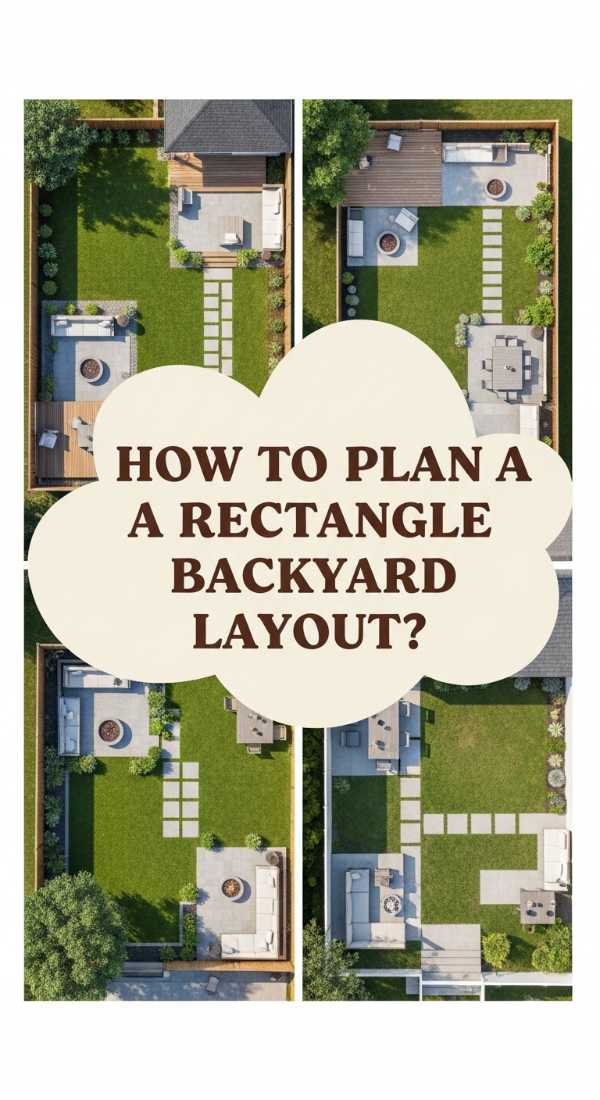
How to Plan a Rectangle Backyard Layout for Functional Outdoor Living

Why we love this
A rectangular backyard is a masterclass in geometric harmony, offering a clean, structured canvas that can be divided into a series of “outdoor rooms.” There is a satisfying flow to a well-planned long space, where one area transitions seamlessly into the next—from the cozy intimacy of a fire pit to the open conviviality of a dining area. It’s about maximizing every square inch of the footprint, creating a vista that feels expansive and purposeful, yet tucked away from the outside world like a private urban park.
Essential Elements:
- Defined hardscape zones (pavers or decks)
- Pathway materials (gravel or stepping stones)
- Privacy screening (hedges or fencing)
- Vertical interest (arbors or tall plants)
- Outdoor lighting (string lights or path lamps)
How to make it
- The Rule of Thirds: Divide your rectangle into three distinct zones: a social/dining area near the house, a transition/greenery area in the middle, and a quiet/niche area (like a hammock or fire pit) at the far end.
- Creating Sightlines: Design a central path that draws the eye from the back door to the farthest point. This makes the yard feel longer. Use a different material for the path, like flagstone, to contrast with the lawn.
- Zoning with Hardscape: Install a patio area using large format pavers. Use a level and a 2-inch sand base over crushed stone to ensure a perfectly flat surface for furniture.
- Vertical Layering: To break up the “bowling alley” effect, plant tall, narrow trees or install a pergola in the middle zone. This adds height and creates a sense of enclosure within the open space.
- Lighting the Perimeter: Install string lights in a zig-zag pattern across the entire length of the yard. This illuminates the boundaries and makes the entire rectangle usable after dark, expanding your living space visually.
How to Construct a DIY Wood Trellis for Vertical Plant Growth
Why we love this
There is something deeply romantic about a garden that grows upward, with vines twisting around a sturdy wooden frame to create a wall of living green. A well-constructed trellis is more than just a support; it’s an architectural statement that adds texture and height to the landscape. The tactile warmth of the wood, combined with the delicate tendrils of climbing roses or sweet peas, creates a sensory experience that feels both structured and wild, bringing the lushness of a secret garden to even the smallest patio.
Essential Elements:
- Cedar or Redwood 2x2s
- Weatherproof wood glue
- Galvanized finish nails or screws
- Level and measuring tape
- Exterior wood sealer
How to make it
- Measure and Design: Determine the height and width of your trellis based on the plant you intend to grow. For heavy vines like wisteria, use thicker wood; for light vines like clematis, thinner slats are fine.
- Building the Outer Frame: Cut your vertical side pieces and horizontal top/bottom pieces. Lay them on a flat surface and join them using wood glue and screws. Ensure the frame is perfectly square.
- The Grid Layout: Decide on a square or diamond pattern. Mark intervals of 6-8 inches along the frame. Cut your interior slats to fit and lay them out to ensure they are even.
- Securing the Slats: Glue and nail the vertical slats first, then overlay the horizontal slats. For a professional look, countersink the nails and fill the holes with wood putty.
- Installation: Secure the trellis to a wall or fence using spacers to leave at least a 2-inch gap between the wood and the wall. This allows for airflow and gives the vines room to wrap around the slats.
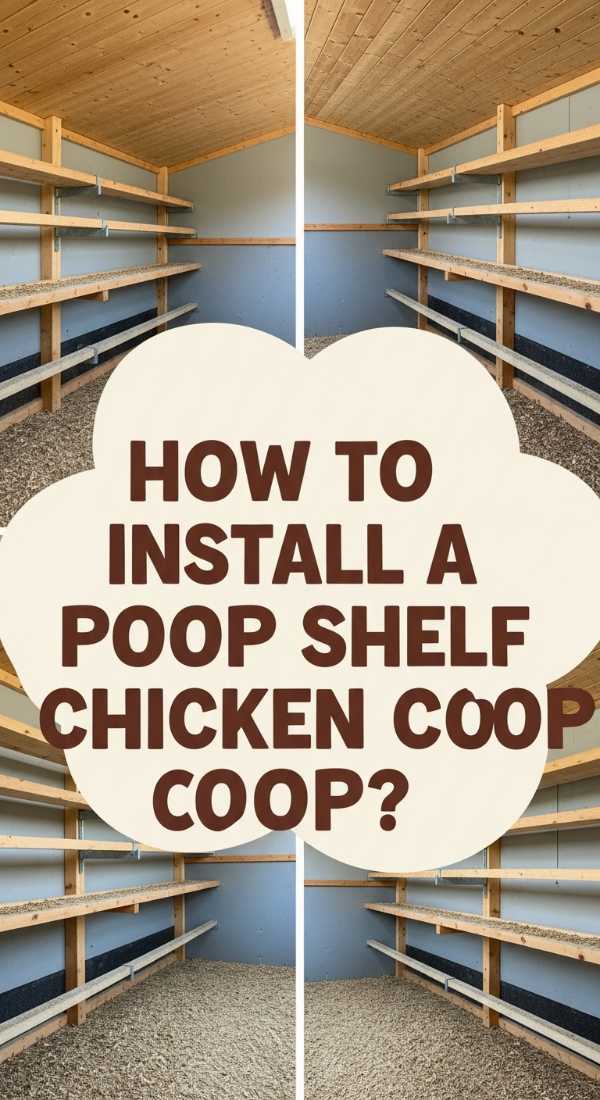
How to Install a Poop Shelf Chicken Coop System for Cleaner Housing
[IMAGE_10]
Why we love this
Maintaining a chicken coop doesn’t have to be a chore if you have the right systems in place, and the “poop shelf” is a total game-changer for the modern homesteader. It keeps the floor bedding pristine, which means less cleaning for you and a healthier, less dusty environment for your birds. There is a strange but real satisfaction in a morning routine that takes only seconds—scraping a clean surface rather than shoveling through deep litter—leaving your coop smelling fresh and your garden enriched with high-quality compost.
Essential Elements:
- Smooth plywood or PVC board
- Self-adhesive vinyl flooring (remnants work great)
- Heavy-duty brackets
- Sweet PDZ or sand
- A wide putty knife or scraper
How to make it
- Placement Planning: Identify where your chickens roost at night. The shelf needs to be installed 8-10 inches directly below the roosting bars and should extend 6 inches past the bars on all sides to catch all droppings.
- Constructing the Shelf: Cut your plywood to size. To make it truly “easy clean,” cover the top surface with self-adhesive vinyl flooring. This creates a non-porous, slick surface that droppings won’t stick to.
- Mounting: Use heavy-duty shelf brackets to secure the shelf to the coop walls. Ensure it is level so that your “absorbent layer” doesn’t slide off.
- The Absorbent Layer: Sprinkle a thin layer of Sweet PDZ (stall refresher) or construction sand over the vinyl. This dries out the droppings immediately, neutralizing odors and making them easy to scoop.
- The Daily Scoop: Every morning (or every few days), use a wide-blade scraper or a modified kitty litter scoop to remove the droppings from the shelf. This takes about 30 seconds and keeps the rest of the coop immaculate.
Creating Your Sustainable Legacy
Transforming your home into an eco-chic sanctuary is a journey of a thousand small, beautiful steps. Whether it’s the shimmer of glass art in your garden or the streamlined efficiency of a clean chicken coop, these projects remind us that we can live in harmony with our environment without sacrificing style or comfort. Your home is your sanctuary—make it a place where both you and nature can thrive.
Frequently Asked Questions
- How do I keep my duck enclosure from smelling? The key is drainage and carbon. Ensure the site is elevated and use deep straw bedding that you turn regularly. Adding a sprinkle of lime or stall refresher can also help neutralize odors.
- What is the best wood for outdoor DIY projects? Cedar and redwood are naturally rot-resistant and beautiful. If you’re on a budget, pressure-treated pine is a great alternative, provided you seal it with a high-quality exterior stain.
- Can I use glass yard art in cold climates? Most thick, hand-blown glass can withstand the cold, but it’s best to bring delicate pieces inside during hard freezes to prevent cracking from thermal shock.