
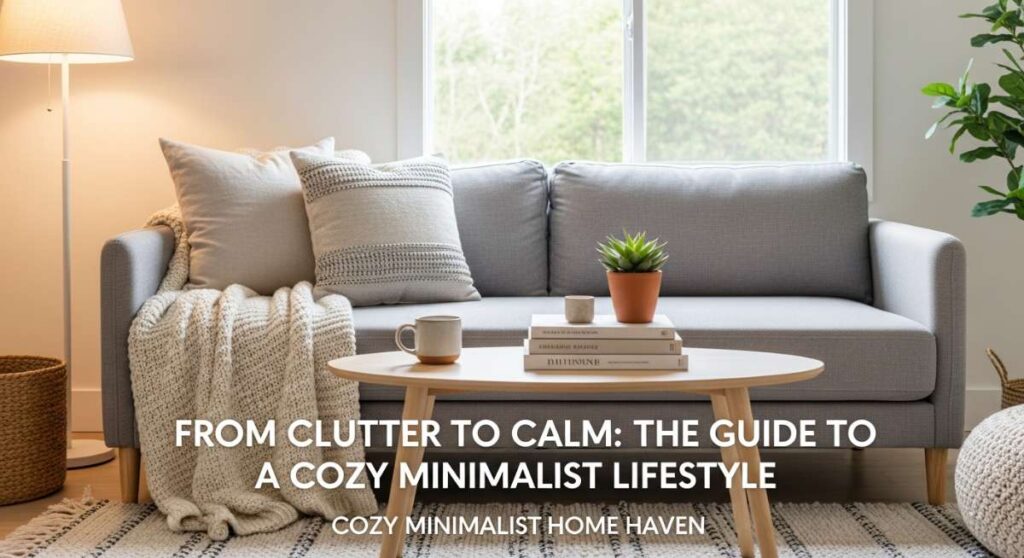
From Clutter to Calm: The Guide to a Cozy Minimalist Lifestyle
Have you ever walked into your home and felt a sudden weight on your chest, an invisible pressure from the piles of mail, the mismatched pillows, and the ‘stuff’ that seems to multiply when you aren’t looking? I’ve been there—standing in the middle of a room that was supposed to be my sanctuary, feeling only a sense of chaos. It was that specific moment of overwhelm that led me to the beauty of cozy minimalism. It isn’t about living in a cold, empty white box; it’s about curate-ing a space that breathes, where every object has a purpose and every corner invites you to exhale.
The transition from a cluttered life to a serene haven is more than just a home makeover; it’s a soul makeover. By focusing on ‘Cozy Minimalism,’ we bridge the gap between stark modernism and the warm, lived-in feel we all crave. It’s about finding that perfect balance where the air feels lighter, the light hits the floor just right, and your home finally reflects the peace you want to feel inside. Let’s dive into how we can transform your space into a restorative retreat.
How to Design a Minimalist Living Room for Ultimate Serenity

Why we love this
There is an incredible sense of relief that comes from a living room that doesn’t demand your attention with clutter, but rather invites you to sink into a state of total stillness. We love this approach because it focuses on the interplay of soft, tactile textures like bouclé or raw linen against a muted, monochromatic palette that mimics the calmness of a morning mist. When you sit in a space designed for serenity, you can actually hear your own thoughts, smell the faint, comforting scent of a beeswax candle, and feel the gentle support of a well-placed, high-quality cushion without the distraction of visual noise.
Essential Elements:
- A low-profile sofa in a neutral tone (oatmeal, sand, or dove gray).
- A single, high-quality wool or jute rug to anchor the seating area.
- Natural wood accents to add organic warmth and grounding energy.
- Hidden storage solutions to keep daily tech and remotes out of sight.
- A statement piece of art with ample negative space.
How to make it
- Begin by clearing the room entirely of small decor items to assess the ‘bones’ of the space. Observe how the natural light moves across the floor at different times of the day to determine your primary seating position.
- Position your largest furniture piece (the sofa) against the longest wall or facing the main focal point, ensuring there is at least 18 inches of walking space around all edges to maintain a sense of airiness.
- Layer in your rug, ensuring it is large enough that all furniture legs sit comfortably on top; this visual cue of ‘containment’ creates an immediate sense of psychological order.
- Add exactly three ‘soul’ items—perhaps a ceramic vase, a stack of two favorite books, and a textured throw. The ‘Rule of Three’ ensures the space feels intentional but not sparse.
- Install dimmable warm-spectrum lighting (2700K) to ensure the serenity remains even after the sun goes down, avoiding the harsh glare of overhead fixtures.
How to Create a Small Apartment Haven for Cozy Comfort
Why we love this
Small apartments have a unique magic because they force us to be extremely intentional with every square inch, resulting in a ‘jewelry box’ effect where everything is precious. We love the challenge of turning a compact footprint into a haven because it highlights how much comfort can be found in simplicity and proximity. The air feels warmer in a small space when it’s filled with soft lighting and plush fabrics, creating a ‘hug’ effect that larger homes often struggle to replicate. It’s about that cozy, tucked-in feeling you get when your favorite reading chair is perfectly positioned next to a sun-drenched window.
Essential Elements:
- Multi-functional furniture like an ottoman with hidden storage.
- Sheer linen curtains that allow maximum natural light while providing privacy.
- A mirror wall or oversized floor mirror to double the visual depth of the room.
- Vertical shelving that keeps the floor clear but holds cherished items.
- A signature home scent, like cedarwood or lavender, to define the zone.
How to make it
- Audit your belongings and remove anything that hasn’t been touched in six months; in a small haven, physical space is the most valuable luxury you own.
- Scale your furniture appropriately; opt for ‘leggy’ pieces that sit off the floor, allowing the eye to see the floorboards underneath, which creates an illusion of more space.
- Utilize the ‘corner technique’ by placing a high-quality floor lamp and a soft chair in an unused nook, instantly creating a secondary ‘room’ within your main living area.
- Hang curtains as high as the ceiling will allow, rather than just above the window frame; this draws the eye upward and makes the room feel grander and more breathable.
- Incorporate ‘living’ elements like a tall, slender Fiddle Leaf Fig or a snake plant to purify the air and provide a vibrant contrast to neutral walls.
How to Style Minimalist Decor for a Peaceful Atmosphere
Why we love this
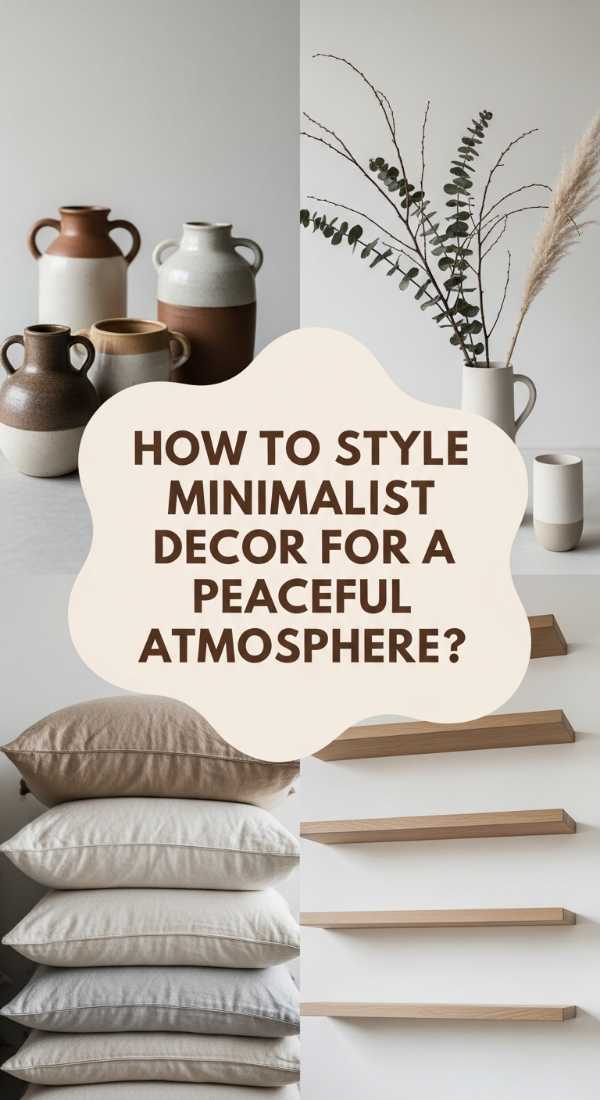
Styling decor with a minimalist mindset is an exercise in appreciation, where you allow a single ceramic bowl or a lone branch in a glass vase to be the star of the show. We love this because it removes the ‘clutter fatigue’ that comes from scanning too many small objects, replacing it with a focused, museum-like appreciation for form and material. The atmosphere becomes peaceful because there is nothing to ‘solve’ or ‘fix’ visually; the eye moves smoothly across surfaces, resting only on items that evoke a sense of history, nature, or hand-crafted beauty.
Essential Elements:
- Handmade ceramics with organic, imperfect edges (Wabi-sabi style).
- A curated selection of dried botanicals like pampas grass or eucalyptus.
- Textured wall hangings made of natural fibers like cotton or wool.
- Solid brass or matte black accents for a touch of modern weight.
- Coffee table books with serene, landscape photography covers.
How to make it
- Clear all surfaces (mantels, tables, shelves) and clean them thoroughly to create a literal ‘blank canvas’ for your peaceful styling.
- Choose a ‘hero’ object for each surface; this should be your largest or most visually interesting piece, such as a large stone vase or a sculptural candle.
- Group secondary items in odd numbers, varying the heights to create a rhythmic flow that prevents the arrangement from looking static or stiff.
- Integrate ‘negative space’ by leaving at least 50% of any given surface empty; this ‘breathing room’ is the secret ingredient to a minimalist aesthetic.
- Finish the look by adjusting the angle of your items so they catch the light; check the ‘visual balance’ from the doorway to ensure no one side feels too heavy or cluttered.
How to Curate a Cozy Minimalist Sanctuary for Relaxation
Why we love this
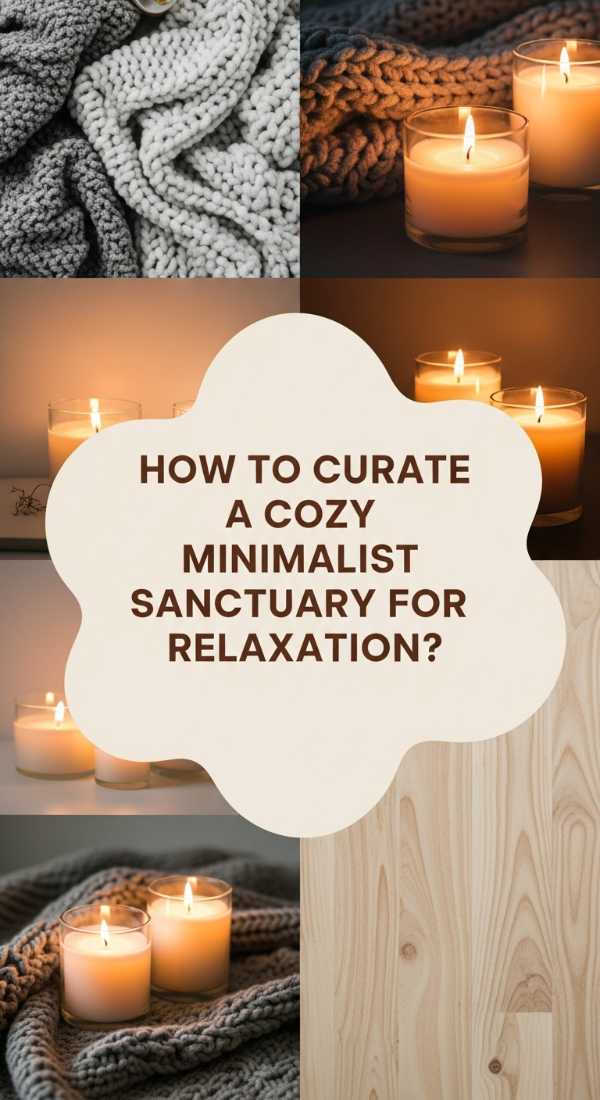
A relaxation sanctuary is the ultimate gift to your future self, providing a dedicated zone where the stresses of the outside world simply cannot penetrate. We love this because it utilizes the power of sensory deprivation—removing the loud colors and busy patterns—and replaces them with sensory nourishment like the touch of a chunky knit blanket and the soft glow of amber light. It is a space designed for the art of doing nothing, where the lack of ‘stuff’ serves as a permission slip for your mind to finally go offline and recharge in a cocoon of soft neutrals and quiet textures.
Essential Elements:
- An oversized, deep-seated lounge chair or a daybed.
- A weighted blanket in a breathable cotton knit.
- An ultrasonic essential oil diffuser with a silent motor.
- A low-level side table for a cup of herbal tea.
- Floor cushions for grounded, meditative seating options.
How to make it
- Identify the quietest corner of your home, away from high-traffic areas and electronic distractions like televisions or workstations.
- Install a soft-texture rug specifically for this zone to define the ‘sanctuary’ boundary; a high-pile shag or a faux-fur rug works best for immediate comfort.
- Set up your lighting layers, prioritizing a floor lamp with a warm-toned bulb and perhaps a few unscented pillar candles for a flicker of natural firelight.
- Prepare a ‘relaxation kit’ kept in a beautiful basket: your favorite slippers, a silk eye mask, and a journal, keeping them tucked away but easily accessible.
- Test the ‘acoustic comfort’ of the room; if it feels too echoey, add a few more soft goods like a wall tapestry or extra pillows to dampen the sound and increase the sense of intimacy.
How to Arrange a Minimalist Living Room for Maximum Flow

Why we love this
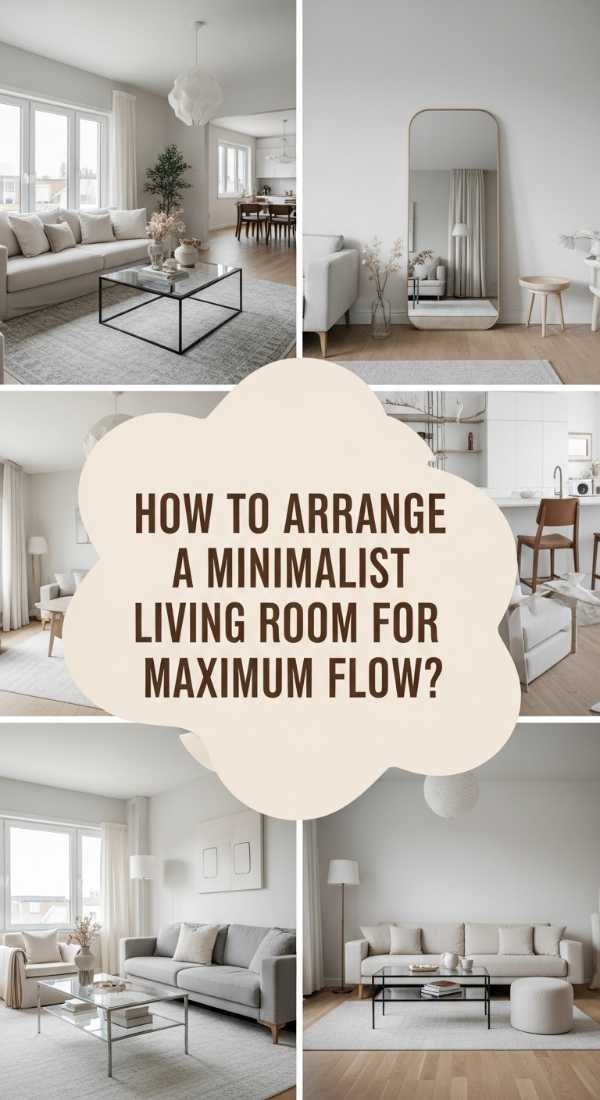
A room with ‘flow’ feels like it was designed by nature; it is intuitive, effortless, and easy to move through without bumping into corners or feeling trapped. We love this arrangement style because it prioritizes the human experience, ensuring that conversation flows as easily as the foot traffic between the sofa and the door. When a minimalist room is arranged correctly, it feels spacious regardless of its actual size, giving you a sense of freedom and lightness every time you walk across the floor, with no jagged edges or ‘dead zones’ to disrupt the energy.
Essential Elements:
- Furniture with rounded edges to soften the visual and physical pathways.
- Clear pathways of at least 3 feet between major pieces of furniture.
- Zoned lighting that highlights the natural ‘walkways’ of the room.
- A minimalist console table behind the sofa to define the living area.
- Strategic placement of mirrors to reflect light into darker corners.
How to make it
- Draw a simple bird’s-eye view map of your room, marking the entrance and exit points to visualize the most natural path people take when moving through.
- Arrange your seating in a ‘U’ or ‘L’ shape that encourages eye contact, ensuring the open end of the shape faces the entrance to the room for an ‘inviting’ vibe.
- Avoid ‘wall-hugging’ furniture; pull your sofa and chairs a few inches away from the walls to allow air to circulate and create a more sophisticated, floating look.
- Check for ‘visual weight’ balance; if all your heavy furniture is on one side, the room will feel tilted. Balance a large sofa with two lighter armchairs on the opposite side.
- Walk through the room with your eyes closed; if you can navigate from the door to the sofa without hesitation, your flow is perfected.
How to Master a Minimalist Home Aesthetic for Intentional Living

Why we love this
Mastering this aesthetic is about more than just looks; it’s a commitment to a lifestyle where you value quality over quantity and presence over possessions. We love the ‘intentional living’ aspect because it turns your home into a mirror of your values, where every spoon, every chair, and every book has been chosen with love and purpose. There is a profound sense of satisfaction in using a single, beautiful ceramic mug every morning rather than rifling through a cabinet of mismatched plastic, creating a daily ritual that feels elevated and grounded in the present moment.
Essential Elements:
- A cohesive color palette restricted to 3-5 harmonious shades.
- Natural materials like stone, wood, linen, and clay.
- Decluttered surfaces that emphasize the architecture of the home.
- Functional items that are also aesthetically pleasing (e.g., a designer kettle).
- Uniform storage containers for pantries and closets to reduce visual noise.
How to make it
- Adopt the ‘one-in, one-out’ rule: for every new item you bring into your home, one must be donated or recycled, ensuring your ‘aesthetic equilibrium’ remains stable.
- Audit your daily rituals; identify the items you touch every single day and invest in the highest-quality, most beautiful versions of those items you can afford.
- Remove all ‘filler’ decor—the things you bought just to fill a shelf. Let the shelf be empty until you find something that truly resonates with your soul.
- Switch to ‘invisible’ organization; use uniform boxes and labels inside cabinets so that even the hidden parts of your home feel intentional and calm.
- Practice ‘visual scanning’ once a week; walk through each room and remove any items that have ‘migrated’ from their designated spots, restoring the minimalist order.
How to Elevate Minimalist Room Decor for Sophisticated Style

Why we love this
Sophisticated minimalism is the art of the ‘quiet flex’—where the luxury is found in the weave of the fabric and the curve of a chair rather than in loud logos or flashy colors. We love this because it feels timeless and expensive without being pretentious, relying on high-contrast elements and architectural shapes to create visual interest. It’s the feeling of a high-end boutique hotel room, where the air is crisp, the linens are heavy, and the space feels curated by an expert hand, giving you a daily dose of sophistication that elevates your mood and your routine.
Essential Elements:
- A mix of matte and polished finishes (e.g., matte walls with a polished marble table).
- Large-scale, minimalist photography or abstract line art.
- Architectural lighting fixtures that act as functional sculpture.
- High-quality textiles like cashmere throws or silk velvet pillows.
- A touch of black or deep charcoal to ground the airy neutrals.
How to make it
- Focus on ‘material tension’ by pairing opposites: place a rough, hand-carved wooden bowl on a sleek, glass-topped table to create a sophisticated focal point.
- Invest in one ‘investment’ piece of furniture with a recognizable, iconic silhouette that serves as the anchor for the entire room’s design.
- Replace standard hardware (drawer pulls, door handles) with high-end versions in unlacquered brass or matte black for an instant ‘designer’ upgrade.
- Use a ‘monochromatic plus’ strategy: keep 90% of the room in one color (like cream) and add 10% in a sophisticated accent like deep forest green or burnt umber.
- Pay attention to the ‘scent-scape’; a sophisticated minimalist home should smell like expensive sandalwood or white tea, reinforcing the luxury through another sense.
How to Achieve an Apartment Aesthetic for a Dreamy Vibe

Why we love this
Achieving a ‘dreamy’ vibe is all about softening the edges of reality, using light and texture to create a space that feels like living inside a soft cloud. We love this look because it’s incredibly romantic and ethereal, making even the most basic apartment feel like a magical escape from the grind of city life. It’s the play of light through sheer fabrics, the presence of soft, rounded furniture, and a palette of pastels and creams that makes you want to move slower, breathe deeper, and linger longer in bed with a good book.
Essential Elements:
- Sheer, floor-to-ceiling drapery that catches the breeze.
- Fairy lights or ‘sunset lamps’ to create a soft, glowing ambiance.
- Pampas grass or dried flowers in oversized floor vases.
- A low-slung, ‘cloud’ style sofa or a plush beanbag chair.
- Iridescent or glass decor pieces that reflect and refract light.
How to make it
- Maximize ‘soft light’ by covering any harsh windows with sheer panels that diffuse direct sunlight into a soft, photographic glow.
- Layer your textures in ‘ton-sur-ton’ (tone on tone); use three different shades of off-white across your rug, sofa, and pillows to create depth without contrast.
- Introduce curved lines wherever possible; a round coffee table or a curved mirror breaks up the ‘boxy’ feel of a standard apartment and adds a dreamy flow.
- Use ‘uplighting’ by placing small LED spotlights behind plants or furniture to cast soft shadows on the ceiling, making the room feel taller and more atmospheric.
- Keep surfaces almost entirely clear, save for one or two ‘dreamy’ items like a crystal cluster or a beautiful, translucent glass vase.
How to Blend Minimalist Design for a Warm Embrace

Why we love this
The ‘warm embrace’ of minimalism is the ultimate answer to the critique that minimalist homes are cold or uninviting. We love this blend because it marries the clean lines of modern design with the soul-soothing warmth of organic elements and firelight. It’s like a warm cup of cocoa in a clean, white mug—it provides the comfort of a traditional home without the claustrophobia of ‘stuff.’ The result is a space that feels incredibly supportive and nurturing, a place where you can truly let your guard down and feel wrapped in a cocoon of intentional peace.
Essential Elements:
- Warm-toned woods like oak, walnut, or cherry.
- Woven elements like rattan baskets or cane-back chairs.
- A functional fireplace or a collection of large, flickering candles.
- Soft, earthy wall colors like terracotta, sand, or warm taupe.
- Plush, high-pile textiles that invite barefoot walking and lounging.
How to make it
- Swap out cool-toned ‘LED white’ bulbs for ‘warm’ or ‘vintage’ Edison-style bulbs to instantly change the molecular feel of the room from cold to golden.
- Introduce ‘life’ through wood grain; choose furniture where the natural knots and patterns of the wood are visible, adding a layer of organic storytelling to the room.
- Incorporate ‘soft storage’—instead of hard plastic bins, use beautiful woven seagrass baskets to hold your extra blankets and pillows.
- Create a ‘warmth zone’ around the hearth or coffee table, arranging seating to face each other closely, which fosters intimacy and emotional warmth.
- Add a ‘living’ scent like cinnamon, vanilla, or amber through a high-quality diffuser to trick the brain into feeling a sense of physical heat and comfort.
How to Build a Minimalist Room Sanctuary for Restorative Sleep
[IMAGE_10]
Why we love this
The bedroom should be the most sacred space in your home, a true sanctuary where the visual noise of the day is finally silenced to allow for deep, restorative sleep. We love a minimalist bedroom because it treats the act of sleeping with the reverence it deserves, removing work, laundry, and technology from the equation. When you lie down in a room that is nothing but soft linens, cool air, and empty surfaces, your nervous system can finally drop from ‘alert’ to ‘rest,’ leading to dreams that are clearer and mornings that feel genuinely refreshed.
Essential Elements:
- All-natural bedding (100% linen or organic cotton) in a neutral shade.
- Blackout curtains that blend seamlessly with the wall color.
- Empty bedside tables, save for a carafe of water and a single book.
- A completely tech-free zone (no TVs, laptops, or charging phones).
- A high-quality air purifier that provides subtle white noise.
How to make it
- Start by ‘de-cluttering under the bed’—energy cannot flow in a room where hidden junk is stored beneath your sleeping body.
- Invest in ‘hospitality-grade’ pillows and a mattress topper; since there is little decor to look at, the physical sensation of the bed becomes the design focus.
- Paint your walls in a ‘receding’ color like a very pale sage or a cool grey-white; these colors are scientifically proven to lower the heart rate and prepare the body for sleep.
- Remove any mirrors that face the bed directly, as reflections can create ‘micro-startles’ during the night that disrupt deep REM cycles.
- Establish a ‘visual reset’ every morning; make the bed immediately upon waking and clear the nightstand, ensuring that when you return at night, your sanctuary is waiting for you.
Finding Your Inner Calm
Transitioning to a cozy minimalist lifestyle isn’t about achieving a picture-perfect home overnight; it’s about the daily practice of choosing what serves your peace and letting go of what doesn’t. As you move through these steps, remember that your home is a living, breathing extension of yourself. It should grow and change as you do. By stripping away the excess, you aren’t losing anything—you are gaining the space to truly live, the clarity to think, and the calm to finally rest. Happy nesting, my friends.