
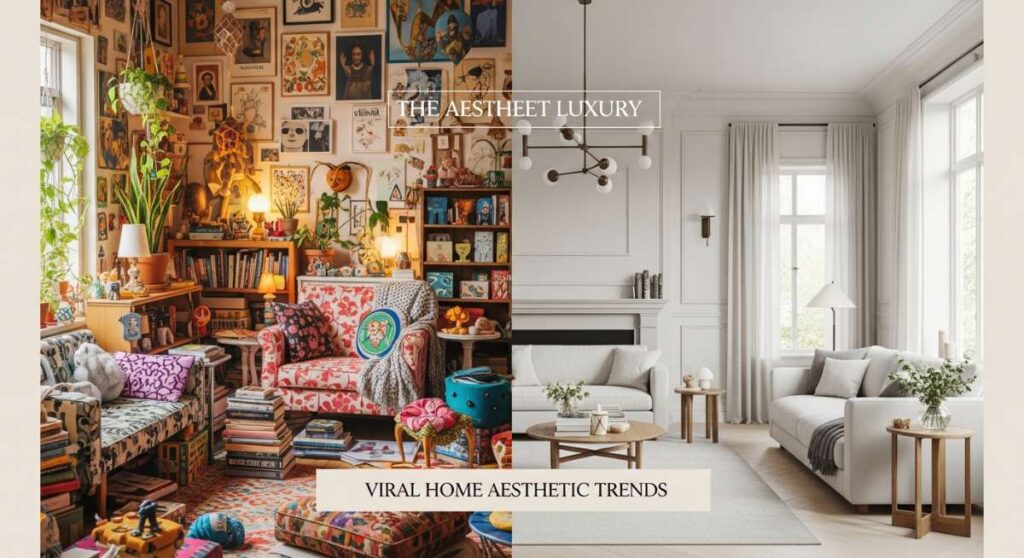
Have you ever spent an entire Sunday afternoon scrolling through TikTok, watching your feed transition from the chaotic, color-drenched joy of ‘Cluttercore’ to the hushed, expensive-smelling vibes of ‘Quiet Luxury’? It’s a wild ride for the senses, but it’s more than just a passing scroll. Our homes have become the ultimate canvas for self-expression, a place where we can curate our inner worlds and share them with the click of a button. Whether you’re a maximalist at heart or a devotee of the ‘clean girl’ aesthetic, there’s a certain magic in transforming a living space into a feeling.
Lately, I’ve found myself captivated by how quickly these trends evolve. One day we’re all about disco balls and neon, and the next, we’re craving the tactile comfort of aged brass and linen. It’s about more than just furniture; it’s about the atmosphere—the way the afternoon sun hits a velvet sofa or the ritual of lighting a specific candle at dusk. Let’s dive into the viral aesthetics that are redefining how we live and breathe within our four walls, and most importantly, how you can bring that viral energy into your own sanctuary.
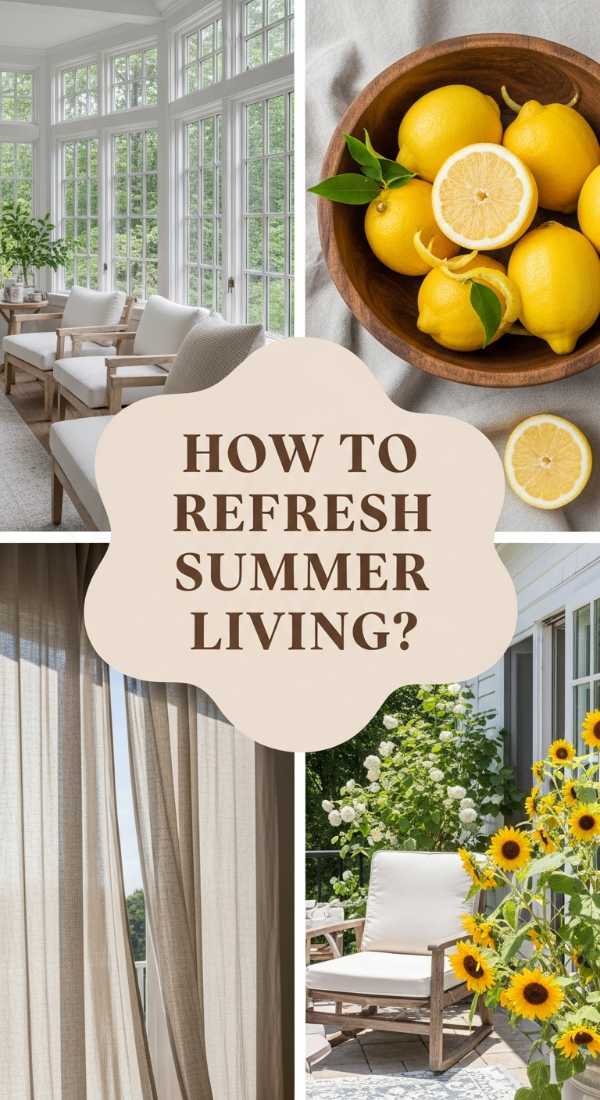
How to Refresh Summer Living for Sunshine Vibes
Why we love this
Summer living is all about capturing that fleeting, golden-hour warmth and inviting the outdoors in through open windows and breezy fabrics. Imagine the scent of zesty lemon rinds and fresh basil simmering on a stove, mingling with the crisp aroma of sun-dried linens and the cool touch of terracotta floors. This aesthetic creates a sensory oasis where the air feels lighter and every corner of the room seems to glow with a gentle, honey-hued radiance that instantly lowers your heart rate and invites a long, cold glass of iced tea.
Essential Elements:
- Sheer linen curtains that catch the breeze.
- Fresh bowls of citrus fruit like lemons and limes.
- Natural jute or seagrass rugs.
- Potted herbs on windowsills.
- Woven rattan furniture and accessories.
How to make it
- Deep Clean and Declutter: Clear all surfaces of heavy winter objects to create a ‘blank slate’ for light to bounce off. Scrub windows until they are invisible to maximize the ‘heat’ of the natural light entering the room.
- Layer Your Scent Profile: Use a ‘cold infusion’ method for the room by placing bowls of dried eucalyptus and citrus peels in corners. This prep phase ensures the room smells like a Mediterranean garden without being overpowering.
- The Lighting Mix: Replace heavy bulbs with warm-spectrum LEDs. Position your mirrors directly opposite windows to ‘reflect’ the sunshine, effectively doubling the brightness of the space without increasing the temperature.
- Textile Swap: Remove velvet or wool throws. Drape lightweight cotton or linen pieces over seating. The visual cue for doneness here is a space that looks ‘breathable’ and light to the touch.
How to Style Coastal Interiors for Oceanside Calm

Why we love this
Coastal interiors are the ultimate antidote to a busy life, offering a palette of sandy beiges, misty blues, and weathered whites that mimic the soothing rhythm of the tide. There is a distinct tactile pleasure in running your hand over a piece of sun-bleached driftwood or feeling the rough, organic weave of a sisal rug beneath your feet. It’s a look that smells like salt spray and cedarwood, evoking a sense of timelessness and peace that makes even a city apartment feel like it’s just a few steps away from the crashing surf.
Essential Elements:
- Weathered wood finishes and driftwood accents.
- A color palette of seafoam green, navy, and soft cream.
- Striped textiles (Breton stripes are a classic).
- Large glass vases filled with beach grass.
- Soft, slipcovered sofas in white or oatmeal.
How to make it
- Define Your Base: Start with a ‘cool’ foundation by painting walls in a flat, matte white or very pale grey. This acts as your ‘canvas’ and prevents the room from feeling too dark or cramped.
- The Texture Simmer: Layer different natural textures. Place a soft cotton throw over a rough jute rug. This contrast creates ‘visual heat’ and prevents the room from looking sterile or flat.
- Curation Phase: Arrange your coastal finds—shells, sea glass, or driftwood—in odd numbers. Use low-profile bowls to display these items so they don’t block the line of sight across the room.
- Final Garnish: Add a high-quality ‘salt and sea’ scented candle. The visual cue of a flickering flame against a blue-and-white backdrop signals the completion of your seaside retreat.
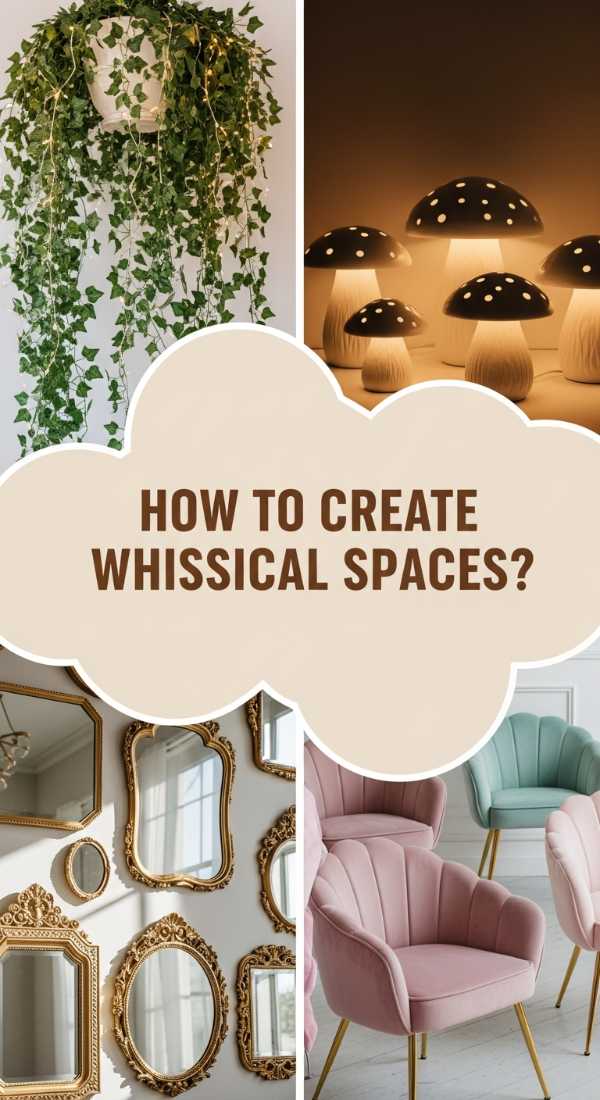
How to Create Whimsical Spaces for Pure Imagination
Why we love this
Whimsical spaces are a playground for the soul, blending the charm of a storybook cottage with the vibrant energy of a modern art gallery. We love this look because it rejects the ‘rules’ of traditional design, opting instead for mushroom-shaped lamps, velvet toadstools, and a riot of pastel colors that spark instant joy. It feels like stepping into a dream where every object has a personality, smelling of sweet vanilla and old paper, and offering a plush, soft-touch experience that encourages you to stay a little longer and dream a little bigger.
Essential Elements:
- Scalloped edges on furniture or shelving.
- Whimsical motifs like butterflies, mushrooms, or stars.
- Soft, iridescent finishes and pearlescent accents.
- A pastel-heavy color palette (mint, lilac, blush).
- Fairy lights or neon signs for magical lighting.
How to make it
- Scale Mapping: Choose one ‘hero’ piece that is oversized or unusually shaped, like a giant velvet flower chair. This sets the ‘temp’ for the rest of the whimsical elements.
- Pattern Marinating: Mix two or three different patterns, such as polka dots and small florals. To ensure they ‘blend’ well, keep them within the same color family (e.g., all pastels).
- The Glow Phase: Install dimmable lighting or smart bulbs that can change color. Setting the lights to a soft pink or warm amber ‘cooks’ the atmosphere into a cozy, dream-like state.
- Accessorize with Intent: Scatter your whimsical objects in unexpected places—a small brass bird on a bookshelf or a mushroom stool in the corner. The visual cue is a sense of ‘enchantment’ in every glance.
How to Source Vintage Accents for Timeless Elegance

Why we love this
There is a soulfulness in vintage accents that brand-new items simply cannot replicate; it’s the patina of age on a brass candlestick and the slightly worn edges of a hand-knotted Persian rug. Sourcing vintage feels like a treasure hunt that rewards you with pieces that have a history, adding a layer of sophisticated ‘Quiet Luxury’ to your home. We love the way a vintage oil painting smells faintly of history and oil, and how a heavy, mismatched gold frame adds a sense of permanence and groundedness to a modern room.
Essential Elements:
- Antique brass or copper kitchenware and decor.
- Ornate, gilded frames and mirrors.
- Mismatched vintage glassware and ceramics.
- Mid-century modern side tables or chairs.
- Second-hand art with authentic aging.
How to make it
- The Hunt Prep: Visit local thrift stores or online vintage marketplaces during the ‘low heat’ hours (mid-week mornings) to find the best pieces before they are snatched up.
- Curing the Finds: Clean your vintage finds gently. For brass, use a mild lemon-juice-and-salt paste to ‘de-grime’ without stripping the character-giving patina. This preserves the ‘flavor’ of the age.
- Curated Layering: Place a modern lamp on a vintage wooden desk. This juxtaposition ‘tempers’ the old-fashioned look, making it feel intentional and high-end rather than cluttered.
- Visual Check: Stand back and ensure the ‘weight’ of the room is balanced. Too many vintage pieces can feel like a museum; balance them with 30% modern items for a perfect ‘doneness’.
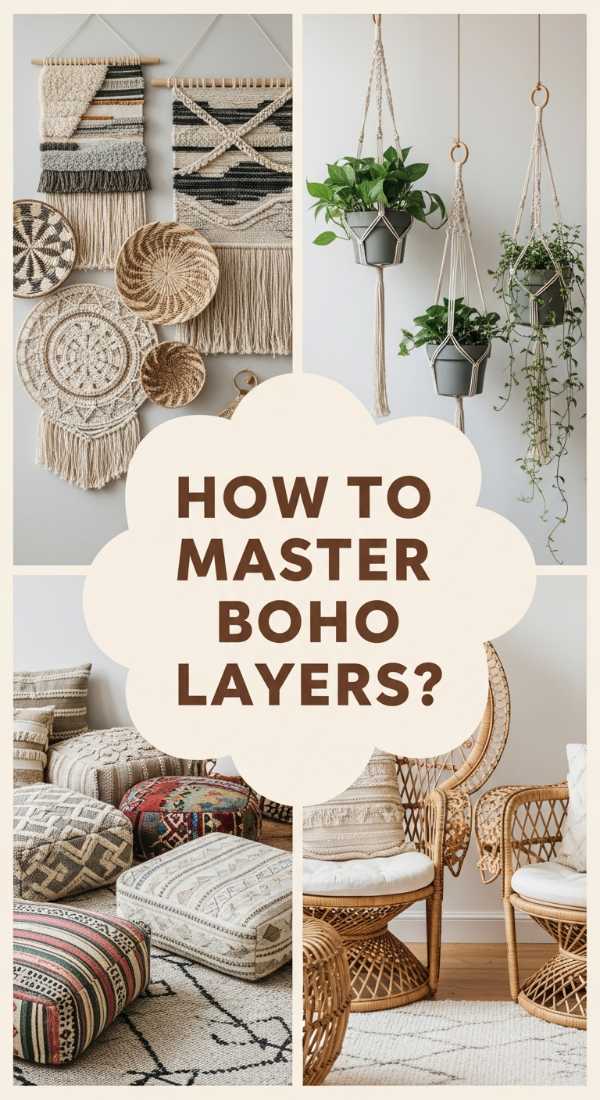
How to Master Boho Layers for Cozy Relaxation
Why we love this
Boho layers are the ultimate embrace, a style that prioritizes comfort and warmth above all else through a rich tapestry of woven fabrics and earthy tones. We love this look for its ‘lived-in’ feel, where a stack of floor pillows and a macramé wall hanging create a sanctuary that smells like patchouli and warm amber. It’s a tactile paradise—think of the softness of pampas grass against a smooth ceramic vase and the comforting weight of a chunky knit blanket as you curl up for a movie night.
Essential Elements:
- Textured wall hangings and macramé.
- A variety of indoor plants (monstera, pothos, ferns).
- Patterned floor cushions and bean bags.
- Natural wood and wicker textures.
- Earth tones: terracotta, ochre, and sage green.
How to make it
- The Foundation Pour: Start with a neutral, textured rug as your base ‘batter’. A low-pile Berber rug works perfectly to provide comfort without adding too much visual noise.
- Vertical Layering: Hang plants at different heights using macramé holders. This ‘rises’ the visual interest of the room and brings the eye upward, making the space feel fuller.
- Pattern Infusion: Toss 3-5 mismatched throw pillows onto your sofa. Ensure they share at least one color thread to keep the look ‘simmering’ in harmony rather than clashing.
- The Warmth Finish: Use warm, low-wattage lighting. The visual cue for a perfect boho room is when the shadows are soft and the textures look ‘inviting’ even from across the room.
How to Revive Nineties Nostalgia for Bold Personality

Why we love this
Nineties nostalgia is making a huge comeback because it celebrates a time of bold experimentation, primary colors, and unapologetic fun. This aesthetic is all about personality—think inflatable chairs (the chic version!), checkered rugs, and pop art that practically shouts from the walls. It smells like bubblegum and new magazines, offering a high-energy vibe that feels youthful and rebellious. We love it because it doesn’t take itself too seriously, allowing for a playful, graphic look that stands out in a sea of beige.
Essential Elements:
- Checkered patterns (rugs, pillows, or throws).
- Bold, primary color accents (red, blue, yellow).
- Curvy, ‘blob’-shaped mirrors and decor.
- Neon lights and acrylic furniture.
- Retro tech as decor (old cameras or game consoles).
How to make it
- Color Blocking Prep: Choose one wall or one large piece of furniture to be your ‘pop’ of color. This acts as the ‘main ingredient’ that defines the room’s energy level.
- Pattern Searing: Apply a checkered rug to the floor. The high contrast of the grid acts as a ‘sear’ for the eyes, immediately setting a retro-modern tone.
- Retro Integration: Carefully clean your ‘vintage’ tech (like an old Polaroid) and place it on a modern glass shelf. This ‘plating’ method makes the nostalgia feel like curated art.
- The Gloss Finish: Incorporate shiny materials like acrylic or chrome. The visual cue is a high-shine, high-contrast look that feels energetic and ‘ready to party’.
How to Curate Sacred Corners for Daily Peace

Why we love this
In our hyper-connected world, a ‘sacred corner’ is a vital sanctuary—a small, dedicated space designed specifically for meditation, journaling, or just being still. We love this because it’s a physical manifestation of self-care, smelling of calming sandalwood incense and the fresh, green scent of a single eucalyptus stem. It’s a place where the lighting is always soft and the seat is always comfortable, providing a tactile and emotional anchor that helps you reset your nervous system after a long day of screen time.
Essential Elements:
- A comfortable floor cushion or low chair.
- A small side table for tea or a journal.
- Crystals, incense burners, or essential oil diffusers.
- Soft, focused lighting (like a Himalayan salt lamp).
- Meaningful art or a small vision board.
How to make it
- Zoning the Space: Select a low-traffic corner of your home. Use a small rug to ‘bound’ the area, effectively ‘marinating’ the energy of that specific spot away from the rest of the room.
- Sensory Prep: Set up your soundscape. Whether it’s a small fountain or a dedicated Bluetooth speaker for ambient noise, this ‘seasoning’ of the air is crucial for focus.
- The Ritual Layout: Arrange your sacred items (crystals, books) in a way that feels intuitive to your reach. This ‘prep work’ ensures that when you sit down, everything you need is at your fingertips.
- Low-Heat Lighting: Turn off overhead lights and use only your salt lamp or a single candle. The visual cue is a soft, warm ‘halo’ of light that signals your brain it’s time to rest.
How to Design Mobile Spaces for Maximum Comfort

Why we love this
Whether it’s a van, a tiny home on wheels, or just a small studio apartment, mobile-inspired design is about the incredible efficiency of ‘utility meets beauty.’ We love the cleverness of this aesthetic—how every inch is maximized, and everything has a dual purpose. It smells of cedar-lined cabinets and fresh coffee, offering a snug, ‘cabin-like’ comfort that feels incredibly secure. There’s a unique satisfaction in the tactile click of a magnetic cabinet or the smooth slide of a hidden storage drawer that makes small-scale living feel like a luxury.
Essential Elements:
- Multi-functional furniture (beds with drawers, folding tables).
- Magnetic strips for kitchen tools or spice jars.
- Warm wood paneling or light-colored walls.
- Collapsible or stackable decor items.
- High-quality, durable textiles like canvas and wool.
How to make it
- Vertical Optimization: Install shelving all the way to the ‘roof’ or ceiling. This ‘rising’ of storage keeps the floor clear and prevents the space from feeling ‘undercooked’ and messy.
- Securing the Elements: Use museum putty or heavy-duty magnets to ‘lock’ your decor in place. This technique ensures that even in a small or moving space, your ‘plating’ stays perfect.
- Light Infusion: Use ‘bright’ finishes on large surfaces (white cabinets, light wood). This ‘whites out’ the shadows, making the ‘interior volume’ feel much larger than it actually is.
- Visual Symmetry: Keep lines clean and uncluttered. The visual cue for a well-designed mobile space is when every item has a dedicated ‘home’ and the space feels ‘tight’ and efficient.
How to Blend Quirky Details for Artistic Expression

Why we love this
Quirky details are the ‘secret sauce’ of a truly personal home, allowing your unique sense of humor and history to shine through. We love this look because it’s a conversation starter; it’s that weird ceramic hand holding your keys or the vibrant, oversized portrait of a cat in a tuxedo. It feels like a gallery of your life, smelling of fresh paint and old books, and offering a visual feast of textures—from glossy ceramics to matte, hand-painted murals that make every room feel like a curated art installation.
Essential Elements:
- Unique, sculptural vases and bookends.
- Gallery walls with mismatched frames and art styles.
- Bold, unexpected wallpaper or paint colors.
- Conversational furniture (like a ‘hand’ chair or a bright orange sofa).
- Handmade or artisanal objects with slight ‘imperfections’.
How to make it
- The Anchor Piece: Select one truly ‘weird’ or bold item to be your ‘base flavor’. This could be a neon-colored bust or a massive piece of abstract art.
- The Odd-Number Rule: Arrange smaller quirky items in groups of three or five. This ‘batches’ the visual interest and makes the eccentricity look intentional rather than accidental.
- Pattern Pairing: Don’t be afraid to ‘mix flavors.’ Pair a leopard print pillow with a floral rug. The key is to have one ‘bridging’ color that appears in both patterns to keep the look cohesive.
- Visual Cue: Walk through the room from a guest’s perspective. The ‘doneness’ is achieved when there is a ‘surprise’ or a ‘smile’ waiting in every corner of the space.
How to Decorate Entryways for a Heartfelt Welcome

Why we love this
The entryway is the ‘first bite’ of your home’s experience, setting the tone for everything that follows. A well-decorated entryway feels like a warm hug after a long day, smelling of your favorite home fragrance and looking organized yet inviting. We love the functional beauty of a sleek console table paired with a large, gleaming mirror that catches the light and makes the space feel expansive. It’s the tactile relief of dropping your keys into a stone bowl and hanging your coat on a sturdy, beautiful hook that signals: you are home.
Essential Elements:
- A functional console table or narrow bench.
- A large mirror to expand the space and check your look.
- A ‘drop zone’ for keys, mail, and sunglasses.
- Ambient lighting (a small lamp or wall sconces).
- A high-quality rug or runner that can handle foot traffic.
How to make it
- The Flow Test: Ensure there is at least 36 inches of ‘clearing’ for people to walk. This ‘prep’ phase ensures your welcome isn’t a bottleneck.
- Scent Diffusion: Place a high-quality reed diffuser near the door. The ‘first impression’ scent should be inviting but not ‘over-seasoned’—think linen, light woods, or white tea.
- Lighting Layers: Avoid harsh overhead ‘glare’. Use a small table lamp with a warm bulb to ‘simmer’ the entryway in a soft, welcoming glow.
- The Final Garnish: Add a small tray or bowl for essentials. The visual cue for a perfect entryway is a balance between ‘utility’ (a place for keys) and ‘beauty’ (a fresh flower or piece of art).
Conclusion
In the end, whether you’re leaning into the ‘Coastal Calm’ or finding joy in ‘Nineties Nostalgia,’ the most important trend is you. TikTok and Instagram might give us the inspiration, but it’s the way we mix these aesthetics with our own memories and rituals that makes a house a home. Don’t be afraid to experiment, to layer, and to change your mind. Your home is a living, breathing reflection of your journey—so make it a space that makes you feel exactly who you want to be every time you walk through the door.