

From Kitchen to Viral: Create a Stunning Food Board in Seconds
There is something inherently magical about a shared meal that starts with a visual explosion of color and texture. We’ve all seen those breathtaking food boards scrolling through our feeds—the ones that look like a Dutch still-life painting brought to life with charred greens, glistening roots, and vibrant dips. It’s not just about the food; it’s about the intentionality of gathering, the rustle of a linen napkin, and the collective ‘ooh’ from your guests as you set down a masterpiece that took surprisingly little effort to assemble.
Creating a viral-worthy food board is less about professional culinary training and more about celebrating the humble beauty of the vegetable. By mastering a few simple roasting techniques, you can transform everyday produce into a sophisticated spread that tastes even better than it looks. Whether you’re hosting a festive brunch or a cozy weeknight dinner, these vegetable-centric components will provide the perfect anchor for your next hosting win. Let’s dive into the art of the roast and build a board that will have everyone reaching for their phones—and their forks.
How to roast seasonal vegetables?

Why we love this
Seasonal roasting is the ultimate way to honor the rhythm of the year, bringing out the concentrated sugars and deep, earthy aromas that define each season. In the autumn, the kitchen fills with the scent of caramelized squash and woody sage, while spring brings the bright, grassy notes of tender asparagus and young radishes. There is a primal comfort in seeing a tray of mismatched shapes and colors emerge from the oven, sizzling slightly and glowing with a light coating of high-quality oil. It’s a sensory experience that grounds us in the moment, offering a variety of bites that range from tender-crisp to melt-in-your-mouth soft.
Ingredients
- 2 lbs of assorted seasonal vegetables (Brussels sprouts, bell peppers, zucchini, or winter squash)
- 3 tablespoons extra virgin olive oil
- 1 teaspoon sea salt
- 1/2 teaspoon cracked black pepper
- 2 sprigs of fresh rosemary or thyme
How to make it
- Preheat your oven to 425°F (220°C). This high heat is crucial for achieving a golden-brown exterior without turning the inside of the vegetables into mush.
- Wash and dry your vegetables thoroughly. Any excess moisture will create steam, which prevents that desirable roasted crust from forming.
- Cut the vegetables into uniform sizes—roughly 1-inch chunks or wedges—to ensure they all finish cooking at the same time. If mixing hard roots with soft greens, consider starting the roots 10 minutes earlier.
- In a large mixing bowl, toss the vegetables with olive oil, salt, pepper, and whole herb sprigs until every piece is glistening and evenly coated.
- Spread the vegetables onto a large, rimmed baking sheet in a single layer. Do not overcrowd the pan; if the pieces are touching too much, they will steam instead of roast. Use two pans if necessary.
- Roast for 25–35 minutes, tossing the vegetables halfway through with a flat spatula to ensure even browning on all sides.
- The vegetables are done when they are fork-tender and feature charred, caramelized edges. Remove from the oven and serve immediately while the textures are at their peak.
How to make crispy broccoli?
Why we love this
Forget the soggy, pale broccoli of your childhood; when roasted correctly, this vegetable undergoes a radical transformation into something nutty, savory, and incredibly addictive. The tiny florets act like sponges for flavor, catching bits of salt and oil in their intricate canopy, while the edges turn dark and crisp like delicate lace. The aroma is reminiscent of toasted nuts, and the contrast between the tender stem and the crunchy ‘trees’ makes it a standout star on any platter. It’s the kind of side dish that people snack on directly from the baking sheet because the texture is just that satisfying.
Ingredients
- 2 large heads of broccoli
- 2 tablespoons avocado oil (high smoke point)
- 1 teaspoon garlic powder
- 1/2 teaspoon red pepper flakes
- Fresh lemon wedges for finishing
How to make it
- Set your oven to 400°F (205°C). Ensure the oven rack is in the center position for even heat circulation.
- Cut the broccoli into bite-sized florets, keeping the stems attached but trimmed. Try to keep the florets relatively flat on at least one side to maximize surface area contact with the hot pan.
- Place the florets in a bowl and drizzle with avocado oil. Add garlic powder and red pepper flakes, tossing vigorously to ensure the spices penetrate the bushy tops of the broccoli.
- Arrange the florets on a parchment-lined baking sheet, ensuring the flat sides are facing down against the metal for maximum browning.
- Roast for 20 minutes. At the 15-minute mark, check for ‘frizzled’ edges—the tips should be dark brown, almost black in some spots.
- Flip a few florets to check the underside; they should be a deep golden color. If they need more time, give them another 5 minutes.
- Once removed from the oven, immediately squeeze fresh lemon juice over the hot broccoli. The acid cuts through the richness and brightens the entire flavor profile.
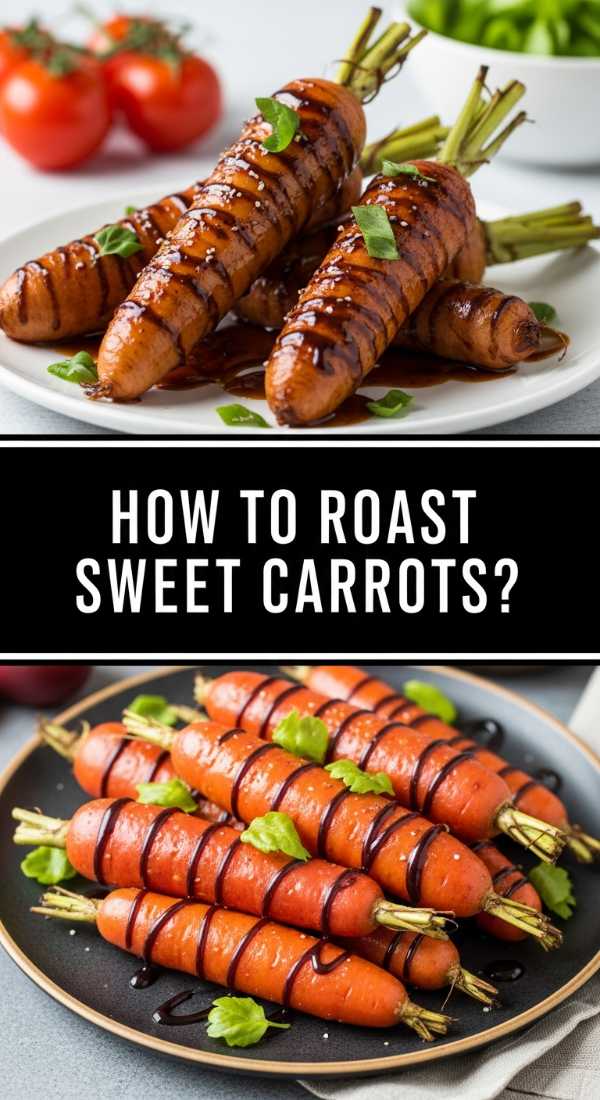
How to roast sweet carrots?

Why we love this
Roasting carrots coaxes out their natural sugars, turning a humble root into a candy-like treat that feels elegant and sophisticated. When glazed with a touch of honey or maple, they develop a glossy sheen that looks stunning under soft dining room lights. The texture is the real winner here—tender enough to yield to a fork but still possessing a slight ‘snap’ that reminds you of their garden-fresh origins. The scent of roasting carrots is deeply nostalgic, warm, and inviting, making them the perfect centerpiece for a board focused on comfort and sweetness.
Ingredients
- 1 lb slender whole carrots (tops trimmed)
- 1 tablespoon honey or maple syrup
- 2 tablespoons melted butter or olive oil
- 1/2 teaspoon ground cumin
- A pinch of flaky sea salt
How to make it
- Preheat your oven to 400°F (205°C). Slender, young carrots work best for this method as they can be roasted whole for a rustic look.
- Scrub the carrots clean but leave the skin on for extra texture and nutrients, or peel them if you prefer a perfectly smooth, refined finish.
- In a small bowl, whisk together the melted butter (or oil), honey, and cumin until fully emulsified.
- Lay the carrots on a baking sheet and pour the glaze over them. Use your hands or a brush to ensure every inch of the carrot is coated.
- Roast for 20–25 minutes. Because of the sugar in the glaze, keep a close eye on them during the last 5 minutes to prevent burning.
- Test for doneness by piercing the thickest part of the carrot with a knife; it should slide in with minimal resistance.
- Transfer to your board and sprinkle with flaky sea salt while still warm to create that beautiful sweet-and-salty contrast.
How to make vegetable soup?

Why we love this
While most boards focus on finger foods, a small carafe or bowl of velvety vegetable soup adds a layer of warmth and luxury to the spread. This isn’t a thin broth; we’re talking about a rich, blended infusion of roasted vegetables that feels like a hug in a mug. The aroma of sautéed onions and garlic simmering with herbs creates an atmosphere of home and care. It’s the perfect dipping companion for crusty bread or roasted skewers, offering a smooth, creamy texture that balances the crunchier elements of your food board.
Ingredients
- 4 cups vegetable stock
- 3 cups roasted vegetables (use leftovers from your board!)
- 1 yellow onion, diced
- 2 cloves garlic, minced
- 1/2 cup heavy cream or coconut milk
How to make it
- In a large pot, sauté the diced onion in a splash of olive oil over medium heat until translucent and fragrant, about 5–7 minutes.
- Add the minced garlic and cook for just 60 seconds to avoid burning the delicate pieces.
- Incorporate your pre-roasted vegetables (like carrots, squash, or peppers) into the pot. Using roasted veggies instead of raw ones adds a complex, smoky depth to the soup.
- Pour in the vegetable stock until the veggies are fully submerged. Bring the mixture to a gentle boil, then reduce the heat and simmer for 15 minutes.
- Use an immersion blender (or carefully transfer to a stand blender) and process until the liquid is completely smooth and velvety.
- Stir in the cream or coconut milk for added richness, and season with salt and pepper to taste.
- Serve in small artisanal cups on your board as a warm ‘sipping’ element.
How to roast Mediterranean veggies?

Why we love this
This preparation is like capturing a summer sunset on a plate, featuring the bold, sun-drenched flavors of the coast. The combination of bell peppers, zucchini, and red onion creates a sweet and savory medley that is dripping with herby olive oil and the tang of dried oregano. As they roast, the peppers become silky and the onions turn jammy, creating a mixture that is as colorful as it is delicious. The smell of oregano and garlic wafting through the house instantly transports you to a seaside terrace, making this an essential component for a viral, Mediterranean-inspired board.
Ingredients
- 1 zucchini, sliced into rounds
- 2 bell peppers, cut into wide strips
- 1 red onion, cut into wedges
- 3 tablespoons olive oil
- 1 tablespoon dried oregano
- 1/2 cup feta cheese (for garnish)
How to make it
- Heat the oven to 425°F (220°C). Mediterranean vegetables have a high water content, so a hot oven is needed to evaporate the moisture and caramelize the skins.
- Toss the sliced zucchini, peppers, and onions in a bowl with olive oil, making sure the onion wedges stay somewhat intact to prevent them from burning too quickly.
- Sprinkle generously with dried oregano, salt, and pepper. The oregano is key to that authentic regional flavor profile.
- Spread the mixture across a baking sheet. Try to keep the zucchini in its own section, as it may cook slightly faster than the thick peppers.
- Roast for 20–25 minutes, turning the vegetables once halfway through. Look for the peppers to develop slight black char marks on their skins.
- Once finished, remove from the oven and let them cool slightly. The flavors actually deepen as they reach room temperature.
- Tumble them onto your board and crumble fresh feta cheese over the top for a salty, creamy finish.
How to bake root vegetables?

Why we love this
Baking root vegetables is an exercise in patience that yields the heartiest, most soul-satisfying results on the board. We love the jewel-toned hues of golden beets, purple potatoes, and cream-colored parsnips, which provide a grounding, rustic aesthetic. These vegetables develop a thick, satisfying crust while the interiors become incredibly soft, almost like custard. The scent is deep and earthy, filling the kitchen with a sense of harvest and abundance. They are the ‘meat’ of the vegetable world, offering a density that makes the board feel like a complete, filling meal.
Ingredients
- 2 lbs mixed root vegetables (parsnips, beets, sweet potatoes)
- 3 tablespoons avocado oil
- 1 teaspoon dried thyme
- 1 teaspoon coarse sea salt
How to make it
- Preheat your oven to 400°F (205°C). Root vegetables are dense, so they require a steady, moderate-high heat to cook through to the center.
- Peel the vegetables if the skins are tough (like beets), then cut them into uniform sticks or cubes. Uniformity is the secret to professional-looking roasted roots.
- Toss the pieces in a bowl with oil, thyme, and salt. Ensure the beets are tossed last or separately if you want to prevent their red pigment from staining the lighter parsnips and potatoes.
- Arrange the roots on a baking sheet, giving them plenty of breathing room.
- Bake for 35–45 minutes. Root vegetables take longer than ‘wet’ vegetables, so don’t rush the process.
- At the 30-minute mark, test with a fork. You want a dark golden exterior and an interior that yields completely without any crunch.
- Let them rest on the pan for 5 minutes after pulling them out; this allows the crust to set slightly before you move them to the board.
How to roast garlic vegetables?
Why we love this
Nothing stimulates the appetite quite like the pungent, savory aroma of roasting garlic. By infusing your vegetables with cloves that soften and sweeten in the oven, you create a flavor profile that is deeply complex and undeniably ‘gourmet.’ The garlic cloves themselves become like savory butter, ready to be smashed against a roasted potato or spread onto a piece of baguette. It adds a layer of interactivity to your board, as guests hunt for the golden, caramelized cloves hidden among the greens and roots. It’s a bold, aromatic experience that lingers beautifully on the palate.
Ingredients
- 1 lb green beans or asparagus
- 8–10 whole garlic cloves, peeled
- 2 tablespoons olive oil
- 1/2 teaspoon lemon zest
- Salt and pepper to taste
How to make it
- Set your oven to 400°F (205°C). Prepare your green beans or asparagus by trimming the woody ends.
- Place the vegetables and the whole garlic cloves together in a bowl. Drizzle with olive oil and toss to coat.
- It is vital to keep the garlic cloves whole; if they are minced, they will burn and turn bitter in the time it takes the vegetables to roast. Whole cloves will roast into sweet, mellow nuggets.
- Spread the mixture on a baking sheet, ensuring the garlic cloves are distributed evenly among the vegetables.
- Roast for 15–20 minutes. Watch the garlic; it should be light golden brown and soft when pressed with a fork.
- If the vegetables are done but the garlic needs more time, remove the veggies and pop the garlic back in for 5 more minutes.
- Toss with lemon zest immediately after roasting to add a high note of acidity to the deep garlic flavor.
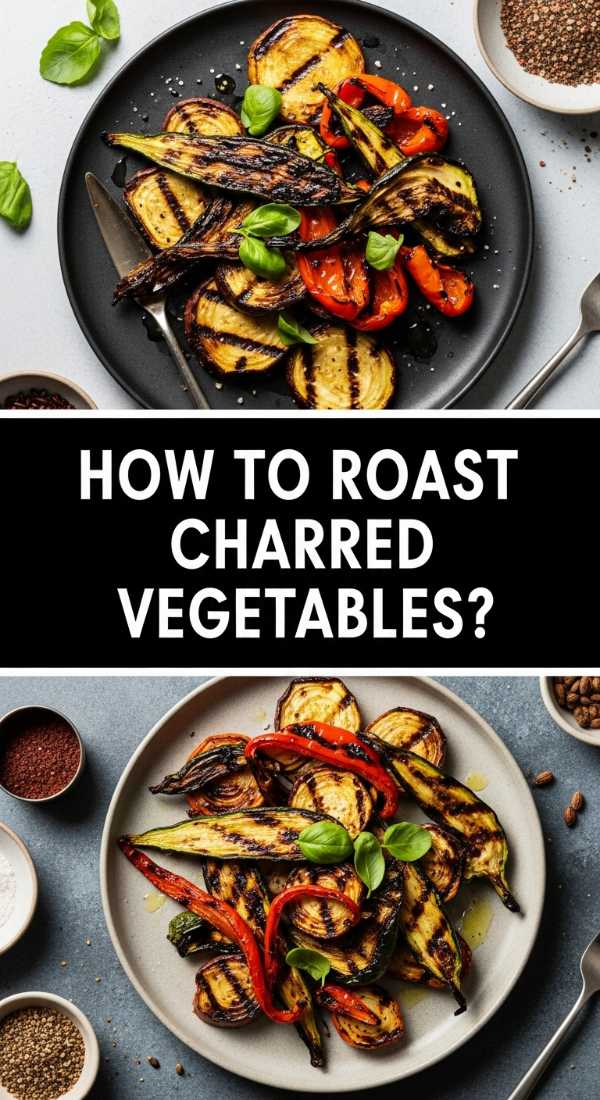
How to roast charred vegetables?

Why we love this
Charring is the ‘cool’ way to roast, giving your board a modern, edgy look with bold pops of blackened edges and blistered skins. This technique brings a smoky, campfire-like quality to the vegetables that pairs perfectly with cooling yogurt dips or tahini drizzles. The high heat creates a dramatic contrast in textures—the outer layer is papery and crisp, while the inside remains bright and succulent. It’s a visual and flavorful statement that says you aren’t afraid of a little fire in the kitchen, turning simple greens into a sophisticated culinary experience.
Ingredients
- 1 lb shishito peppers or small heads of bok choy (halved)
- 1 tablespoon toasted sesame oil
- 1 tablespoon soy sauce
- 1 teaspoon sesame seeds
How to make it
- Preheat your oven to its highest setting (usually 450°F or 500°F) or use the broiler setting if you are confident in your timing.
- Lightly coat the peppers or bok choy with sesame oil and soy sauce. The sugars in the soy sauce will help achieve that dark char quickly.
- Place the vegetables on a heavy-duty baking sheet. If using the broiler, place the rack in the top third of the oven.
- Roast for 8–12 minutes (or 3–5 minutes under the broiler). Do not walk away! The line between ‘perfectly charred’ and ‘burnt’ is very thin.
- Look for the skins to blister and turn dark brown or black in small spots. The vegetables should still look vibrant green in other areas.
- Remove immediately and sprinkle with sesame seeds for added crunch and visual appeal.
- Serve these as the ‘exciting’ element on your board that provides a hit of salt and smoke.
How to make balsamic vegetables?
Why we love this
Balsamic roasting adds a touch of acidity and a sophisticated, syrupy glaze that makes any vegetable feel like a five-star side dish. The vinegar reduces in the oven’s heat, losing its sharp bite and becoming a rich, dark coating that clings to every crevice of the produce. We love the deep mahogany color this adds to the board, providing a beautiful contrast to lighter cheeses or dips. The aroma is sweet and tangy, promising a flavor profile that is both bright and deeply savory, making it a crowd favorite for those who love a bit of ‘zing’ in their bites.
Ingredients
- 1 lb Brussels sprouts (halved) or red onions (thick slices)
- 2 tablespoons high-quality balsamic vinegar
- 1 tablespoon olive oil
- 1 teaspoon brown sugar
- Fresh parsley for garnish
How to make it
- Preheat your oven to 400°F (205°C). Halve your Brussels sprouts or slice your onions into thick, sturdy rounds.
- In a small bowl, whisk the balsamic vinegar, olive oil, and brown sugar until the sugar is mostly dissolved.
- Toss the vegetables in the mixture until they are thoroughly drenched. The vinegar will pool slightly, which is exactly what you want.
- Place the vegetables cut-side down on the baking sheet. This maximizes the caramelization of the flat surfaces.
- Roast for 25–30 minutes. Halfway through, use a spatula to toss them, ensuring the balsamic reduction coats them as it thickens on the pan.
- The vegetables are ready when the glaze is thick and sticky, and the edges are slightly blackened.
- Garnish with chopped fresh parsley to provide a pop of green against the dark, glazed finish.
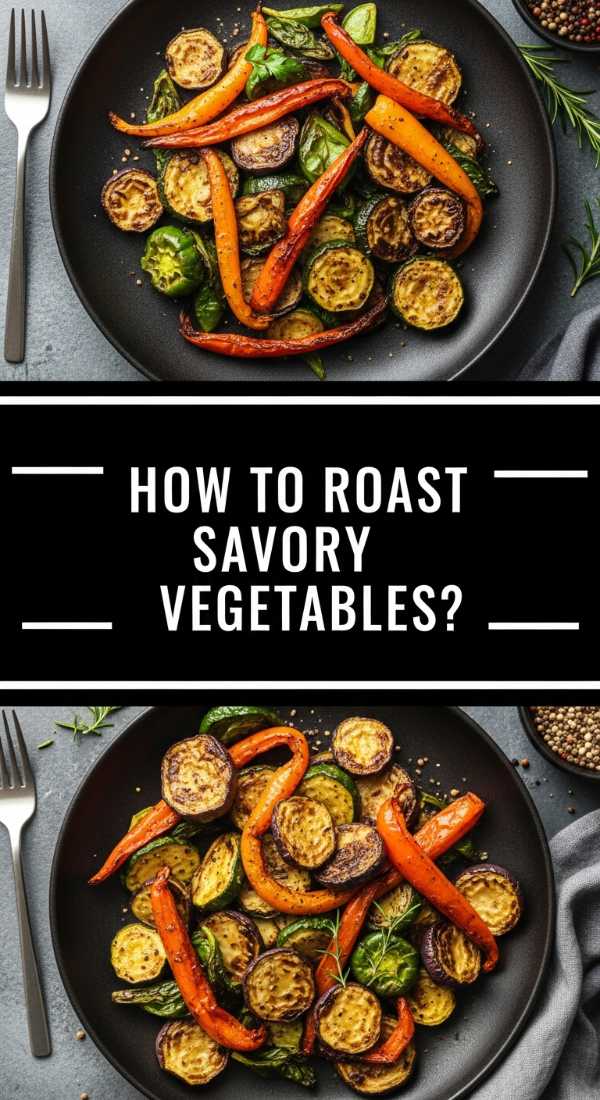
How to roast savory vegetables?
[IMAGE_10]
Why we love this
Savory roasting is all about ‘umami’—that deep, satisfying fifth taste that keeps you coming back for more. By using ingredients like nutritional yeast, smoked paprika, or dried mushrooms, you can create a vegetable dish that feels incredibly substantial and ‘meaty.’ The aroma is intoxicating, filling the air with notes of smoke and aged cheese. These vegetables become the anchors of your board, providing a salty, savory foundation that pairs beautifully with a glass of red wine or a sharp cheddar. It’s the ultimate way to satisfy a savory craving with nothing but garden-grown goodness.
Ingredients
- 1 lb cauliflower florets or thick-cut mushrooms
- 2 tablespoons olive oil
- 1 tablespoon nutritional yeast
- 1/2 teaspoon smoked paprika
- 1/2 teaspoon onion powder
How to make it
- Preheat your oven to 425°F (220°C). Cut your cauliflower into uniform florets or slice mushrooms into thick, meaty halves.
- In a large bowl, whisk together the olive oil, nutritional yeast, smoked paprika, and onion powder to create a thick ‘rub.’
- Add the vegetables to the bowl and use your hands to massage the spice paste into every nook and cranny. Cauliflower is particularly good at holding onto these flavors.
- Spread on a baking sheet in a single layer. The nutritional yeast will create a slightly crispy, ‘cheesy’ crust as it bakes.
- Roast for 20–25 minutes. The cauliflower should be tender with golden-brown, crispy edges, while mushrooms should be juicy and reduced in size.
- Halfway through, shake the pan to ensure nothing is sticking and everything is browning evenly.
- Serve these warm to preserve the delicate ‘crunch’ of the savory crust.
The Art of the Board
Now that you’ve mastered the art of the roast, the final step is assembly. Lay your various roasted treasures across a large wooden board or a marble slab. Group colors together for a gradient effect, or mix them up for a wild, rustic look. Add a few bowls of dip, some sprigs of fresh herbs, and perhaps some toasted nuts for extra crunch. Your food board isn’t just a meal; it’s a conversation starter, a labor of love, and a viral-ready masterpiece that celebrates the simple, stunning beauty of the kitchen. Happy roasting!