

From Pinterest to Reality: Building Your Dream Lifestyle Decor Board
We’ve all been there: curled up on the sofa at 11:00 PM, thumbing through an endless scroll of perfectly lit sunrooms, artisanal pottery, and textiles that look like they belong in a boutique hotel in Oaxaca. It’s so easy to build a digital life that feels light-years away from our actual living rooms, but there is a special kind of magic that happens when you finally decide to pull those dreams off the screen and into your physical space. Creating a home that reflects your soul isn’t about a massive renovation budget; it’s about translating the *feeling* of those pins into textures you can actually touch and corners where you can finally breathe.
Bringing your Pinterest board to life is essentially an act of self-care. It’s about curating a sanctuary that greets you at the end of a long day with a warm hug of aesthetics and comfort. Whether you are craving the vibrant energy of a spice market or the hushed stillness of a coastal morning, your home is a canvas waiting for your personal touch. Let’s dive into how we can bridge that gap between ‘saved’ and ‘styled’ with these ten viral-inspired decor transformations.
How to Style Rustic Mexican Textures for a Warm Welcoming Vibe
Why we love this
There is an undeniable soulfulness in rustic Mexican design that instantly makes a house feel like a home. We adore the grounding earthiness of sun-baked terracotta paired with the soft, nubby touch of hand-woven wool serapes. When you walk into a room styled with these textures, you can almost smell the faint scent of dried chiles and cedarwood. It creates an atmosphere that is intentionally imperfect, celebrating the human hand in every weave and the natural character of raw materials that age beautifully over time.
Essential Elements:
- Hand-painted Talavera tiles as coasters or backsplash accents
- Equipal chairs made from cedar and tanned pigskin
- Chunky wool saltillo rugs in earth tones
- Hand-blown recycled glass pitchers
- Rough-hewn wooden ceiling beams or mantelpieces
How to make it
- Start with a warm, neutral base on your walls, such as a creamy lime-wash or a soft sand-colored paint to mimic the look of traditional adobe.
- Layer your flooring by placing a large, flat-weave jute rug down first, then topping it with a smaller, colorful Mexican textile at an angle to create visual depth and a sense of effortless styling.
- Introduce ‘clay energy’ by sourcing large Oaxacan pottery or terracotta planters; place these in corners or on side tables to provide a heavy, grounded focal point.
- Incorporate leather accents through poufs or chairs, ensuring the leather is untreated so it develops a rich patina over time, which is a hallmark of the rustic aesthetic.
- Finish the look with lighting that uses warm-toned Edison bulbs inside wrought-iron fixtures to cast soft, dancing shadows that mimic the flicker of candlelight.
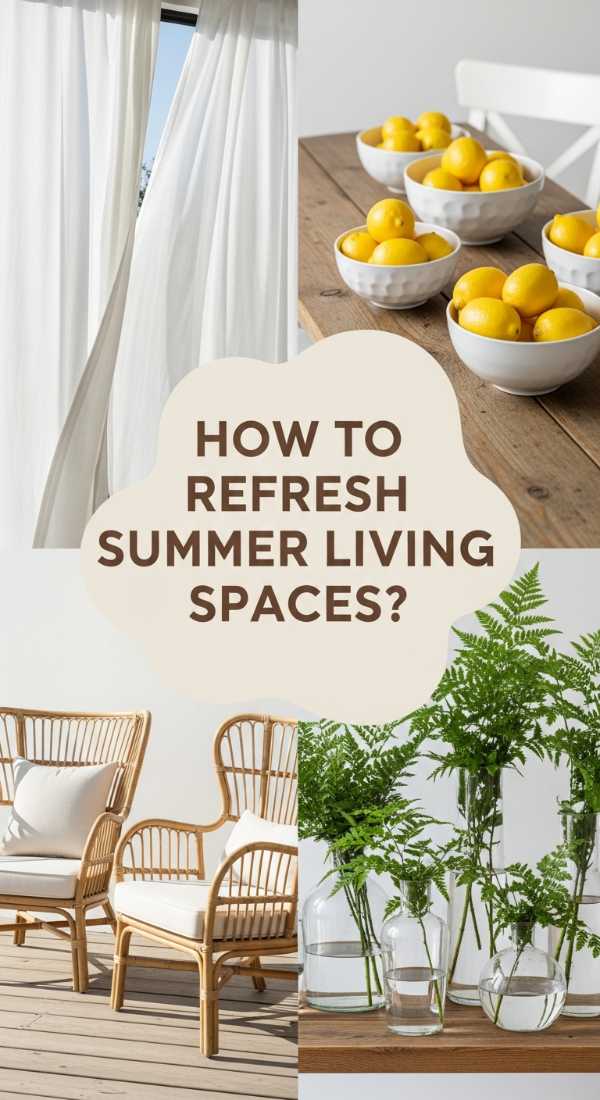
How to Refresh Summer Living Spaces for the Ultimate Breezy Feel

Why we love this
Summer decor is all about the art of subtraction and the introduction of light. We love the feeling of a room that seems to exhale, trading heavy winter velvets for the crisp, cool touch of flaxen linen and the rhythmic sway of sheer curtains. It’s about capturing that golden hour glow and letting it linger on polished wooden floors. A refreshed summer space smells like sea salt and sliced lemons, offering a sensory retreat from the sweltering heat outside while making every afternoon feel like a slow, permanent vacation.
Essential Elements:
- White or oatmeal-colored linen slipcovers
- Seagrass or sisal area rugs
- Sheer voile window treatments
- Bleached driftwood accents
- Fresh eucalyptus or palms in clear glass vases
How to make it
- Begin by ‘stripping’ the room: remove heavy drapes, dark throw pillows, and thick rugs to allow the architectural lines of the room to emerge.
- Apply slipcovers to your main seating; choose high-quality linen blends that have a slight wrinkle, as this adds to the relaxed, lived-in summer vibe without feeling messy.
- Swap out your light bulbs for ‘cool white’ or ‘daylight’ LEDs during the day, but keep dimmers low in the evening to maintain a soft, breezy glow that mimics a sunset.
- Create a ‘scent station’ by placing a bowl of citrus fruits or a diffuser with peppermint and lime oils in the entryway to immediately signal a change in season to your senses.
- Maximize airflow by arranging furniture away from windows, ensuring that every breeze can circulate freely through the space without being blocked by bulky items.
How to Incorporate India Inspired Patterns for a Rich Cultural Sanctuary

Why we love this
Indian-inspired decor is a masterclass in the balance of opulence and comfort. We are obsessed with the intricate storytelling found in block-printed fabrics and the way deep indigo, saffron, and madder red can transform a sterile room into a majestic sanctuary. These patterns carry a rhythmic energy that feels both ancient and incredibly modern. The tactile experience of running your hand over an embroidered Suzani or a carved rosewood screen adds a layer of sophisticated mystery that sparks conversation and invites long, cozy evenings of storytelling.
Essential Elements:
- Hand-block printed cotton quilts (Jaipur style)
- Ornate brass oil lamps or lanterns
- Intricately carved Sheesham wood furniture
- Silk ikat or silk-velvet bolster pillows
- Copper vessels and trays for styling
How to make it
- Select one ‘hero’ pattern—usually a large-scale floral or paisley print—and use it for your largest textile surface, such as a bedspread or floor-to-ceiling drapes.
- Layer in ‘supporting’ patterns by choosing smaller-scale geometric prints in the same color family for throw pillows and runners to create a cohesive but eclectic look.
- Integrate metallic warmth by polishing brass or copper accents and placing them near light sources; the reflection of light off these warm metals mimics the glow of an Indian palace.
- Introduce low-level seating, such as floor cushions or a low charpai-style bench, to encourage a more grounded, relaxed way of interacting with the space.
- Incorporate the scent of sandalwood or jasmine through high-quality incense or candles to complete the transportive cultural experience.
How to Achieve Coastal Serenity for a Relaxing Seaside Escape

Why we love this
Coastal serenity isn’t just about blue and white; it’s about the silence of the tide and the texture of weathered wood. We love this look because it prioritizes mental clarity, using a palette of soft greys, muted blues, and sandy beiges to soothe the nervous system. It’s like a deep breath for your home. The feeling of cool cotton against skin and the sight of light reflecting off sea-glass jars creates a sanctuary where the stresses of the modern world simply wash away, leaving you refreshed and centered.
Essential Elements:
- Overstuffed white cotton sofas
- Woven rattan or wicker storage baskets
- Capiz shell chandeliers or wall hangings
- Striped navy and cream ticking fabrics
- Natural sponges and coral-inspired sculptures
How to make it
- Paint your walls in a ‘receding’ color—a very pale blue-grey or a chalky white—which makes the walls feel further away and the room feel significantly larger and airier.
- Focus on tactile ‘shoreline’ textures: mix a chunky jute rug with smooth glass surfaces and soft, knit throws to mimic the variety of textures found at the beach.
- Use ‘negative space’ effectively; do not over-decorate every surface. Leave some areas empty to allow the eye to rest, mirroring the vastness of the ocean horizon.
- Incorporate natural elements gathered from the coast, like smooth river stones or a piece of driftwood, placing them in a simple wooden bowl as a minimalist centerpiece.
- Install sheer linen roman shades that filter the sun into a soft, hazy glow, creating that specific ‘coastal light’ that makes everything look ethereal.
How to Curate Vintage Finds for a Timeless Sophisticated Look

Why we love this
There is a thrill in the hunt for vintage pieces that mass-market furniture simply can’t provide. We love the way a mid-century sideboard or a Victorian-era oil painting adds layers of history and ‘gravitas’ to a room. It’s about the story behind the scratches and the character in the craftsmanship. Mixing vintage finds with modern elements creates a home that feels curated over time rather than bought in a weekend, resulting in a timeless, sophisticated aesthetic that reflects a truly unique personality.
Essential Elements:
- Gilded or ornate antique mirrors
- Mid-century modern teak or walnut furniture
- Velvet upholstery in moody, jewel tones
- Vintage brass candlesticks and barware
- Antique Persian or Turkish rugs
How to make it
- Identify a ‘bridge’ piece—a modern item with a classic shape—to sit alongside your vintage finds so the room feels intentional rather than like a museum.
- Scour local estate sales and thrift shops specifically for ‘high-impact’ smalls, such as heavy brass bookends or unique ceramic vases, to add instant character to bookshelves.
- Refurbish with restraint; if you find a vintage wood piece, try cleaning it with high-quality wood soap and wax rather than sanding and painting, to preserve the original patina.
- Group vintage items in ‘odd numbers’ (3, 5, or 7) on surfaces to create a gallery-like feel that looks professional and curated.
- Use art lighting, like a battery-operated brass picture light, to highlight a vintage oil painting, instantly elevating a thrifted find into a high-end focal point.
How to Design Whimsical Garden Rooms for a Magical Indoor Experience

Why we love this
The whimsical garden room is where the boundary between indoors and outdoors dissolves into pure magic. We love the lush, overgrown feel of trailing ivy cascading from high shelves and the soft, dappled light that filters through leafy canopies. It feels like stepping into a fairytale or a hidden conservatory. The air is literally cleaner, the colors are vibrantly green, and the atmosphere is one of growth and quiet wonder, making it the perfect spot for morning coffee or getting lost in a thick novel.
Essential Elements:
- Climbing plants like Pothos or English Ivy
- Birdcage-style hanging planters
- Aged zinc or stone-effect pots
- Wrought iron garden chairs with soft cushions
- Fairy lights or Edison string lights
How to make it
- Establish ‘vertical greening’ by installing floating shelves at different heights and placing trailing plants on the top shelves to create a waterfall effect of foliage.
- Use ‘mirrored illusions’ by placing a large archway mirror opposite a window to double the amount of green and light, making the room feel like a sprawling greenhouse.
- Select furniture that is typically found outdoors, such as a bistro set or a wicker lounger, to reinforce the ‘garden’ theme within the interior walls.
- Incorporate a small water feature or a tabletop fountain; the sound of trickling water is essential for creating the tranquil, magical atmosphere of a hidden garden.
- Add ‘whimsy’ through small details, like brass butterflies or mushroom-shaped lamps hidden among the leaves of your larger floor plants.
How to Create Sacred Prayer Nooks for Peace and Reflection

Why we love this
In a world that never stops shouting, a sacred prayer or meditation nook is a vital necessity. We love the intentionality of these spaces—the way they hold space for our highest thoughts and deepest silences. A well-designed nook feels physically lighter than the rest of the house, often centered around a single candle or a piece of meaningful art. It’s a sensory reset button, where the scent of frankincense and the softness of a floor cushion signal to your body that it is finally time to let go and just be.
Essential Elements:
- Comfortable floor cushions or a low zafu
- A small altar table or floating shelf
- Beeswax candles or a small Himalayan salt lamp
- Meaningful icons, scriptures, or crystals
- A soft, hand-woven throw blanket
How to make it
- Choose a quiet corner with the least amount of foot traffic; even a corner of a bedroom or a wide landing can work if it feels secluded.
- Define the boundaries of the nook with a small, circular rug to create a ‘sacred circle’ that feels separate from the rest of the room’s energy.
- Keep the palette monochromatic and soft—think muted lavenders, sage greens, or warm whites—to minimize visual distraction during reflection.
- Incorporate a ‘sensory anchor,’ such as a singing bowl or a string of prayer beads, which gives your hands something tactile to focus on during your practice.
- Ensure the lighting is dimmable or provided solely by candlelight to encourage the eyes to soften and the mind to move inward.
How to Revive Retro Aesthetic for a Fun Nostalgic Home

Why we love this
Retro decor is an injection of pure joy and personality into a home. We love the bold, unapologetic use of geometry and the ‘pop’ of colors like avocado green, mustard yellow, and burnt orange. It’s a nostalgic nod to an era that celebrated experimentation and fun. Walking into a retro-styled room feels like a warm memory; it’s tactile, playful, and doesn’t take itself too seriously. It’s the perfect style for those who want their home to be a vibrant reflection of their zest for life and love for vintage pop culture.
Essential Elements:
- Sunkissed velvet sofas with tapered legs
- Sunburst wall clocks or geometric wallpaper
- Record players and vinyl storage units
- Shag rugs or bold checkerboard patterns
- Kitsch ceramic figurines or colored glassware
How to make it
- Pick a ‘decade’ to anchor your look (the 60s for mod, the 70s for boho-funk) to ensure the room feels cohesive rather than just cluttered with old things.
- Install a feature wall using a bold, geometric peel-and-stick wallpaper; this provides an instant retro backdrop that defines the entire personality of the space.
- Focus on ‘curvy’ furniture silhouettes—think kidney-shaped coffee tables or swivel chairs—to break up the modern hard lines of most apartments.
- Display your tech as decor; a vintage-style record player or a retro-inspired kitchen mixer serves a functional purpose while doubling as a major style statement.
- Layer lighting using ‘mushroom’ lamps or globe floor lamps with warm-toned bulbs to recreate that hazy, nostalgic glow typical of mid-century interiors.
How to Arrange Cute Pastel Accents for a Soft Playful Atmosphere

Why we love this
Pastel decor is like a soft exhale for your interior. We love the ‘candy-shop’ sweetness of mint greens, blush pinks, and buttery yellows when they are used with a modern eye. This look creates a space that feels youthful, lighthearted, and incredibly cozy. It’s about the softness of a marshmallow and the clarity of a spring morning. Pastel accents bring a sense of playfulness that can brighten even the gloomiest of days, making your home feel like a gentle, protected bubble of positivity.
Essential Elements:
- Scalloped-edge furniture or pillows
- Iridescent glass vases and bowls
- Soft mohair or faux-fur throws in macaron colors
- Line-art prints in simple white frames
- Matte ceramic kitchenware in pastel shades
How to make it
- Keep your base colors (walls and large furniture) a very clean, bright white to allow the pastel accents to pop without looking ‘muddy’ or overly childish.
- Mix textures to add sophistication; pair a velvet blush pink chair with a smooth, mint-colored ceramic side table to create visual interest through contrast.
- Use ‘gradient styling’ by arranging books or decorative objects in a color-coded flow from the lightest peach to the deepest lavender on a bookshelf.
- Introduce metallic accents in rose gold or light copper to ground the pastels and add a touch of adult ‘glam’ to the playful palette.
- Focus on soft, rounded shapes; choose circular mirrors and globose vases to complement the ‘softness’ of the color scheme.
How to Layer Mexican Inspired Colors for a Bright Festive Home
[IMAGE_10]
Why we love this
There is an infectious energy in a home that embraces the bold, festive palette of Mexico. We love the fearless combination of fuchsia, marigold yellow, and cobalt blue—it’s a celebration of life itself. This style turns every day into a fiesta, filling the room with a sense of movement and heat. The vibrancy of these colors, especially when layered through traditional textiles like Otomi embroidery, creates a high-vibration environment that is impossible to be sad in. It’s daring, it’s cultural, and it’s deeply soul-stirring.
Essential Elements:
- Otomi (Tenango) embroidered wall art or pillows
- Brightly painted wooden ‘alebrijes’ (folk art)
- Papel picado-inspired window hangings
- Vibrant hand-woven table runners
- Succulents in brightly glazed ceramic pots
How to make it
- Choose one ‘foundation’ color from the Mexican palette—like a deep cobalt blue—and use it for an accent wall or a large piece of furniture to anchor the room.
- Layer textiles with abandon; do not be afraid to put a multi-colored striped runner over a solid bright tablecloth, as the ‘clash’ is part of the festive charm.
- Incorporate traditional folk art (Alebrijes or tin hearts) at eye level on gallery walls to provide intricate details that balance the large blocks of bold color.
- Use ‘natural brights’ by decorating with bowls of real limes, oranges, and pomegranates, which add organic pops of color that match the painted decor.
- Install bright, patterned tile stickers on stair risers or coffee table tops for a quick, high-impact dose of Mexican pattern and color without a permanent commitment.
Conclusion
Transforming your home from a collection of digital dreams into a tangible reality is one of the most rewarding creative journeys you can take. By focusing on the sensory details—the way a fabric feels, the way a scent lingers, and the way light transforms a corner—you can create a space that doesn’t just look like a Pinterest board, but feels like home. Remember, your space should be a living, breathing reflection of your journey. Don’t be afraid to mix these styles, experiment with bold colors, or let a room evolve slowly over time. Your dream lifestyle is already within reach; you just have to start styling it.