

Grandmillennial Dreams: How to Master the Vintage Floral Bedroom Aesthetic
Have you ever walked into a room and felt like you were being enveloped in a warm, fragrant hug from your favorite grandmother? That is the magic of the Grandmillennial aesthetic. It’s a return to the soulful, the storied, and the cozy—a rebellion against the cold, sterile minimalism that has dominated our homes for too long. For me, creating a vintage floral bedroom wasn’t just about decor; it was about reclaiming a sense of history and comfort that makes every morning feel like a slow, sun-drenched Sunday.
The ‘Grandmillennial’ look—or ‘Granny Chic’ as some affectionately call it—is all about blending the nostalgic charm of floral chintz, needlepoint, and wicker with modern sensibilities. It’s about creating a space that feels curated over time rather than bought from a showroom floor. In this guide, I’m going to walk you through exactly how to layer these elements to create your own personal sanctuary that feels timeless, romantic, and deeply personal.
How to Create a Cozy Sanctuary for Peaceful Mornings

Why we love this
There is nothing quite like waking up in a room that feels like a soft cloud of linen and nostalgia. This sanctuary approach focuses on the tactile experience—the way a heavy, quilted floral bedspread feels against your skin and the way the scent of lavender sachets drifts from your nightstand. It’s about creating a cocoon that shields you from the frantic pace of the modern world, allowing your senses to settle into a state of pure, unadulterated relaxation as the first light of day touches your face.
Essential Elements:
- High-thread-count cotton or linen sheets in cream or ivory.
- A heavy, hand-stitched floral quilt or coverlet.
- Dimmable bedside lamps with pleated fabric shades.
- A bedside carafe for fresh water.
- Plush area rugs to cushion your feet upon waking.
How to make it
- Begin by stripping your bed to the mattress and ‘tempering’ your space with a high-quality mattress topper; this is the base layer that ensures physical comfort matches the visual softness.
- Layer your sheets, ensuring you use the ‘hospital corner’ fold for a crisp, hotel-like base, but leave the top edge slightly loose to maintain that lived-in, cozy cottage feel.
- Prepare your quilt by steaming out any harsh fold lines; you want the fabric to look supple and soft, not rigid. Drape it over the bed, allowing it to hang evenly on all sides to create a visual weight that grounds the room.
- Set your lighting ‘heat level’ by choosing warm-toned LED bulbs (2700K); the visual cue for ‘doneness’ here is a soft, golden glow that doesn’t create harsh shadows on the floral patterns.
- Finish by ‘seasoning’ the air with a light mist of linen spray, choosing scents like chamomile or rose to anchor the morning mood.
How to Master Grandmillennial Style for a Sophisticated Retreat
Why we love this
The Grandmillennial style is a sophisticated dance between the old and the new, celebrating heirloom quality without feeling like a museum. We love it because it allows for high-contrast patterns—think bold chintz paired with crisp stripes—that create a visual rhythm that is both energetic and grounding. It’s the feeling of drinking tea from a fine bone china cup while scrolling on a tablet; it bridges the generational gap with grace and a heavy dose of charm.
Essential Elements:
- Chintz or toile upholstery and drapery.
- Rattan or wicker accent furniture.
- Needlepoint pillows with whimsical or floral motifs.
- Scalloped edges on linens and lampshades.
- Modern art in vintage-style gold frames.
How to make it
- Select your ‘lead pattern’—this is usually a large-scale floral chintz—and apply it to a major surface like the headboard or floor-to-ceiling drapes to establish the flavor profile of the room.
- Incorporate ‘texture breaks’ by adding a wicker chair or a rattan side table; the visual cue for success is a balance between the busy patterns and the natural, organic textures of the wood.
- Apply the ‘rule of three’ for your accents: one vintage item (like a needlepoint pillow), one modern item (a sleek glass vase), and one organic item (a fresh bouquet) to ensure the look stays sophisticated.
- Tune your color palette by picking one minor color from your floral fabric and repeating it in solid blocks, such as a velvet throw or a painted nightstand, to simmer the visual intensity.
- Finalize the retreat by arranging books with beautiful spines on the nightstand, ensuring they are stacked vertically and horizontally to create a curated, intellectual atmosphere.
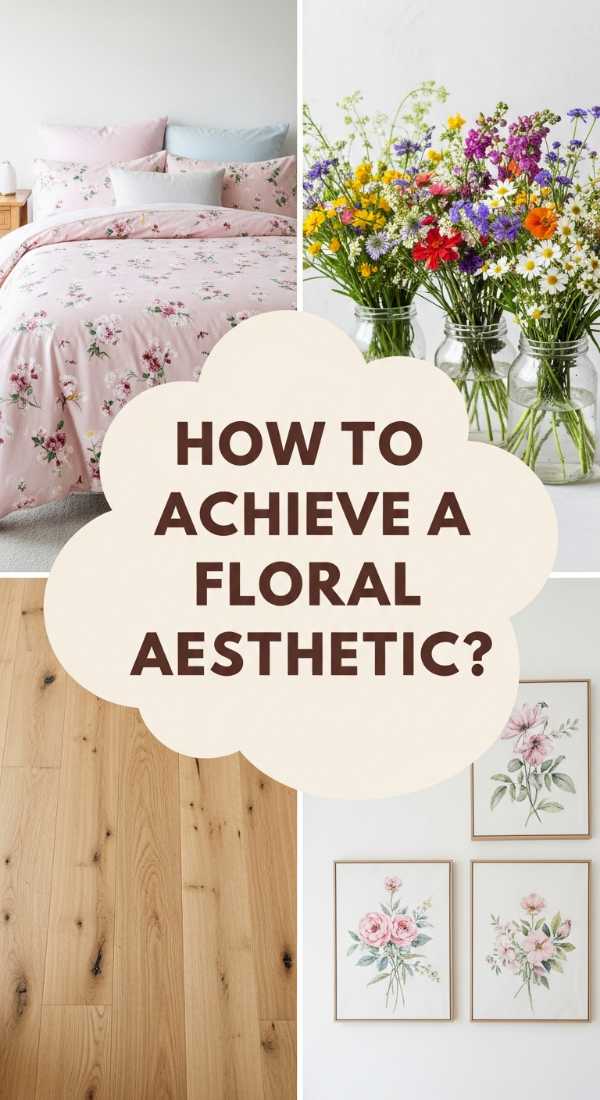
How to Achieve a Floral Bedroom Aesthetic for Eternal Springtime

Why we love this
Imagine a room where winter never arrives and the flowers are always in bloom. A floral-heavy aesthetic brings a sense of life and vitality into the bedroom that is incredibly rejuvenating. We love the way botanical prints can transform a dull wall into a sprawling garden, filling the room with a sense of growth and optimism. The sensory delight comes from the visual ‘perfume’ of the patterns, which seem to vibrate with the energy of a meadow in mid-May.
Essential Elements:
- Botanical wallpaper or large-scale floral murals.
- Pressed flower frames for wall art.
- Floral-patterned duvet covers and pillow shams.
- Fresh or high-quality silk floral arrangements.
- A soft green or dusty rose color palette.
How to make it
- Start by ‘priming’ your walls with a botanical wallpaper; if you’re a beginner, use peel-and-stick versions to allow for adjustments in alignment—the visual cue for doneness is a seamless transition between pattern repeats.
- Layer your bedding by mixing scales; use a ‘ditsy’ (tiny) floral print for the sheets and a ‘maxi’ floral for the duvet to prevent the patterns from competing for attention.
- Introduce ‘living accents’ by placing fresh cut flowers in clear glass vases, ensuring the water is changed daily to maintain the ‘fresh energy’ of the room’s theme.
- Balance the floral ‘heat’ with solid, neutral blocks; if the walls and bed are floral, keep the flooring and ceiling a clean, crisp white to act as a palate cleanser for the eyes.
- Inspect the room during the brightest part of the day; the light should catch the floral details without washing them out, giving the impression that the room is naturally glowing.
How to Design an English Cottage Space for Rustic Comfort

Why we love this
The English Cottage look is all about the beauty of imperfection and the warmth of a lived-in space. It feels like a retreat in the Cotswolds, where the floors might creak slightly and the wood is aged to a perfect patina. We love this because it prioritizes comfort over formality—think chunky knit throws, iron bed frames, and a stack of well-loved books. It’s a sensory experience of rough-hewn wood, soft wool, and the comforting ‘clink’ of a ceramic mug on a wooden coaster.
Essential Elements:
- Wrought iron or dark wood bed frame.
- Plaid or gingham wool throws.
- Exposed wooden beams or rustic wooden chests.
- Stone or ceramic jugs used as vases.
- Hooked or braided rugs.
How to make it
- Establish your ‘anchor’ with a heavy wrought iron bed frame; its dark, thin lines provide a necessary structure against the softer elements of the cottage style.
- ‘Cure’ the wood in the room by using beeswax or a light wood oil on any vintage chests; the goal is a soft, matte sheen rather than a high-gloss finish.
- Layer your textiles starting with a base of linen, followed by a heavy wool plaid throw at the foot of the bed; the visual cue is a ‘layered’ look that suggests warmth and protection.
- Arrange your ‘rustic vignettes’ on top of chests using ceramic crocks filled with dried lavender or wildflowers, keeping the arrangement slightly asymmetrical for an effortless feel.
- Monitor the ‘hygge level’ by ensuring there are no bare, cold surfaces; every corner should have a soft element, whether it’s a small rug or a draped piece of fabric.
How to Cultivate a Romantic Mood for the Ultimate Relaxation
Why we love this
Romance in design isn’t just for couples; it’s about a romanticized relationship with your own space. This aesthetic is all about softness, fluidity, and indulgence. We love the way a canopy of sheer fabric can make a bed feel like a secret world, and how the flicker of a candle reflects off a vintage mirror. It’s a sensory feast of silk, lace, and the hushed tones of a room designed for dreaming, providing the ultimate escape from the stresses of daily life.
Essential Elements:
- A canopy or four-poster bed with sheer draping.
- Silk or velvet accent pillows in jewel tones.
- Votive candles and ornate candelabras.
- An oversized vintage mirror with a gilded frame.
- Lace trim on pillowcases or curtains.
How to make it
- Install your canopy by securing sheer, lightweight fabric to the ceiling or bed posts; ensure the fabric ‘puddles’ slightly on the floor for a visual cue of luxury and abundance.
- ‘Slow-cook’ the atmosphere by layering your lighting; use a mix of low-wattage lamps and candles to create a flickering, multi-dimensional glow that softens the room’s edges.
- Incorporate ‘sensory touchpoints’ like a velvet bench at the foot of the bed; the contrast between the cool silk of the sheets and the warm velvet provides a rich tactile experience.
- Position a large gilded mirror opposite the window to catch and bounce soft light throughout the day, ensuring the ‘glow’ reaches even the darkest corners of the room.
- Finish the mood by adding a small ‘indulgence station’ on your vanity with vintage perfume bottles and a silk tray for jewelry.
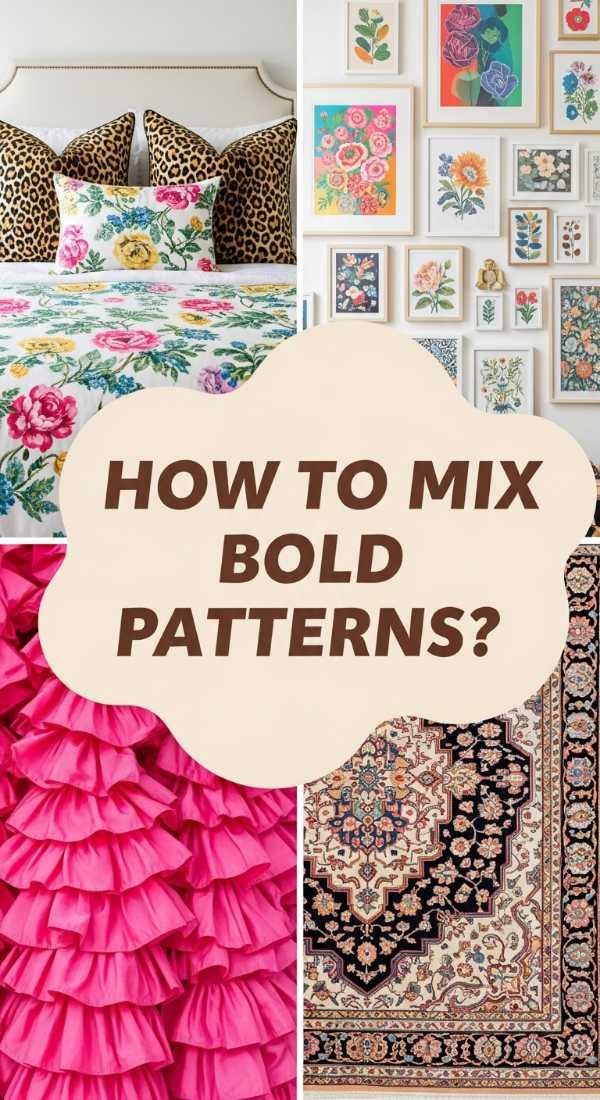
How to Mix Bold Patterns for a Maximalist Dreamland

Why we love this
Maximalism is a celebration of ‘more is more,’ and when done with a vintage floral twist, it becomes a vibrant dreamland. We love the fearlessness of this look—the way a leopard print rug can somehow perfectly complement a wall of rose-patterned wallpaper. It’s a visual feast that tells a story of a life well-traveled and a personality that refuses to be contained. The sensory experience is one of constant discovery, as your eye finds new details and connections every time you enter the room.
Essential Elements:
- A mix of at least three different pattern types (floral, geometric, striped).
- A consistent color palette to tie different patterns together.
- Bold, saturated wall colors or intense wallpapers.
- Gallery walls featuring eclectic art.
- Statement furniture in contrasting colors.
How to make it
- Select your ‘color anchor’—choose two or three main colors that will appear in every pattern you use; this is the ‘glue’ that keeps the maximalism from becoming chaos.
- Layer your floor with a large geometric or animal print rug, then ‘stack’ a smaller floral rug on top for an instant boost of visual complexity and warmth.
- When mixing patterns, follow the ‘size rule’: use one large-scale print (like the wallpaper), one medium-scale print (the duvet), and several small-scale prints (the throw pillows).
- Monitor the ‘visual weight’ by ensuring the patterns are distributed evenly around the room; if one corner is ‘too heavy’ with patterns, balance it with a bold, solid-colored chair.
- Add a gallery wall where the frames are of different styles but all share a gold or wood finish to create a sense of ‘curated mess’ that looks intentional.
How to Curate Timeless Elegance for a Classic Bedroom Look

Why we love this
There is a quiet power in timeless elegance. This approach takes the best of vintage floral design and applies it with a restrained, classic hand. We love it because it never goes out of style; it’s the design equivalent of a pearl necklace. The sensory experience is one of order and calm, where every object has its place and the quality of the materials—the solid wood, the heavy brass, the fine weave of the fabric—speaks for itself without needing to shout.
Essential Elements:
- Symmetrical furniture layout (matched nightstands and lamps).
- Traditional floral patterns like Toile de Jouy.
- High-quality mahogany or walnut furniture.
- Brass hardware and light fixtures.
- Neutral base colors like taupe, slate, or cream.
How to make it
- Establish symmetry by centering the bed on the main wall and flanking it with identical nightstands; the visual cue for ‘elegance’ is the perfect mirror image of the two sides.
- ‘Sear’ the look with high-quality hardware; replace standard drawer pulls with solid brass versions to add a touch of timeless weight to the furniture.
- Choose a classic Toile pattern for your window treatments, ensuring the ‘drop’ is exactly half an inch above the floor for a tailored, professional finish.
- Invest in ‘heritage pieces’—a well-made wooden dresser or a classic wingback chair; the cue for doneness is furniture that feels heavy and permanent, not flimsy.
- Maintain a ‘clean palette’ by limiting the floral pattern to just two areas (like the bed and the curtains) to keep the room feeling airy and sophisticated.
How to Bring the Garden Indoors for Fresh Energy
Why we love this
Bringing the garden indoors is about more than just aesthetics; it’s about the air we breathe and the life we share our space with. We love the way living plants interact with floral fabrics, creating a 3D garden effect that feels lush and vibrant. The sensory experience includes the earthy smell of damp soil after watering, the soft rustle of leaves in the breeze, and the sight of green shoots climbing up a vintage trellis or shelf.
Essential Elements:
- A variety of indoor plants (ferns, ivy, peace lilies).
- Terracotta or vintage ceramic pots.
- A dedicated plant stand or a window garden.
- Hanging planters to utilize vertical space.
- Natural light-enhancing sheer curtains.
How to make it
- Assess your ‘light levels’ to determine which plants will thrive; place ferns in lower-light corners and flowering plants like begonias near the windows for optimal ‘growth heat.’
- ‘Pot up’ your greenery in a mix of vintage vessels; use old tea tins for small succulents or large ceramic crocks for floor plants to maintain the vintage aesthetic.
- Cluster your plants in groups of three at varying heights; the visual cue for a ‘lush’ look is when the leaves overlap slightly, mimicking the natural layering of a forest floor.
- Incorporate ‘living textures’ by training climbing ivy to grow around a bedpost or a mirror frame, securing it with clear, non-damaging clips.
- Ensure the ‘freshness’ by misting your plants every morning; the visual cue for health is a deep, glossy green that contrasts beautifully with your floral fabrics.
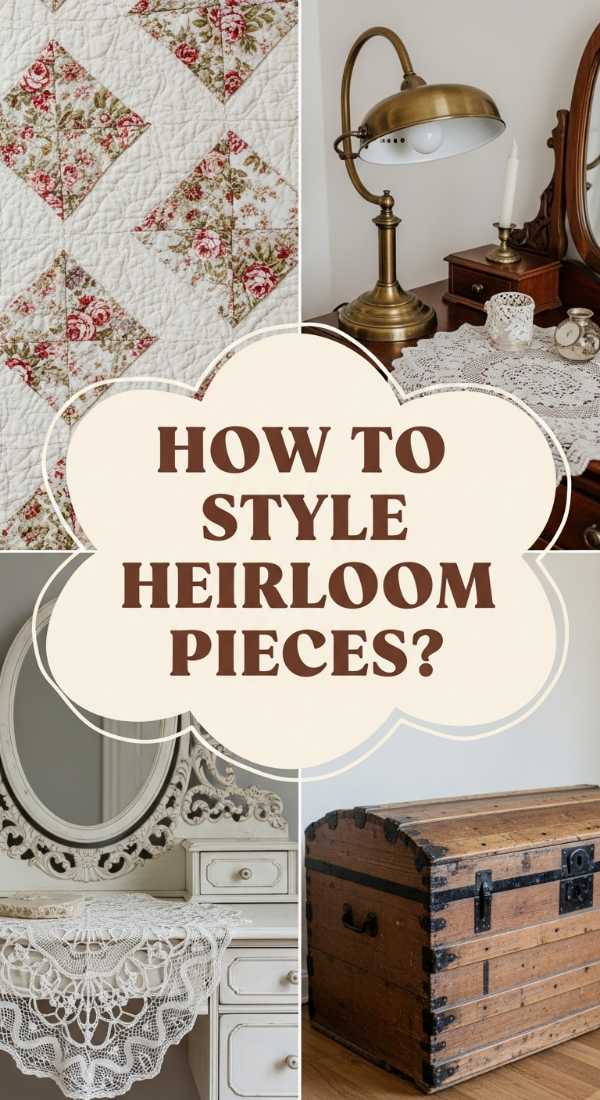
How to Style Heirloom Pieces for Vintage Character

Why we love this
Heirloom pieces are the heartbeat of a Grandmillennial bedroom. They carry stories, history, and a soul that new furniture simply cannot replicate. We love the character found in a slightly tarnished silver tray or a hand-me-down vanity with a worn-out seat. These pieces provide a sense of continuity and belonging, making the room feel like a collection of memories rather than just a set of furniture. It’s the sensory joy of touching a surface that has been smoothed by decades of use.
Essential Elements:
- An antique vanity or dressing table.
- Vintage mirrors with age-related ‘foxing’ (spots).
- Hand-embroidered linens or lace doilies.
- Antique trunks used as footboards or storage.
- Personal family photos in mismatched vintage frames.
- Old-fashioned jewelry boxes.
How to make it
- Source your ‘hero piece’ from an estate sale or an attic—look for a piece with ‘good bones’ like a solid oak vanity, even if the finish is imperfect.
- ‘Restore’ the character by cleaning the piece with a gentle oil-based soap; do not over-polish, as the goal is to keep the patina of age which is the visual cue for ‘authenticity.’
- Style your vanity by layering an embroidered doily under a collection of glass perfume bottles; the ‘recipe’ for a vintage vignette is a mix of glass, fabric, and metal.
- Incorporate family history by displaying old photos in frames that share a similar ‘aging’ (like tarnished silver or chipped gold), creating a cohesive historical narrative on your walls.
- Check the ‘character balance’; if the room feels too old-fashioned, add one modern element like a contemporary lamp to ‘brighten’ the vintage flavor.
How to Capture Soft Morning Light for a Glowing Aura
[IMAGE_10]
Why we love this
Light is the final, most important ingredient in any bedroom aesthetic. Soft morning light, filtered through sheer curtains and bouncing off floral patterns, creates an ethereal, glowing aura that makes the room feel magical. We love the way it wakes you up gently, highlighting the textures of the fabric and the dust motes dancing in the air. It’s a sensory experience of warmth on your skin and a visual ‘softening’ of the entire world, signaling a fresh start every single day.
Essential Elements:
- Sheer white or cream lace curtains.
- Light-colored walls (soft whites, pale yellows, or pastels).
- Mirrored surfaces to reflect light.
- Strategic window placement (East-facing is best for morning light).
- Reflective metallic accents (gold, silver, or brass).
How to make it
- Maximize your ‘light intake’ by removing heavy blinds and replacing them with layered sheers; the visual cue for success is a bright, diffused light that eliminates harsh glares.
- Position a large mirror directly opposite your primary window; this acts as a ‘light amplifier,’ bouncing the morning sun into the deeper parts of the room.
- Choose a ‘glow-friendly’ wall paint with a satin or eggshell finish; these finishes have a slight sheen that ‘cooks’ the light, making the walls appear to radiate rather than just absorb it.
- Incorporate metallic accents like a brass lamp or a silver tray on the nightstand; these small ‘hot spots’ will catch the light and create a sparkling effect as the sun moves.
- Monitor the ‘light timing’; observe the room at 7 AM, 9 AM, and 11 AM to see how the aura changes, adjusting your curtain folds to capture the best ‘flavor’ of the sun’s path.
Conclusion
Mastering the vintage floral bedroom aesthetic is a journey of rediscovering the beauty in the details. It’s about more than just buying the right wallpaper; it’s about cultivating a space that reflects your personality, honors the past, and provides a true sanctuary for your soul. Whether you go full maximalist or keep it cottage-simple, remember that the most important element is how the room makes you feel. So, go ahead—embrace the chintz, find that perfect heirloom, and let your Grandmillennial dreams take root. Your perfect, flower-filled morning is just a few design choices away!