
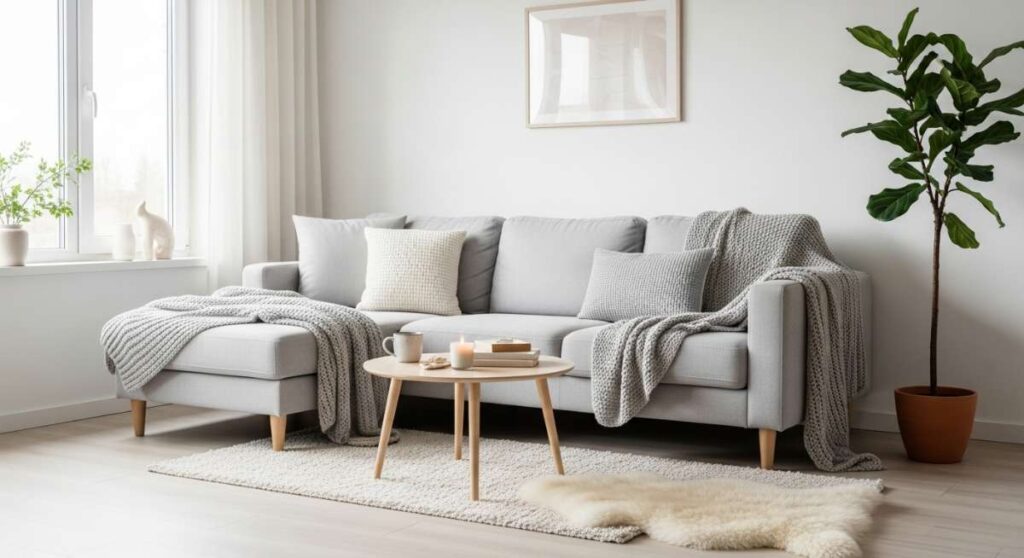
How to Master the Art of a Hygge-Inspired Minimalist Home
Have you ever walked into a room and felt an instant weight lift off your shoulders? That’s the magic of a home that perfectly balances the airy clarity of minimalism with the soul-warming embrace of hygge. For years, I thought minimalism meant cold white walls and uncomfortable chairs, but then I discovered that true style isn’t about having nothing—it’s about having exactly what you need to feel deeply at peace. It’s about that specific moment when the afternoon sun hits a soft wool blanket and you have a hot cup of tea in your hand.
Creating a hygge-inspired minimalist home is a journey of intentionality. It’s about stripping away the digital noise and physical clutter of the outside world to reveal a sanctuary that smells like cedarwood and feels like a warm hug. In this guide, I’m sharing how to curate every corner of your living space to foster relaxation, presence, and a sense of quiet luxury that doesn’t cost a fortune but feels like a million dollars.
How to Design a Cozy Minimalist Living Room for Ultimate Relaxation

Why we love this
There is something profoundly restorative about a living room that breathes. We love this approach because it replaces visual chaos with sensory delights: the tactile crunch of a jute rug beneath your feet, the soft flickering glow of a soy candle on a reclaimed wood table, and the way a single, oversized linen pillow invites you to sink in and stay a while. It’s a space that doesn’t demand your attention with bright colors or gadgets, but instead whispers for you to slow down and breathe deeply while the scent of fresh eucalyptus lingers in the air.
Essential Elements:
- Neutral-toned linen sofa
- Natural wood coffee table
- Hand-woven wool throw blanket
- Single statement ceramic vase
- Ambient floor lamp with warm-toned bulb
How to make it
- Begin by clearing every single surface in the room until you are left with only the foundational furniture; this creates a blank canvas for your intentions.
- Select a primary neutral color palette—think oatmeal, stone, and soft taupe—and ensure your largest piece, the sofa, anchors the room in one of these tones.
- Layer in exactly three different textures to prevent the space from feeling flat: a chunky knit throw for softness, a smooth wooden bowl for warmth, and a stone coaster for an earthy touch.
- Position your seating to face a natural focal point like a window or fireplace rather than a television, which encourages conversation and presence.
- Install ‘warm’ LED bulbs (2700K) in all lamps to mimic the golden hour glow, avoiding harsh overhead lighting at all costs.
How to Style a Small Living Room for a Cozy Apartment Aesthetic

Why we love this
Small spaces have a unique superpower: they are naturally intimate. We love styling small apartments with a hygge-minimalist lens because it turns a ‘cramped’ feel into a ‘cocoon’ feel. Imagine a sun-drenched corner where a sheer curtain dances in the breeze, reflecting off a strategically placed mirror that makes the room feel twice as large. It’s about the cozy aroma of a small espresso machine and the satisfaction of a perfectly organized bookshelf where every object has a story to tell.
Essential Elements:
- Multi-functional storage ottoman
- Sheer linen window treatments
- Large wall mirror with a thin frame
- Potted tall snake plant
- Low-profile armchairs
How to make it
- Choose furniture with ‘legs’ rather than pieces that sit flat on the floor; seeing more of the floor creates an optical illusion of more space.
- Mount a large mirror on the wall opposite your primary light source to bounce natural light into the darkest corners of the apartment.
- Use vertical space by installing floating shelves, but keep them sparse—only display items that bring you genuine joy or serve a daily purpose.
- Stick to a monochromatic color scheme for the walls and curtains to reduce visual breaks, making the boundaries of the room feel seamless and expansive.
- Incorporate a ‘living’ element, like a tall plant, to add height and a sense of freshness that prevents a small room from feeling stagnant.
How to Master Minimalist Room Decor for a Peaceful Vibe
Why we love this
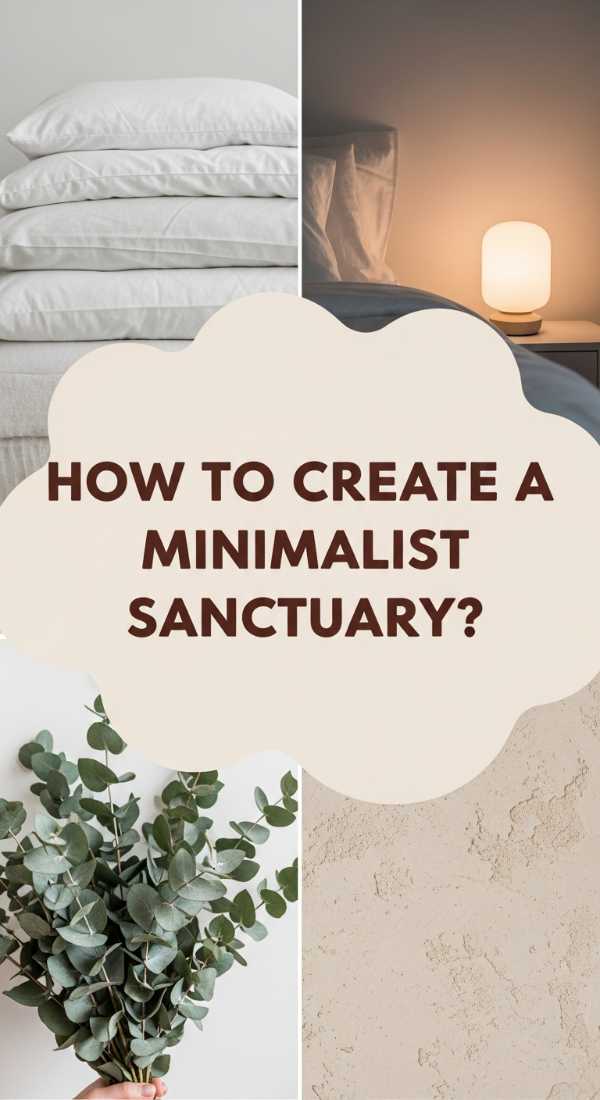
Minimalist decor is the art of ‘enough.’ We love this because it removes the ‘decision fatigue’ of a cluttered home. When you walk into a room with refined decor, your eyes land on a beautiful piece of pottery or a single sprig of dried lavender, rather than a pile of mail. It creates a serene, museum-like atmosphere that is still deeply livable—a place where the silence is golden and the atmosphere feels as light as a cloud.
Essential Elements:
- Matte ceramic trays
- Neutral abstract line art
- Dried botanical stems
- Candle snuffers and wick trimmers
- Natural stone bookends
How to make it
- Curate your surfaces by following the ‘Rule of Three’: group objects of varying heights together (e.g., a tall vase, a medium candle, and a small tray) to create visual balance without clutter.
- Select art that features negative space; large, minimalist prints with thin frames provide a sophisticated focal point without overwhelming the walls.
- Organize everyday items into beautiful containers, such as placing television remotes in a leather tray or matches in a glass cloche.
- Dust and polish your surfaces weekly with a natural lemon-scented cleaner to maintain the crisp, clean aesthetic that minimalism demands.
- Rotate your decor seasonally—bring in dried wheat in the fall and fresh greenery in the spring—to keep the minimalist vibe feeling dynamic and connected to nature.
How to Create a Cozy Minimalist Sanctuary for Better Sleep

Why we love this
The bedroom should be a temple of rest. We love a cozy minimalist sanctuary because it prioritizes the sensory experience of sleep over the visual noise of storage. Picture cool, crisp cotton sheets, the faint scent of lavender oil on your pillow, and a room devoid of blue light or tangled charging cords. It’s about creating a space where your mind knows exactly what to do the moment you cross the threshold: shut down and recover.
Essential Elements:
- High-thread-count organic cotton bedding
- Weighted blanket in a neutral hue
- Blackout linen curtains
- Essential oil diffuser
- Solid wood bedside table
How to make it
- Remove all electronics, including televisions and charging docks, to a separate room to eliminate the ‘alert’ mindset from your sleeping space.
- Invest in high-quality, layered bedding: start with a fitted sheet, add a heavy duvet, and top with a textured quilt for both warmth and visual depth.
- Keep the nightstand completely clear except for a glass of water, a book, and a small lamp with a low-wattage bulb.
- Use floor-to-ceiling blackout curtains in a heavy fabric that matches the wall color to create a seamless, ‘den-like’ environment that blocks out street noise and light.
- Introduce a calming scent ritual by diffusing a blend of cedarwood and lavender 30 minutes before you intend to lie down.
How to Elevate Minimalist Living Room Small Spaces for Modern Living

Why we love this
Modern living often means making the most of every square inch without sacrificing style. We love this look because it uses sleek, architectural lines to define a space while using soft textiles to keep it from feeling cold. It’s the perfect intersection of a high-end gallery and a cozy Sunday morning, where every piece of furniture is a work of art that also happens to be the perfect place for a nap.
Essential Elements:
- Mid-century modern tapered leg sofa
- Glass or acrylic coffee table
- Hidden cord management boxes
- Smart lighting systems
- Wall-mounted shelving units
How to make it
- Opt for a ‘floating’ layout where furniture is pulled away from the walls by a few inches, creating a sense of airiness even in tight quarters.
- Use a glass or transparent acrylic coffee table to provide a surface for your coffee without adding ‘visual weight’ to the center of the room.
- Conceal all technological clutter by using cord organizers and mounting power strips to the underside of desks or tables.
- Implement smart lighting that can be dimmed via voice or phone, allowing you to transition from a bright ‘work’ mode to a soft ‘hygge’ mode instantly.
- Choose a large-scale rug that extends under all pieces of furniture to ‘ground’ the room and make the small footprint feel unified.
How to Arrange Minimalist Cozy Spaces for a Grounded Feel

Why we love this
A grounded space feels permanent and steady. We love this approach because it leans heavily on the ‘earth’ element—raw woods, heavy stones, and low-slung furniture that keeps you close to the floor. It’s the feeling of stability you get when sitting on a thick rug with a low table, surrounded by the natural grain of oak and the cool touch of marble. It’s decor that feels like it has roots.
Essential Elements:
- Low-profile floor cushions
- Solid oak side tables
- Travertine or marble trays
- Natural jute or sisal rug
- Hand-thrown stoneware mugs
How to make it
- Select furniture with a low center of gravity—low sofas and coffee tables—to create a more relaxed and informal atmosphere that encourages lounging.
- Incorporate ‘raw’ materials that haven’t been over-processed, such as a coffee table with a live edge or a rug made from un-dyed wool.
- Define specific zones using rugs; even in an open-concept room, a rug creates a ‘boundary’ that makes a cozy nook feel protected and separate.
- Keep the walls mostly bare to draw the eye downward toward the textures and ‘grounded’ elements of the furniture.
- Arrange seating in a circular or semi-circle pattern to foster a feeling of inclusivity and connection between people in the space.
How to Achieve a Minimalist Home Look for Effortless Elegance

Why we love this
Effortless elegance is the holy grail of interior design. We love this because it looks like you aren’t trying too hard, yet everything is perfect. It’s the crispness of white walls paired with the richness of a single velvet pillow, and the way a room looks just as good in the morning light as it does by candlelight. It’s a timeless aesthetic that celebrates quality over quantity and exudes a quiet, confident luxury.
Essential Elements:
- White or off-white wall paint (satin finish)
- Velvet or high-end fabric accents
- Brass or gold hardware
- Framed black and white photography
- Fresh white floral arrangements
How to make it
- Paint your walls a consistent, high-quality white with warm undertones to create a bright, clean backdrop that reflects light beautifully.
- Upgrade your hardware: swap standard drawer pulls and knobs for brushed brass or matte black versions for an instant, inexpensive luxury upgrade.
- Choose one ‘hero’ piece for each room—like a designer lamp or a large-scale art piece—and let it be the star by keeping everything else understated.
- Incorporate fresh flowers, specifically white lilies or hydrangeas, in a simple glass vase to add a living, breathing sense of elegance.
- Hide all plastic items; replace soap dispensers with glass or ceramic bottles to ensure even the most functional items look sophisticated.
How to Curate Decor Minimalist Accents for a Refined Home

Why we love this
The beauty is in the details. We love curating minimalist accents because it’s like editing a short story—every word, or in this case, every object, must be perfect. It’s the smooth curve of a sculptural candle, the texture of a handmade ceramic bowl, and the way a single branch of olive leaves can transform a kitchen counter. These small touches provide the ‘soul’ of a minimalist home without cluttering the physical space.
Essential Elements:
- Sculptural soy wax candles
- Linen-bound coffee table books
- Woven seagrass baskets
- Matte black candle holders
- Soft linen napkins
How to make it
- Curate your bookshelf by turning book spines inward or covering them in neutral paper to maintain a cohesive, calming color palette.
- Add a ‘sculptural’ element to every room, such as a uniquely shaped vase or a piece of driftwood, to provide visual interest and a conversation starter.
- Use woven baskets to corral necessary but unsightly items like blankets, dog toys, or magazines, keeping them accessible but hidden.
- Select scents that match the visual vibe—opt for sophisticated notes like sandalwood, amber, or bergamot to reinforce the ‘refined’ atmosphere.
- Group your accents in odd numbers (1, 3, or 5) and leave plenty of ’empty space’ around them to ensure they stand out as intentional choices.
How to Refine Living Room Decor Minimalist Styles for a Timeless Home

Why we love this
Timelessness is the ultimate form of sustainability. We love refining a minimalist living room with classic elements because it means you’ll never feel the need to ‘redecorate’ next season. It’s about the smell of old leather, the sturdiness of a well-made wooden chair, and a layout that works as well today as it will in twenty years. It’s a home that matures with you, getting better and more ‘hygge’ as the furniture develops a beautiful patina.
Essential Elements:
- Leather accent chair
- Wool area rug in a classic pattern
- Black metal floor lamps
- Solid wood shelving
- Classic linen drapery
How to make it
- Invest in ‘investment pieces’—choose one high-quality leather chair or a solid wood table that will last a lifetime rather than buying cheap, disposable furniture.
- Stick to a classic color theory of 60% neutral, 30% secondary tone (like soft grey), and 10% accent (like deep forest green or navy).
- Avoid ‘trendy’ shapes; opt for clean lines, square edges, or perfect circles that have been staples of design for decades.
- Use natural fabrics like wool, silk, and linen that age gracefully and feel better against the skin than synthetic alternatives.
- Keep the floor plan open and traffic-friendly, ensuring there is a clear path through the room that doesn’t feel obstructed.
How to Balance Minimalist Room Elements for a Warm Atmosphere
[IMAGE_10]
Why we love this
Balance is where the magic happens. We love this because it solves the biggest complaint about minimalism—that it’s too ‘cold.’ By carefully balancing hard lines with soft fabrics and cool colors with warm lights, you create a space that feels both modern and incredibly inviting. It’s that feeling of coming home to a space that is clean and organized, yet warm enough that you want to kick off your shoes and stay forever.
Essential Elements:
- Dimmable light switches
- Faux fur or shearling rugs
- Copper or bronze accents
- Potted succulents and ferns
- Textured wall hangings
How to make it
- Conduct a ‘temperature check’ of your room: if you have a lot of cool blues or greys, balance them with warm wood tones or brass accents.
- Layer your lighting using the ‘three-point’ rule: an overhead light (on a dimmer), a task light (lamp), and an accent light (candle or fairy lights).
- Introduce ‘softness’ to hard surfaces; place a sheepskin or faux-fur throw over a wooden bench or a metal chair to bridge the gap between styles.
- Use plants to add ‘organic’ lines—the wild, unpredictable growth of a plant softens the rigid, straight lines of minimalist furniture.
- Ensure there is always a ‘tactile’ invitation in the room, such as a basket of soft slippers by the door or a stack of soft quilts near the sofa.
Conclusion
Mastering a hygge-inspired minimalist home isn’t about reaching a destination of perfection; it’s about the daily practice of choosing peace over clutter. By focusing on sensory textures, warm lighting, and intentional decor, you create more than just a beautiful house—you build a sanctuary that supports your well-being. Remember, the best ‘minimalist’ accessory is the space you leave for your own happiness to grow.