

Imagine walking through your front door after a day of chaotic noise and neon lights, only to be greeted by a hush that feels like a physical embrace. Your home shouldn’t be just a place where you store your belongings; it should be a living, breathing sanctuary that restores your soul. Aesthetic minimalism isn’t about having nothing; it’s about having enough of the right things—those pieces that resonate with your spirit and provide a canvas for your life to unfold beautifully.
We often find ourselves trapped in the cycle of ‘more,’ thinking the next purchase will finally complete the room. But true luxury is found in the negative space—the breath between the notes. When we curate our surroundings with intention, we create a ‘Quiet Beauty’ that speaks volumes. It’s the texture of a raw linen cushion against your skin and the way a single stem of eucalyptus catches the morning light. Let’s dive into how you can transform your everyday environment into a high-end, minimalist retreat.
How to Curate a Cozy Minimalist Living Room for Total Inner Calm

Why we love this
This approach transforms a house into a haven by prioritizing the sensory experience of calm over the visual noise of excess. We love how the scent of a cedarwood candle seems to linger longer in a room that isn’t crowded, and how the tactile contrast of a smooth stone tray against a plush wool rug grounds the nervous system instantly. It is the ultimate luxury to sit in a space where every object has a purpose, allowing your mind to finally stop scanning for clutter and start focusing on the present moment, wrapped in the warmth of soft, amber-toned lighting.
Essential Elements:
- Neutral-toned linen or bouclé sofa
- Hand-woven wool area rug in cream or oatmeal
- A single large-scale ceramic floor vase
- Soft-white dimmable floor lamps (2700K color temperature)
- A curated selection of 2-3 coffee table books with textured covers
How to make it
- De-clutter to the Base Layer: Begin by removing every single item from the room except the largest furniture pieces. This is your ‘prep’ phase. Clean all surfaces thoroughly to ensure a ‘fresh palate’ for your design.
- Calibrate the ‘Heat’ of the Lighting: Swap out any cool-toned or blue-light bulbs for warm, soft-white LEDs. Place lamps at varying heights to create ‘pools’ of light rather than a harsh overhead glare, ensuring the ‘simmer’ of the room is cozy.
- Layer the Textures for Warmth: Drape a heavy-knit throw over the arm of your sofa. Ensure the texture is visible from across the room. Use the ‘pinch test’ on your cushions—they should be feather-filled for a soft, lived-in look rather than stiff foam.
- The ‘Slow Pour’ of Decor: Introduce only one decorative object at a time. Place a vase, then walk away for ten minutes. Return and see if the room feels ‘full’ or if it needs one more accent. This visual ‘reduction’ technique prevents over-seasoning the space.
- Visual Cues for Doneness: The room is ‘done’ when you can stand at the entrance and your eye travels in a smooth, continuous line without getting ‘stuck’ on any single cluttered corner.
How to Layer Minimalist Room Decor for the Ultimate Serene Sanctuary

Why we love this
Layering in minimalism is the secret ingredient that prevents a space from feeling cold or clinical. We adore the way a sheer linen curtain filters the harsh midday sun into a soft, milky glow that illuminates the grain of a light oak side table. It’s about the subtle interplay of shadows and light that adds depth without adding ‘stuff.’ When you layer tone-on-tone whites and beiges, you create a rich, multi-dimensional atmosphere that feels like being wrapped in a cashmere blanket, providing a sanctuary where the soul can truly breathe and recharge.
Essential Elements:
- Sheer floor-to-ceiling linen drapes
- Mixed-material decorative trays (wood, marble, or metal)
- Nested coffee tables of varying heights
- Textured wall art in monochromatic shades
- Dried botanicals like pampas grass or honesty (lunaria)
How to make it
- Foundation Prep: Start with your wall color as the base. It should be a ‘breathable’ white or very light greige. Ensure the paint is matte to prevent light bounce, which can feel ‘noisy.’
- Vertical Layering: Hang your curtain rod 6 inches above the window frame and let the fabric ‘puddle’ slightly on the floor. This adds a visual ‘softness’ to the room’s edges.
- The Rule of Three: On surfaces like coffee tables, arrange items in a triangle. Use a flat tray (base), a medium-height book (middle), and a tall candle or vase (top). This creates ‘visual heat’ and interest.
- Material Infusion: Mix hard and soft elements. If you have a marble table, top it with a wooden bowl. The ‘cooking’ tip here is to balance the ‘cold’ stone with the ‘warm’ wood to reach a perfect room temperature.
- Check the Consistency: Move around the room. If any area feels ‘thin,’ add a layer of texture (like a small rug over a larger one). Your visual cue for completion is a sense of balanced ‘weight’ in every quadrant.
How to Master Minimalist Cozy Vibes for an Elevated Living Space

Why we love this
There is a specific magic that happens when high-end design meets the ‘cozy’ aesthetic—it’s the ‘quiet luxury’ of home decor. We love how this style eliminates the friction of everyday life; there are no stray wires, no piles of mail, only the aromatic scent of expensive beeswax and the visual serenity of clean lines. It elevates the act of sitting down with a cup of tea into a ritual of self-care, where the tactile quality of a ceramic mug and the softness of a sheepskin rug underfoot make you feel like the protagonist of a very peaceful, very expensive movie.
Essential Elements:
- High-quality sheepskin or faux-fur throw
- Hidden cable management systems
- Minimalist incense burner or essential oil diffuser
- Integrated ‘invisible’ shelving
- Floor-to-ceiling mirrors to enhance natural light
How to make it
- Scent Curation (The ‘Aroma’ Phase): Choose one signature scent for the room. Don’t mix candles. A single, high-quality reed diffuser provides a constant ‘low simmer’ of fragrance that defines the space’s vibe.
- The ‘Invisible’ Prep: Hide all electronics. Use cable boxes or ‘snakes’ to tuck away cords. A cluttered floor is like a messy kitchen—it ruins the ‘flavor’ of the minimalist design.
- Reflective Expansion: Position a large mirror opposite a window. This ‘doubles’ the visual space and ‘cooks’ the natural light, bouncing it into darker corners to keep the vibe airy.
- Textural Highlighting: Place a sheepskin throw on a sleek, modern chair. This contrast between the ‘industrial’ frame and the ‘organic’ fur is the hallmark of elevated cozy minimalism.
- Visual Cue: Sit in the primary seating area. If you feel an immediate urge to take a deep breath and relax your shoulders, the ‘cozy’ levels are perfected.
How to Design a Minimalist Home for a Peaceful Mind and Soul

Why we love this
Designing for the soul means recognizing that our external environment is a reflection of our internal state. We love how this design philosophy treats every object as a guest in your home—only the most cherished are invited to stay. The result is a space that feels spiritually light, characterized by the gentle rustle of a plant’s leaves in the breeze and the grounding presence of natural wood grains. It’s a design that doesn’t demand your attention but rather supports your focus, allowing for a profound sense of clarity and peace that permeates every hour you spend within its walls.
Essential Elements:
- Indoor plants like an Olive tree or Fiddle Leaf Fig
- Meditation floor cushions in earth tones
- Natural wood furniture with visible grain
- Abstract art with plenty of white space
- Woven seagrass baskets for storage
How to make it
- The ‘Soul’ Audit: Hold every item in the room. If it doesn’t serve a function or bring a memory of joy, remove it. This is like ‘skimming the foam’ off a soup—you are keeping only the essence.
- Organic Integration: Introduce a large, living plant. The ‘technique’ here is to place it where the morning sun hits, creating dynamic, living shadows that change throughout the day.
- Zoning for Stillness: Create a ‘no-phone’ zone with a single floor cushion and a small side table. This ‘prep’ area is dedicated solely to mental rest and soul-care.
- Natural Finish Selection: Choose furniture with ‘raw’ finishes. Avoid heavy varnishes or plastics. The tactile ‘prep’ involves sanding back old wood to reveal its natural, breathable state.
- Final Check: Close your eyes for one minute, then open them. The first thing you see should be a natural element. This is your visual cue for a soul-centered design.
How to Arrange Small Living Room Ideas Apartment Cozy Aesthetic for Effortless Luxury

Why we love this
Living in a small apartment doesn’t mean sacrificing the ‘high-end’ feel; in fact, it often forces a curation that is even more luxurious. We love the cleverness of this aesthetic—how a perfectly scaled armchair and a floating shelf can create a sense of grandeur in a tiny footprint. The aroma of fresh coffee and the soft hum of an air purifier combine to make a small space feel like a boutique hotel suite. It is about the ‘effortless’ flow where every inch is optimized, proving that luxury isn’t about square footage but about the quality of the atmosphere you create.
Essential Elements:
- Leggy furniture (sofas and chairs with visible legs)
- Floating wooden shelves
- Multi-functional storage ottomans
- Wall-mounted sconces instead of floor lamps
- Light-colored, sheer textiles
How to make it
- Lifting the ‘Weight’: Select furniture that sits high on legs. This allows light to flow *under* the pieces, which ‘tricks’ the brain into seeing more floor space—a key ‘chef’s tip’ for small rooms.
- Vertical Storage Prep: Install floating shelves high on the walls. This draws the eye upward, increasing the ‘volume’ of the room. Keep the styling on these shelves very ‘thin’—one book, one small plant.
- The ‘Clear Surface’ Rule: In a small space, a cluttered table is ‘over-boiled.’ Keep 75% of every surface clear at all times to maintain the luxury aesthetic.
- Light Cooking: Use mirrors to reflect the largest window. This ‘garnishes’ the room with extra light, making it feel airy and twice its actual size.
- Visual Cue: If you can walk through the room without having to turn sideways, the arrangement is successful.
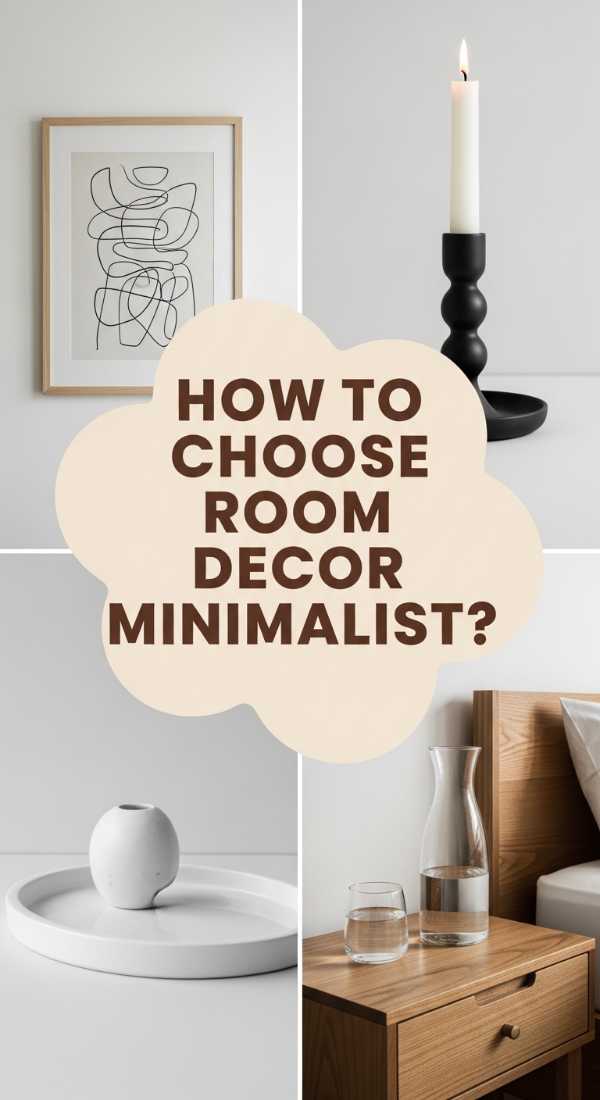
How to Choose Room Decor Minimalist Essentials for a Breathable Atmosphere
Why we love this
A ‘breathable’ atmosphere is the pinnacle of minimalist living. We love the way this style prioritizes air circulation and light, making the room feel like it’s located on a quiet hilltop rather than in a busy city. There’s a crispness to the air when surfaces aren’t dust-magnets and fabrics are natural linens. It feels like a ‘reset’ for your senses, where the simple sight of a white ceramic bowl on a bare table feels artistic and intentional. This is where minimalism becomes a lifestyle of clarity, allowing you to inhale deeply and feel the spaciousness of your own home.
Essential Elements:
- Hand-blown glass vases
- Organic cotton or linen textiles
- Minimalist wall clock with a silent sweep
- A single, high-quality air purifying plant
- Bare windows or very simple roller shades
How to make it
- The ‘Air’ Audit: Open all windows to establish the ‘base’ temperature of the room. Remove any heavy, velvet, or dark drapes that ‘clog’ the airflow.
- Selecting the ‘Garnish’: Choose items that are translucent. A glass vase or a ghost chair ‘cooks’ differently in the light, adding function without taking up ‘visual space.’
- Negative Space Technique: Leave at least one wall entirely blank. This acts as a ‘palate cleanser’ for the eyes and is essential for the ‘breathable’ feel.
- Fabric Prep: Wash all linens with a light, non-synthetic scent. The ‘aroma’ of clean cotton is a vital component of this atmosphere.
- Visual Cue: Throw a light scarf in the air. If it can move freely without hitting ‘decor,’ your atmosphere is perfectly breathable.
How to Style Living Room Decor Minimalist Accents for a High End Feel

Why we love this
High-end minimalism is all about the ‘statement’—the one or two pieces that act as the crown jewels of the room. We love the sophistication of a cold marble plinth topped with a warm brass sculpture; it’s a masterclass in balance. This style feels curated, like a private art gallery, where the absence of ‘filler’ items makes the quality of the few remaining pieces shine. The sensory experience is one of refined textures and ‘expensive’ silence, creating a living space that feels prestigious yet deeply personal and welcoming.
Essential Elements:
- Marble or stone accent pieces (trays, coasters, or plinths)
- Matte black or brushed brass hardware
- One oversized original art piece
- Designer lighting fixture (Sputnik or linear)
- Velvet cushions in a muted, ‘dusty’ tone
How to make it
- Identifying the ‘Star’: Choose one focal point—a fireplace, a large window, or a piece of art. Everything else in the room should ‘simmer’ on low to support this one ‘star.’
- The ‘High-Low’ Mix: Combine a high-end texture (like marble) with a grounded one (like raw wood). This ‘seasons’ the room, preventing it from feeling too stiff.
- Lighting as Art: Install a statement ceiling light. This is the ‘glaze’ on the room. It should be architectural and striking even when turned off.
- Curation Technique: Edit your ‘accents’ until only five non-functional items remain in the whole room. Quality over quantity is the ‘professional heat’ level here.
- Visual Cue: Take a black and white photo of the room. If the composition looks like a gallery, you have achieved the high-end feel.
How to Perfect Decor Minimalist Basics for a Warm and Welcoming Home

Why we love this
The ‘warm’ minimalist home is the ultimate antidote to the myth that minimalism is cold. We love how this style uses ‘earthiness’ to create a welcoming vibe—think sun-drenched terracottas, warm sands, and soft, touchable fabrics. It’s the feeling of a slow Sunday morning, with the aroma of freshly baked bread and the visual comfort of a space that feels lived-in but organized. It’s an inviting aesthetic that says ‘welcome, stay a while,’ without the overwhelming pressure of ‘stuff’ competing for your attention.
Essential Elements:
- Terracotta or clay pots
- Woven wall hangings (minimalist designs)
- Books with warm-toned spines
- Hand-poured soy candles
- Soft-knit floor poufs
How to make it
- Color Palette Prep: Move away from ‘stark white’ and use ‘buttermilk’ or ‘warm bone.’ This ‘pre-heats’ the room, making it feel instantly more inviting.
- Tactile Layers: Mix different knits—a waffle-weave blanket with a smooth linen pillow. This ‘textural seasoning’ adds warmth without clutter.
- Natural Wood Integration: Use ‘honey-toned’ woods like pine or oak. Avoid dark, ‘heavy’ stains. The visual cue is a lightness that feels ‘sun-kissed.’
- The ‘Gathering’ Arrangement: Arrange seating in a circle or facing each other rather than just at the TV. This ‘preps’ the room for human connection.
- Final Cues: If you can imagine yourself comfortably taking a nap in the room, the ‘warmth’ levels are perfectly balanced.
How to Optimize Minimalist Living Room Small Spaces for a Spacious Feeling

Why we love this
There is a profound sense of accomplishment in making a small space feel vast. We love the ‘expanding’ effect of minimalist optimization—it’s like a breath of fresh air for your home. By choosing furniture that doesn’t ‘block’ the eye and keeping floor space clear, you create a psychological sense of freedom. The atmosphere becomes one of efficiency and elegance, where the lack of clutter makes the room feel twice its size, allowing you to move through your day with a sense of ease and ‘flow’ that is often missing in cramped apartment living.
Essential Elements:
- Lucite or glass furniture
- Low-to-the-ground seating
- Wall-mounted desks or consoles
- Uniform color palette (monochromatic)
- Minimalist vertical blinds or ‘hidden’ window treatments
How to make it
- The ‘Low-Profile’ Prep: Choose a sofa that is low to the ground. This creates more ‘headroom’ and air above the furniture, which is a key ‘reduction’ technique for small spaces.
- Monochromatic ‘Marinating’: Paint the walls, trim, and even the shelving the exact same color. This ‘blurs’ the boundaries of the room, making the walls ‘recede.’
- Clear the Thoroughfares: Ensure there is at least 30 inches of ‘clear floor’ for walking paths. This ‘prep’ ensures the room feels like a thoroughfare rather than a dead-end.
- The ‘Glass’ Technique: Use a glass coffee table. It provides the ‘function’ of a table without the ‘visual weight,’ acting like a transparent garnish.
- Visual Cue: Stand in the center and spin around. If your eyes don’t feel ‘caged’ by furniture, the space is optimized.
How to Transform a Minimalist Room for Continuous Daily Inspiration

Why we love this
Your home should be your muse. We love how a minimalist room can act as a ‘blank canvas’ that sparks creativity and inspiration every single day. By curating a rotating selection of meaningful objects—a single art book, a unique branch found on a walk, or a beautifully framed quote—you keep the energy of the room fresh. The ‘cleanliness’ of the design allows these small ‘sparks’ to shine brightly, making your home a place where new ideas are born and where you feel constantly aligned with your highest self. It’s the ultimate form of ‘living art.’
Essential Elements:
- Rotating ‘inspiration’ shelf or ledge
- High-quality stationary or a beautiful journal as decor
- A single ‘hero’ art piece that changes seasonally
- Natural light maximization
- Minimalist speakers for ambient soundscapes
How to make it
- The ‘Inspiration Station’ Prep: Dedicate one small area (a shelf or a tray) solely to ‘the new.’ This is your ‘experimental kitchen’ where you can change items weekly.
- Light as a Catalyst: Clean your windows inside and out. The ‘purity’ of the light is the primary ‘ingredient’ for an inspired space.
- Auditory Layering: Use a minimalist speaker to play soft ambient ‘pink noise’ or nature sounds. This ‘seasons’ the air and preps the brain for creative work.
- Tactile Cues: Place your most beautiful book or journal in a place of prominence. The ‘visual cue’ here is that you are ready to create at any moment.
- Check for ‘Flow’: If the room feels ‘static’ or ‘stale,’ swap one item for something from nature (a rock, a leaf). This ‘refreshes’ the recipe of the room.
The Art of Living with Less
Creating a minimalist home isn’t a one-time ‘decorating’ event; it is a continuous practice of mindfulness and refinement. It’s about choosing quality over quantity, silence over noise, and space over stuff. When you design your home with ‘Quiet Beauty,’ you aren’t just making a house look better—you are making your life feel better. May your home always be a sanctuary that reflects the very best of who you are, providing you with the peace, clarity, and inspiration you deserve.
Frequently Asked Questions
Q: Does minimalism have to be all white?
A: Not at all! While white is popular for its airy feel, you can achieve minimalism with ‘earthy’ tones, warm grays, or even monochromatic dark hues. The key is consistency and the lack of clutter, not just the color.
Q: How do I prevent a minimalist room from feeling cold?
A: Texture is your best friend. Use natural materials like wood, linen, wool, and stone. Adding plants and warm-toned lighting (2700K) also adds the ‘warmth’ needed to make a space feel inviting.
Q: Is minimalism expensive to achieve?
A: It can actually be much cheaper! Instead of buying many low-quality items, you invest in a few high-quality basics. Start by removing what you don’t need—de-cluttering is free!