

Style Your Sanctuary: Modern Aesthetic Visions for the Chic Home
There is a profound, almost sacred magic in the way a home can reflect the soul. It’s more than just choosing the right throw pillow or finding the perfect coffee table; it’s about crafting a sanctuary that holds you at the end of a long day, a place where every corner tells a story of who you are and where you’ve been. When we curate our spaces with intention, we aren’t just decorating; we are building a backdrop for our most cherished memories, from the quiet morning coffees to the loud, laughter-filled dinners with friends.
Lately, I’ve found myself leaning into the idea of ‘aesthetic visions’—intentional, cohesive moods that transform a house into a living, breathing work of art. Whether you are drawn to the sun-drenched textures of the coast or the moody, storied corners of a heritage-inspired home, there is a path to creating a space that feels uniquely yours. This guide is a love letter to the art of homemaking, designed to help you navigate different aesthetic landscapes and find the one that resonates with your heart.
Let’s dive into these ten distinct visions for a chic, modern home. Each one offers a different way to experience comfort and style, proving that beauty isn’t just about what you see, but how a room makes you feel. Grab a cup of tea, get cozy, and let’s start reimagining your sanctuary together.
How to Curate Rustic Mexican Charm for an Earthy Sanctuarial Vibe

Why we love this
There is an undeniable warmth in Rustic Mexican design that feels like a constant sun-drenched hug. We love this look because it prioritizes the raw beauty of natural materials—think the cooling touch of terracotta underfoot, the rough-hewn texture of salvaged wood beams, and the spicy, earthy aroma of beeswax candles flickering against a plaster wall. It’s a sensory feast that balances ruggedness with a soft, lived-in elegance, making every room feel grounded, ancient, and deeply welcoming. The vibrant pops of cobalt and ochre against neutral backdrops create a visual rhythm that is both energizing and incredibly peaceful.
Essential Elements:
- Hand-painted Talavera tiles for accents
- Terracotta flooring or planters
- Reclaimed wood furniture with visible grain
- Woven textiles in warm, sunset hues
- Wrought iron light fixtures
- Cactus and succulent greenery
How to make it
- Begin by laying the foundation with ‘visual heat’—paint your walls in a soft, lime-washed cream or a warm sand tone to mimic the appearance of adobe. The goal is a matte finish that absorbs light softly rather than reflecting it harshly.
- Incorporate your ‘base ingredients’ by placing large terracotta pots in corners or on shelving. Ensure they are unglazed to allow that natural, breathable clay texture to shine through, providing a grounded, earthy scent to the room.
- Layer in the ‘spice’ with textiles. Drape heavy, hand-woven Mexican blankets (serapes) over wooden benches or use them as textured wall hangings. Look for high-contrast patterns that use natural dyes for an authentic, aged feel.
- Introduce the ‘metalwork’ phase by swapping out standard hardware for hammered iron or dark bronze. This provides a necessary weight to the aesthetic, anchoring the lighter fabrics and woods.
- Finalize the ‘bake’ by adding greenery. Use tall organ pipe cacti or sprawling succulents in clay vessels. The vibrant green acts as a cooling agent to the warm oranges and reds of the decor, creating a perfectly balanced visual palette.
How to Style Summer Breezy Spaces for Endless Sunny Afternoons
Why we love this
This aesthetic is like a deep breath of fresh, salt-tinged air captured within four walls. We love it because it removes the ‘weight’ of traditional decorating, replacing it with airy linens, bleached woods, and a palette that mirrors the horizon where the sea meets the sky. The sensory experience is all about lightness; the feeling of a sheer curtain brushing against your arm in a light breeze, the scent of fresh citrus and jasmine, and the visual clarity of a room bathed in natural light. It turns your home into a permanent vacation spot, where the afternoon sun feels like it could linger forever.
Essential Elements:
- Sheer white linen curtains
- Light oak or whitewashed furniture
- Rattan and seagrass textures
- Palette of whites, soft creams, and pale blues
- Glass vases with minimalist greenery
How to make it
- Start by ‘clearing the palate.’ Strip away heavy drapes and replace them with ultra-light, breathable linens. Hang the rods higher than the window frame to create an illusion of height and maximize the ‘light intake.’
- Choose your ‘core proteins’—the large furniture pieces should be in light-colored woods like white oak or birch. Avoid dark stains that ‘cook’ the room’s energy down; you want a raw, sun-bleached look.
- Layer in the ‘textural crunch’ with woven elements. Place a large jute or seagrass rug in the center of the room. This provides a tactile contrast to the soft linens and grounds the space without adding visual darkness.
- For the ‘seasoning,’ use glass and ceramic accents in watery tones. A collection of sea-glass-colored bottles on a windowsill will catch the light and cast beautiful, dancing shadows across the room during the golden hour.
- Keep the ‘simmer’ low by avoiding clutter. This style thrives on negative space. Select only a few high-quality accessories, like a single oversized bowl of lemons or a structural palm leaf in a clear vase, to maintain the breezy, effortless flow.
How to Infuse Whimsical Wonder for a Magical Living Space

Why we love this
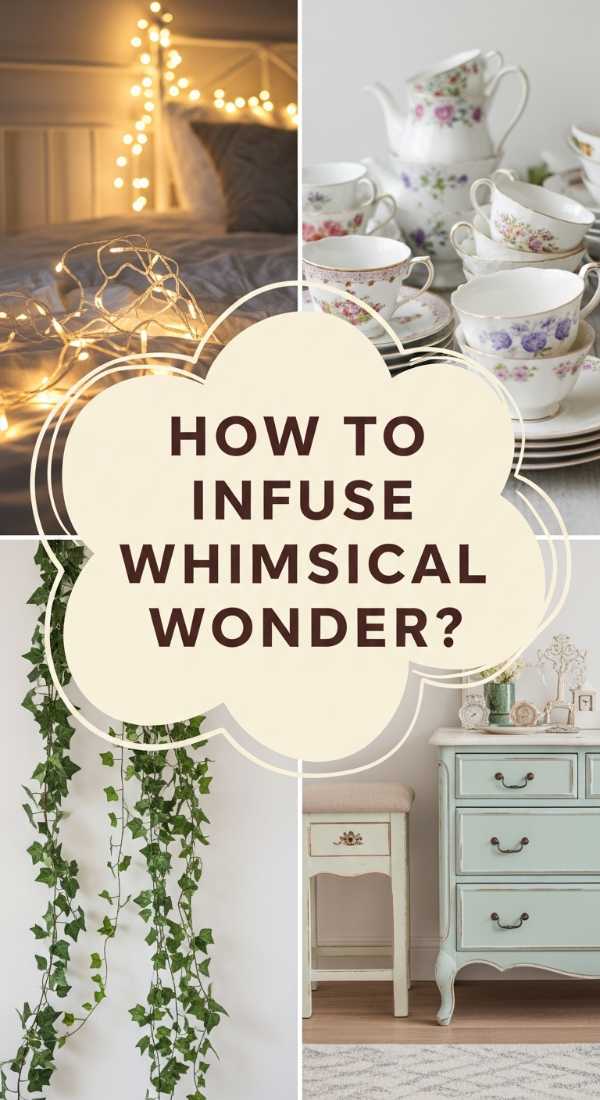
Whimsical design is an invitation to play, a way to reclaim the wonder of childhood within a sophisticated adult context. We love this vision because it breaks all the rules, mixing curved silhouettes with unexpected pops of color and ethereal textures. It’s the feeling of velvet under your fingertips, the sparkle of a disco ball catching a stray beam of light, and the delight of a room that doesn’t take itself too seriously. It creates a space that feels enchanted, like a secret garden or a scene from a storybook, where every object has a personality and a touch of mystery.
Essential Elements:
- Iridescent or metallic accents
- Curved, velvet furniture
- Eclectic art and gallery walls
- Fairylights or neon signage
- Plush, high-pile rugs in jewel tones
How to make it
- Establish the ‘fantasy base’ by choosing a focal point with a unique silhouette. A curved sofa in a bold emerald or dusty rose velvet acts as the ‘main dish’ around which the magic happens.
- Add ‘sparkle’ through lighting. Layer your light levels by using a mix of vintage-style Edison bulbs, hidden LED strips for an ethereal glow, and perhaps a small disco ball near a sunny window to scatter ‘fairy dust’ across the walls.
- Incorporate ‘surprising textures’ like faux fur throws, silk cushions, and iridescent glass vases. The goal is to create a multi-sensory environment where every surface begs to be touched.
- Curate a ‘wonder wall.’ Mix framed vintage botanical prints with modern neon signs or gold-leafed mirrors. Don’t worry about perfect symmetry; the ‘flavor’ of whimsey comes from a curated sense of organized chaos.
- Finish with ‘aromatic enchantment.’ Use scents like sandalwood or violet to create a lingering, mysterious atmosphere that completes the transformation of the room into a magical retreat.
How to Incorporate Catholic Vintage Treasures for a Soulful Heritage Home

Why we love this
There is a deep, resonant soulfulness in Catholic vintage decor that brings a sense of history and reverence to a home. We love this aesthetic for its ‘heavy’ beauty—the weight of old brass, the smooth patina of worn wooden rosaries, and the evocative power of religious iconography. It feels like stepping into a hushed library or an ancient chapel; there is a scent of frankincense and old paper that lingers in the air. It’s about heritage and storytelling, creating a space that feels anchored in time and provides a quiet place for reflection and spiritual comfort.
Essential Elements:
- Antique crucifixes and religious icons
- Ornate brass candle holders
- Dark, heavy wood furniture (walnut or mahogany)
- Velvet upholstery in deep crimson or forest green
- Votive candles and incense burners
How to make it
- Select your ‘anchor pieces’—a dark wood altar-style table or a vintage prie-dieu (prayer desk) serves as a grounding element for the room’s heritage theme.
- Layer the ‘patina’ by sourcing authentic vintage items. Look for brass candlesticks with visible oxidation or silver-plated vessels that have softened over time. These shouldn’t be polished to a high shine; the ‘age’ is where the flavor lies.
- Create a ‘devotional focal point.’ This isn’t just about religion, but about focus. Arrange a collection of vintage icons or framed religious art on a gallery wall, using mismatched ornate gold frames for a curated, historic feel.
- Introduce ‘sacred scents.’ The use of incense, specifically Frankincense or Myrrh, is vital for setting the ‘temperature’ of the room. It provides an immediate sensory shift upon entering the space.
- Soften the ‘heavy metals’ with rich textiles. A deep red velvet runner on a dark table or embroidered cushions adds a layer of comfort and luxury that balances the starkness of the wood and metal.
How to Master Coastal Serenity for a Calm Seaside Escape

Why we love this
Coastal Serenity is the art of bringing the rhythm of the ocean indoors. We love it because it’s inherently therapeutic; the soft palette of sand, seafoam, and driftwood naturally lowers the heart rate. It’s the tactile joy of walking barefoot on a textured jute rug, the cooling sensation of smooth marble surfaces, and the sight of natural light reflecting off watery blue accents. This isn’t ‘nautical’ with anchors and ropes; it’s a sophisticated, understated nod to the shore that feels clean, organized, and infinitely peaceful.
Essential Elements:
- Bleached driftwood accents
- Linen upholstery in oatmeal or soft grey
- Natural jute or sisal rugs
- A palette of watery blues and seafoam greens
- Large-scale ocean photography or abstract art
How to make it
- Set the ‘tide’ with your wall color. Choose a very pale, cool-toned grey or a soft off-white with blue undertones. This creates a ‘misty’ atmosphere that serves as a canvas for the rest of your decor.
- Add ‘found objects’ for texture. Use a large piece of driftwood as a centerpiece or fill a glass bowl with smooth, grey river stones. This brings the literal ‘flavor’ of the coast into the room.
- Incorporate ‘wave-like’ movement through fabrics. Use soft, oversized linen throws that drape naturally over furniture, mimicking the fluid motion of the water.
- Balance the ‘salt’ with light woods. Choose coffee tables or side chairs in blonde woods like ash or maple. The light tone keeps the room feeling spacious and ‘airy,’ preventing it from becoming bogged down by heavy colors.
- Finish with ‘clarity.’ Use clear glass lamps or vases to maintain a sense of transparency and light. The goal is to make the room feel as open and limitless as the sea itself.
How to Design Boho Mobile Spaces for Free Spirited Living
Why we love this
Boho mobile living is the ultimate expression of freedom, turning a small footprint into a lush, layered oasis. We love this look because it proves that you don’t need a mansion to have a sanctuary; it’s about maximizing every inch with soul and personality. It’s the smell of dried eucalyptus hanging from a rack, the warmth of a sheepskin rug over a small bench, and the visual feast of macramé and hanging plants that blur the line between indoors and out. It’s cozy, adventurous, and perfectly suited for those who want to carry their home wherever the road leads.
Essential Elements:
- Macramé wall hangings and plant hangers
- Layered rugs (cowhide over jute)
- Multi-functional folding furniture
- Warm fairy lights and lanterns
- Potted trailing plants (Pothos or Ivy)
How to make it
- Start with ‘vertical layering.’ In a small or mobile space, floor space is premium. Use the walls and ceiling to ‘cook’ your atmosphere by hanging plants and woven art. This draws the eye upward and creates a ‘canopy’ of coziness.
- Focus on ‘high-yield comfort.’ Since you have fewer pieces, each must be delicious. Choose high-quality textiles like wool throws and linen pillows that provide maximum tactile joy in a small area.
- Introduce ‘variable lighting.’ Avoid harsh overhead lights. Instead, string warm fairy lights along the perimeter and use small, rechargeable LED lanterns to create ‘pockets’ of glow that make the space feel larger and more intimate.
- Use ‘nature as a garnish.’ Bring the outdoors in by securing small herb pots near windows or hanging bundles of dried lavender. This ensures the air stays fresh and fragrant despite the compact living quarters.
- Maintain the ‘flow.’ In mobile living, clutter is the enemy of ‘flavor.’ Use hidden storage solutions like woven baskets under benches to keep the visual field clear and the energy moving freely.
How to Reclaim Nineties Nostalgia for a Playful Retro Atmosphere
Why we love this
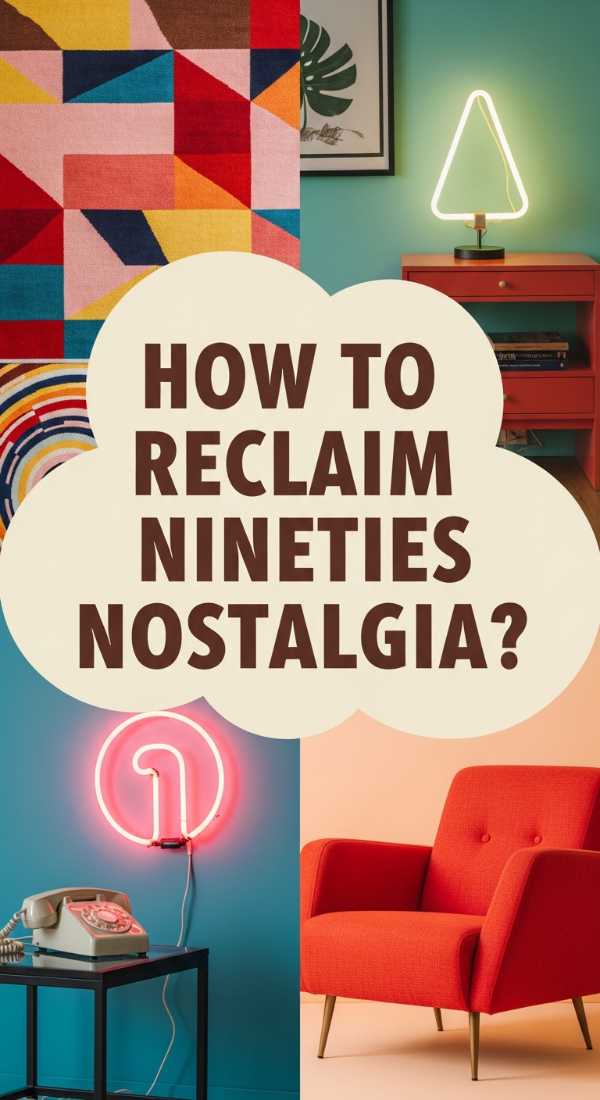
Nineties Nostalgia is making a comeback, and we love it for its unapologetic boldness and playful spirit. It’s a reaction against the ‘all-beige’ trend, bringing back vibrant primary colors, geometric patterns, and a touch of tech-inspired futurism. It’s the feeling of a plush velvet inflatable-style chair, the glow of a lava lamp, and the graphic punch of a black-and-white checkered floor. It’s a high-energy aesthetic that sparks conversation and reminds us not to take design—or life—too seriously. It feels like a celebration of a decade that was all about expression.
Essential Elements:
- Primary color accents (red, yellow, blue)
- Geometric and Memphis-style patterns
- Neon lighting or lava lamps
- Acrylic or glass furniture
- Checkered rugs or flooring
How to make it
- Inject ‘high-pigment’ color. Choose one or two ‘hero’ pieces in a bold primary shade—like a bright yellow side table or a cobalt blue armchair. These act as the ‘main seasoning’ for the room.
- Incorporate ‘graphic patterns.’ A checkered rug or pillows with bold, squiggly lines provide that signature 90s visual ‘crunch.’ Keep the rest of the room relatively simple to let these patterns pop.
- Layer in ‘translucency.’ Use acrylic ‘ghost’ chairs or glass-topped tables. This nod to 90s minimalism adds a futuristic, airy quality that balances the heavier, more colorful elements.
- Set the ‘retro glow.’ A neon sign with a fun phrase or a classic lava lamp provides a specific type of low-frequency light that immediately triggers nostalgia and sets a playful mood.
- Add ‘pop culture’ garnishes. Frame vintage posters from the era or display ‘lo-fi’ tech like a transparent telephone or a stack of vinyl records to complete the ‘flavor’ of the decade.
How to Embrace Quirky Accents for a Home Full of Personality

Why we love this
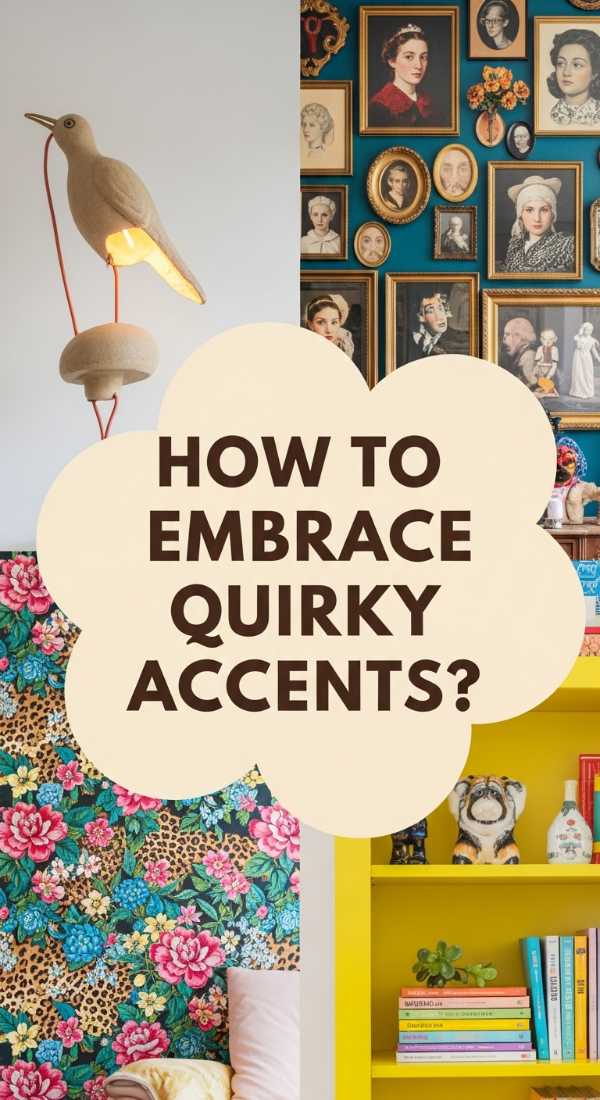
A home filled with quirky accents is a home that tells the truth about its owner. We love this approach because it’s the antithesis of the ‘cookie-cutter’ showroom look. It’s about the joy of the find—the ceramic bust you found at a flea market, the oversized gold snail on the bookshelf, or the gallery wall featuring hand-drawn doodles alongside fine art. It’s a sensory adventure where every turn of the head reveals a new curiosity. This style feels alive, evolving, and deeply personal, proving that the best homes are those that make you smile.
Essential Elements:
- Unexpected sculptural objects
- Bold, mismatched patterns
- Whimsical art and photography
- Statement lighting (e.g., a monkey lamp or a feathered chandelier)
- Vintage finds with a ‘weird’ charm
How to make it
- Identify your ‘curiosity zones.’ Choose specific areas, like a mantel or a bookshelf, to serve as the ‘staging ground’ for your quirky accents. This prevents the room from feeling cluttered and gives each object ‘breathing room.’
- Mix ‘high and low’ flavors. Pair a sophisticated, modern sofa with a completely ridiculous, oversized animal-shaped footstool. This contrast is what creates the ‘spark’ in quirky design.
- Use ‘conversational art.’ Hang pieces that provoke a question or a laugh. Whether it’s a vintage circus poster or a contemporary abstract piece in neon colors, the goal is to engage the viewer’s imagination.
- Introduce ‘tactile surprises.’ Look for objects with unusual textures—a prickly ceramic vase, a smooth marble hand, or a fuzzy tinsel pillow. These ‘flavor notes’ keep the space physically interesting.
- Maintain a ‘color thread.’ To keep the quirk from becoming chaos, use a consistent color throughout the room. If you have a lot of strange objects, keeping them within a certain palette (like gold and jewel tones) helps the ‘dish’ feel cohesive.
How to Create Welcome Home Entryways for the Warmest Possible Greeting

Why we love this
The entryway is the ‘handshake’ of the home, and we love an entryway that feels like a warm embrace. It’s the first thing you see when you return from the world, and it sets the tone for everything that follows. We love this vision because it combines functionality with pure sensory delight—the smell of a signature home fragrance, the soft glow of a table lamp, and the organized beauty of a well-placed console table. A ‘Welcome Home’ entryway says that you are expected, you are loved, and you are finally where you belong.
Essential Elements:
- A sturdy, stylish console table
- A large mirror to bounce light
- A signature home scent (diffuser or candle)
- A catch-all tray for keys and mail
- Soft lighting (small lamp or sconces)
How to make it
- Create a ‘focal warmth.’ Place a console table as your ‘base layer.’ Underneath, tuck a couple of woven baskets for shoes. This keeps the ‘mess’ of the world contained and out of sight.
- Set the ‘aromatic hook.’ Choose a high-quality reed diffuser with notes of vanilla, amber, or cedar. This becomes the ‘scent memory’ of your home, signaling your brain to relax the moment you step through the door.
- Optimize the ‘light level.’ Avoid the ‘cold’ overhead light. Instead, place a small lamp with a warm-toned bulb on the console. Keep this light on during the evening so you never walk into a dark, ‘raw’ house.
- Add ‘visual expansion.’ Hang a large mirror above the table. This ‘cooks’ the space by doubling the perceived light and making even a small foyer feel grand and open.
- Finish with a ‘living touch.’ A small vase of fresh flowers or a hardy potted plant like a Snake Plant adds life and oxygen to the space, making the greeting feel vibrant and ‘freshly prepared.’
How to Find Vintage Decor Gems for a Timeless Historic Look
[IMAGE_10]
Why we love this
There is a unique thrill in the hunt for vintage gems, and we love the historic look because it brings an ‘un-buyable’ character to a home. It’s the feeling of solid brass that’s been touched by a thousand hands, the sight of hand-carved details that modern machines can’t replicate, and the stories hidden in the scratches of an old leather armchair. This aesthetic is about quality over quantity, favoring pieces that have stood the test of time. It makes a home feel established, wise, and deeply rooted in a sense of place and history.
Essential Elements:
- Brass and copper antiques
- Oil paintings in gilded frames
- Hardwood furniture with dovetail joints
- Oriental or Persian rugs with natural wear
- Vintage books and leather-bound journals
How to make it
- Master the ‘slow-cook’ method. Don’t try to decorate a vintage-inspired room in a weekend. The best ‘gems’ are found over time at flea markets, estate sales, and antique shops. Patience is your best ingredient.
- Look for ‘structural integrity.’ When sourcing furniture, check for ‘hallmarks’ of quality like dovetail joints or solid wood weight. These pieces are the ‘slow-braised meats’ of decor—they only get better with age.
- Embrace the ‘tarnish.’ Do not over-polish your vintage brass or silver. A little bit of ‘visual age’ or patina adds depth and authenticity to the room that new items simply cannot mimic.
- Layer ‘historic textures.’ Use an old Persian rug that has some ‘beautiful wear’ to it. The fading of the colors provides a soft, muted ‘seasoning’ that grounds the entire room in history.
- Curate a ‘story corner.’ Group your finds—a vintage globe, a stack of old books, and a brass magnifying glass—to create a small ‘tableau.’ This creates a concentrated ‘flavor’ of the past within a modern context.
Conclusion: Your Home, Your Masterpiece
Creating a chic home isn’t about following the latest trends; it’s about finding the visual language that speaks to your soul. Whether you find peace in the breezy simplicity of a coastal escape or depth in the storied corners of a heritage-inspired sanctuary, the goal is always the same: to create a space that nourishes you. Remember that your home is a living thing, an evolving reflection of your journey. Don’t be afraid to mix these visions, to experiment, and to let your personality shine through every detail. After all, the most beautiful ‘aesthetic’ of all is one that feels like home.