

The Aesthetics We Can’t Stop Pinning: How to Nail the Most Viral Home Trends
Have you ever spent an entire evening scrolling through your feed, only to realize your thumb is tired and your heart is racing because you’ve fallen head-over-heels for a room that doesn’t belong to you? We’ve all been there. There’s a certain magic in those perfectly captured corners—the way the afternoon sun hits a linen throw or the whimsical charm of a tiny garden nook. It’s more than just decor; it’s about the feeling a space evokes when you finally step through the door after a long day.
Today, we aren’t just looking at pretty pictures; we’re learning how to bottle that lightning and bring it into our own homes. From the salty, sun-drenched vibes of a coastal retreat to the nostalgic, neon-tinted comfort of the nineties, I’m breaking down the most viral aesthetics of the year. Grab a cup of coffee (or a glass of iced tea!), and let’s dive into how you can recreate these dreamscapes with intention and a little bit of DIY magic.
How to Style a Breezy Summer Haven for Maximum Sunlit Joy

Why we love this
This aesthetic is like a deep, cooling breath of fresh air on a humid July afternoon. We love it for the way it prioritizes light and movement, using sheer fabrics that dance in the breeze and a palette that feels as clean as bleached driftwood. There is a distinct aroma of citrus and sun-warmed cotton that seems to hang in these spaces, making every moment feel like a slow Sunday morning. It’s about the sensory experience of walking barefoot on cool hardwood and feeling the gentle warmth of the sun on your skin while you lounge.
Essential Elements:
- Sheer linen curtains in optic white or soft cream.
- Woven jute or seagrass rugs for organic texture.
- Potted citrus trees or fresh eucalyptus stems.
- Light-toned wood furniture (oak or maple).
- Accents of sky blue and lemon yellow.
How to make it
- Prep the Base Layer: Start by stripping your windows of heavy drapes. Replace them with ultra-light linen or voile. The ‘heat level’ here should be high—you want maximum light penetration to ‘bake’ the room in brightness.
- Season with Texture: Lay down your jute rug. The visual cue for ‘doneness’ is when the floor looks grounded but not heavy. If the rug feels too scratchy, layer a smaller, softer cotton rug on top for a ‘medium-well’ comfort level.
- Infuse the Aromatics: Introduce your greenery. Position citrus trees near south-facing windows. This phase takes ‘simmering’ time; wait a few days to see how the natural scent fills the space before adding candles.
- Garnish with Color: Add two or three pillows in soft pastels. Do not over-season; keep the ‘flavor’ of the room light and airy to avoid visual clutter.
How to Create a Whimsical Fairy Garden Nook for Daily Magic

Why we love this
There is an undeniable, childlike joy in creating a space that feels like a portal to another world. This look relies on the damp, earthy scent of moss and the soft, diffused glow of twinkling lights that mimic fireflies at dusk. It’s a tactile paradise where velvet textures meet the ruggedness of bark and stone. Sitting in a fairy nook feels like being hugged by nature itself, providing a quiet sanctuary where the modern world fades away into a chorus of rustling leaves and soft shadows.
Essential Elements:
- Preserved sheet moss and terrarium glass.
- Warm-toned LED fairy lights (copper wire is best).
- Miniature wooden furniture or mushroom-shaped stools.
- Ferns, ivy, and other shade-loving indoor plants.
- Velvet floor cushions in forest green or deep plum.
How to make it
- Sift the Foundation: Choose a quiet corner or a deep bookshelf. Clean the surface thoroughly. Timing is key here; ensure the area is dust-free before laying down your preserved moss ‘carpet’ to prevent allergens.
- Layer the Flora: Place your larger ferns in the back and smaller ivy in the front. Visual cue for doneness: The plants should look like they grew there naturally, overlapping slightly to hide the pots.
- Internal Lighting (The Sear): Thread your fairy lights through the foliage. Set the ‘heat’ to a warm, low glow. Professional tip: Hide the battery pack inside a hollowed-out book or under a layer of moss.
- Final Plating: Add your whimsical accents—miniature mushrooms or a ceramic gnome. These are the ‘spices’ of the nook; use them sparingly to maintain an air of mystery rather than clutter.
How to Design a Sacred Prayer Space for Spiritual Serenity

Why we love this
In our fast-paced world, a dedicated space for silence is the ultimate luxury. We love this aesthetic because it focuses on the internal rather than the external, using soft, muted tones and natural materials to lower the heart rate. The air usually carries the grounding scent of frankincense or sandalwood, and the textures are plush and inviting, encouraging you to stay a little longer. It feels like a warm embrace for the soul, providing a physical boundary between the chaos of life and the peace of the spirit.
Essential Elements:
- A low-profile meditation cushion or prayer bench.
- A small altar or dedicated side table.
- Candles with natural beeswax or soy bases.
- Meaningful icons, scriptures, or crystals.
- A soft, hand-knotted wool throw.
How to make it
- Calibrate the Environment: Pick a low-traffic area. The ‘heat’ should be kept low—use dimmable lighting or low-wattage bulbs to keep the focus internal.
- Slow-Cook the Comfort: Place your cushion or bench. Visual cue: The seat should look inviting but structured. Spend 10 minutes sitting there to ensure the ‘prep’ feels ergonomically correct for long sessions.
- Aromatic Infusion: Light a candle or incense. The timing for this ‘infusion’ is about 5 minutes before you plan to use the space, allowing the scent to mellow out into a subtle background note.
- Garnish with Meaning: Arrange your sacred items on the altar. Use the ‘rule of three’ for visual balance—one tall item, one medium, and one small to create a harmonious flow.
How to Curate a Coastal Seaside Retreat for Absolute Relaxation

Why we love this
Nothing beats the effortless elegance of a coastal home where the barrier between indoors and outdoors is beautifully blurred. We love the palette of sandy beiges, salty whites, and navy blues that instantly transport the mind to the shoreline. The texture of weathered wood and the rhythmic sound of a ceiling fan create a sensory experience that mimics the ocean’s tide. It’s a style that feels ‘broken-in’ and comfortable, like your favorite pair of linen pants, offering a sanctuary of absolute calm.
Essential Elements:
- Slipcovered sofas in white or oatmeal denim.
- Driftwood accents and coral-inspired decor.
- Striped textiles (classic navy and white).
- Large windows with minimal obstructions.
- Scented diffusers featuring sea salt and sage.
How to make it
- Flash-Fry the Palette: Paint the walls a crisp, reflective white. This ‘high heat’ approach ensures that even on cloudy days, the room feels like it’s glowing with seaside sun.
- Layer the Textures: Introduce ‘rougher’ elements like weathered wood or rattan. The visual cue is a contrast between the smooth white walls and the ‘charred’ or distressed look of the wood.
- Timing the Softness: Add your slipcovers. These should be loose-fitting; if they look too tight, they lose the ‘coastal’ flavor. Let them ‘rest’ for a day to allow the natural wrinkles to settle.
- Finishing Salt: Add glass bowls filled with sea glass or smooth stones. These small ‘garnishes’ provide a tactile connection to the beach.
How to Source Vintage Heirloom Treasures for Timeless Elegance

Why we love this
Vintage decor is all about the ‘slow-cooked’ home—a space that has been gathered over time rather than bought in a single weekend. We love the richness of dark mahogany, the patina on brass candlesticks, and the weight of a heavy velvet curtain. There is a faint, nostalgic scent of old paper and beeswax that makes a house feel like a home with a history. It provides a sense of continuity and elegance that modern furniture simply cannot replicate, turning every room into a gallery of personal stories.
Essential Elements:
- Ornate gold-leaf or brass frames.
- Solid wood furniture with carved details.
- Oil paintings (landscapes or portraits).
- Vintage Persian or Turkish rugs.
- Taper candles in vintage holders.
How to make it
- The Hunt (Prep Phase): Visit local thrift stores or estate sales. This is the longest phase—don’t rush the ‘cook.’ Only buy pieces that have ‘good bones’ and authentic weight.
- Deglazing the Past: Clean your finds carefully. For brass, use a mild polish to bring back the shine without removing the character. Visual cue: The metal should glow, not sparkle like new chrome.
- Layering the Flavors: Place your rug first, then the heavy furniture. Timing: Allow yourself a few weeks to live with the layout; heirloom pieces are ‘heavy ingredients’ and need room to breathe.
- The Final Reduction: Arrange art in a gallery wall. Use various sizes to create a ‘simmering’ visual interest that keeps the eye moving across the history of the room.
How to Master a Textured Boho Oasis for Coziest Vibes

Why we love this
The boho oasis is the ultimate ‘comfort food’ of interior design. It’s all about the layers—macramé wall hangings, chunky knit throws, and an abundance of green leaves. We love the earthy, spicy aroma of patchouli or amber that often accompanies this style. The sensory experience is incredibly tactile; everywhere you touch, there’s a new texture, from smooth ceramic pots to shaggy wool rugs. It feels lived-in, creative, and completely unpretentious, making guests feel immediately at home.
Essential Elements:
- Macramé wall art and plant hangers.
- Rattan furniture and wicker baskets.
- Mismatched patterns in earthy tones (terracotta, mustard).
- Pothos, Monstera, and Snake plants.
- Floor poufs and low-level seating.
- Pre-Heat with Color: Start with a warm base color like terracotta or sage green. This sets the ‘temperature’ for the rest of the room’s textures.
- Folding in the Textures: Add your rugs and pillows. Use the ‘more is more’ technique here, folding different fabrics over each other. Visual cue: The room should look ‘fluffy’ and full.
- The Green Infusion: Distribute plants at different heights. Use ‘high heat’ (direct sun) for succulents and ‘low heat’ (corners) for ferns. Timing: Wait for the plants to acclimate before adding more.
- Seasoning with Light: Use amber-toned bulbs. The ‘doneness’ cue is a warm, golden glow that softens the edges of all your textured layers.
- Checkerboard rugs or tile patterns.
- Neon signage or lava lamps.
- Acrylic or ‘ghost’ chairs and tables.
- Inflatable-inspired furniture silhouettes.
- Pop art prints and CD wall displays.
- The Base Reduction: Start with a neutral room but introduce one ‘bold ingredient,’ like a checkerboard rug. This acts as the ‘stock’ for your nineties flavor profile.
- Searing the Accents: Add your neon light. The ‘heat level’ is literal here—choose a color that pops, like hot pink or electric blue. Timing: Only turn this on at ‘dusk’ for the full visual effect.
- Whisking in the Retro: Incorporate acrylic furniture. This keeps the room from feeling too ‘heavy’ by allowing light to pass through. Visual cue: The furniture should look almost invisible from a distance.
- Final Garnish: Add a vintage tech piece, like a clear phone or a boombox. These are the ‘cracked pepper’—small, sharp hits of nostalgia that complete the look.
- Floor-to-ceiling gallery walls.
- Bold, clashing wallpaper patterns.
- Eclectic sculptures and bust statues.
- Vibrant velvet furniture (emerald, fuchsia).
- Gold and lacquered finishes.
- Emulsifying the Palette: Pick three ‘hero’ colors. These will be the ’emulsifiers’ that bind your clashing patterns together. Visual cue: Even with chaos, the room should have a rhythmic color repetition.
- High-Heat Curation: Lay all your art on the floor first. This ‘prep’ is crucial. Move them around until the ‘flavor balance’ feels right—no one area should be ‘saltier’ (busier) than the others.
- Plating the Walls: Start hanging from the center out. Use different frame styles to keep the ‘texture’ interesting. Timing: This can take several hours; take breaks to avoid ‘visual fatigue.’
- The Final Glaze: Add metallic accents. A gold frame or a brass lamp acts as the ‘glaze’ that gives the maximalist feast its professional, polished finish.
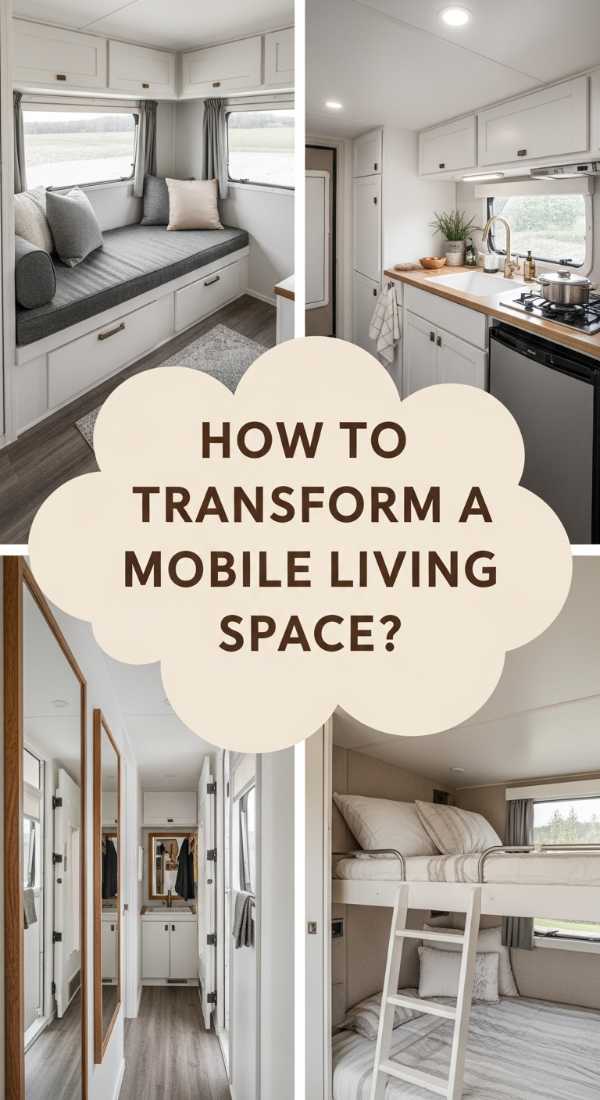
- Multi-functional furniture (beds with storage).
- Light, reflective surfaces to expand the space.
- Vertical shelving and hanging storage.
- Compact, high-quality textiles.
- Portable, rechargeable LED lighting.
- Reduction Phase: Strip the space of anything non-essential. In mobile living, the ‘heat’ is the constraint of space—you must ‘boil down’ your possessions to the absolute best.
- Flash-Freezing the Layout: Use every vertical inch. Install shelves all the way to the ceiling. Visual cue: If you can see the floor, the room feels larger; keep as much off the ground as possible.
- Simmering with Light: Use mirrors to reflect window light. This ‘slow-cooks’ the illusion of space over the course of the day.
- Garnishing with Quality: Since you have less space, use higher-quality ‘ingredients.’ One premium wool blanket is better than five cheap ones. Timing: Invest in quality once and let it ‘age’ with your travels.
- A sturdy, stylish console table.
- A large mirror to catch the light.
- A catch-all bowl for keys and mail.
- A scented candle or reed diffuser.
- A bench or chair for removing shoes.
- Pre-Heating the Greeting: Place a lamp on your console with a ‘warm-white’ bulb. This ‘low heat’ creates an immediate sense of intimacy as soon as the door opens.
- Whisking in Function: Add the bench and the catch-all bowl. The ‘doneness’ cue here is functionality—can a guest easily put down their bag and take off their shoes? If not, ‘re-season’ the layout.
- The Aromatic Garnish: Place your diffuser. Timing: Let the scent ‘cure’ in the small space for at least 4 hours before guests arrive to ensure it’s not overpowering.
- The Final Presentation: Add a fresh bouquet of flowers or a single green branch. This ‘plating’ adds a living element that makes the ‘appetizer’ feel fresh and intentional.
How to make it
How to Revive Retro Ninety Styles for Nostalgic Comfort

Why we love this
There’s a playful, rebellious energy in the nineties revival that we just can’t get enough of. It’s a mix of ‘high-tech’ nostalgia and ‘low-fi’ comfort, featuring inflatable shapes, checkerboard patterns, and neon accents. The sensory appeal lies in the contrast—the slickness of plastic against the softness of a plush rug, and the ‘electric’ scent of ozone or fruity candles. It’s an aesthetic that doesn’t take itself too seriously, reminding us of a time when decor was about expression and pop culture.
Essential Elements:
How to make it
How to Display Quirky Maximalist Art for Unique Expression
Why we love this
Maximalism is a feast for the eyes, and we love it for its sheer audacity. It’s about the ‘more-is-more’ philosophy, where clashing patterns and vibrant colors create a symphony of visual noise that somehow works. The aroma is often a mix of many things—scented candles, fresh flowers, and perhaps a hint of old books. It feels like stepping into a curated museum of a person’s life, where every piece of art has a story and every corner offers a new sensory surprise.
Essential Elements:
How to make it
How to Transform a Small Mobile Living Space for Grand Style

Why we love this
Mobile living is the ultimate exercise in ‘distilling’ a home down to its purest essence. We love it because it forces creativity—every inch must be functional, yet it can still be incredibly stylish. The scent is often that of the great outdoors—pine, cedar, or campfire—drifting in through small windows. There’s a cozy, ‘ship-cabin’ feel to these spaces that makes you feel safe and snug, proving that you don’t need a thousand square feet to live a big, beautiful life.
Essential Elements:
How to make it
How to Arrange a Warm Welcome Entryway for Invitations of Love
[IMAGE_10]
Why we love this
The entryway is the ‘appetizer’ of your home—it sets the tone for everything to follow. We love a warm welcome because it uses soft lighting and inviting scents like vanilla or cinnamon to immediately lower the guest’s guard. The textures are usually soft underfoot, and there’s a sense of order that provides instant relief. It’s the visual equivalent of a warm handshake or a heartfelt hug, signaling that this is a place of safety, love, and hospitality.
Essential Elements:
How to make it
Conclusion: Your Home, Your Masterpiece
Creating a viral-worthy home isn’t about having a massive budget or a professional design degree; it’s about understanding the ‘ingredients’ that make a space feel alive. Whether you are simmering a slow-burn vintage collection or flash-frying a retro ninety living room, the key is to stay true to what makes you feel most at peace. Remember, trends come and go like seasonal flavors, but the feeling of a home built with love and intention is a recipe that never goes out of style. Happy decorating!