

The Ultimate Guide to Minimalist Home Decor: Why Everyone is Obsessed
Have you ever walked into a room and felt like you could finally, truly breathe? There is a certain magic in the simplicity of a home that doesn’t demand your attention with clutter, but instead invites you to rest. For years, I struggled with the ‘more is more’ philosophy, only to find myself overwhelmed by the very things I thought would bring me joy. It wasn’t until I cleared the noise that I found the peace I was looking for.
Minimalism isn’t about living in a cold, empty box; it’s about curating a space that reflects your truest self. It is a viral movement because it speaks to our collective desire for calm in an increasingly chaotic world. By focusing on quality over quantity and the beauty of negative space, we transform our living environments into restorative retreats. Let’s dive into how you can bring this ‘Zen’ lifestyle into every corner of your home.
How to Curate a Cozy Minimalist Living Room for Total Zen

Why we love this
This aesthetic is the equivalent of a long, deep exhale after a chaotic day. Imagine the soft, buttery texture of a limestone-colored linen sofa meeting the cool, smooth surface of a reclaimed wood coffee table. The air smells faint of eucalyptus, and the visual quietude allows your mind to settle into a state of pure tranquility. It is the perfect balance between ’empty’ and ‘enough,’ creating a sensory sanctuary where every tactile element feels intentional and restorative.
Essential Elements:
- Neutral-toned linen sofa
- Organic wooden coffee table
- Single-origin ceramic vases
- Low-pile wool rug
- Woven cotton throws
How to make it
- Begin by stripping the room to its bare ingredients, removing all small items until only the essential furniture remains to evaluate the raw space.
- Select a warm, neutral base seasoning for your walls; think off-white or light taupe applied with a matte finish to prevent harsh reflections.
- Introduce the ‘fats’ of the room—the soft textiles. Layer a rug that is large enough to touch all furniture legs, ensuring a grounded feel.
- Balance the visual temperature by mixing cool stone accents with high-heat wood textures to keep the room from feeling sterile.
- Check for ‘doneness’ by standing at the entrance; if your eye glides across the space without catching on clutter, the Zen balance is perfect.
How to Style a Small Living Room Apartment for Airy Vibes

Why we love this
Living in a smaller footprint doesn’t mean sacrificing style; it means mastering the art of the ‘airy’ aesthetic. We love this because it uses light as a primary material, making a tiny apartment feel like a sprawling loft. The scent of fresh laundry and the crisp feeling of sheer curtains fluttering in the breeze create a sense of expansive freedom. It’s about the luxury of movement and the clever use of vertical space to keep the floor clear and your mind light.
Essential Elements:
- Lucite or glass furniture
- Sheer floor-to-ceiling curtains
- Large wall-mounted mirrors
- Leggy furniture styles
- White-on-white color palette
How to make it
- Start with a ‘high-heat’ decluttering phase, removing any furniture that blocks natural walkways or sightlines to the windows.
- Mount curtains several inches above the window frame; this technique ‘stretches’ the walls and mimics high ceilings.
- Incorporate glass or acrylic tables; these ‘invisible’ ingredients provide functionality without taking up any visual weight in the room.
- Position a large mirror opposite your main light source to double the brightness and create the illusion of a second room.
- The room is ‘cooked’ when the light reaches every corner, and the furniture feels like it is floating rather than cramped.
How to Select Minimalist Room Decor for Timeless Elegance

Why we love this
Timeless elegance in minimalism is about selecting pieces that age like fine wine. We are obsessed with the weight of a solid marble tray or the intricate grain of an artisanal oak bowl that tells a story of craftsmanship. This style avoids the ‘fast fashion’ of home decor, focusing on objects that feel substantial and meaningful. It’s the visual equivalent of a perfectly tailored coat—effortless, sophisticated, and always in style, providing a tactile richness that never feels cluttered.
Essential Elements:
- Solid marble accents
- Hand-thrown pottery
- High-quality linen fabrics
- Architectural indoor plants (like a Fiddle Leaf Fig)
- Framed line art
How to make it
- Audit your current decor and remove any ‘filler’ items that were purchased as temporary fixes or trend-based impulses.
- Invest in ‘hero’ ingredients; choose one high-quality piece of art or furniture that will serve as the anchor for the entire room.
- Apply the ‘Rule of Three’ when styling surfaces, grouping objects of varying heights but similar tones to create professional visual depth.
- Keep the ‘simmer’ low by limiting your color palette to three closely related shades to maintain a cohesive and elegant flow.
- Final cues for doneness: The room should feel expensive but unpretentious, where every item has a clear purpose and a place.
How to Achieve Minimalist Cozy Style for a Warm Home

Why we love this
This is where ‘Hygge’ meets minimalism, creating a space that is clean but incredibly welcoming. Imagine the flicker of a beeswax candle reflecting off a chunky knit blanket, while the soft aroma of vanilla and cedarwood fills the air. This style removes the visual chaos but doubles down on the sensory comfort, making you feel hugged by your home. It’s perfect for those who want a tidy house that still feels lived-in, warm, and deeply personal.
Essential Elements:
- Chunky knit wool throws
- Handmade beeswax candles
- Soft amber lighting
- Layered sheepskin (or faux) rugs
- Warm wood tones
How to make it
- Base your room in ‘warm’ neutrals rather than cool greys to set a cozy foundation from the very first step of prep.
- Layer your textiles like a ‘gourmet sandwich,’ starting with smooth cotton and adding progressively heavier knits for maximum comfort.
- Use ‘low heat’ lighting; swap out bright white bulbs for warm-toned LEDs (2700K) to create a golden hour glow all day long.
- Incorporate personal touches like a small stack of favorite books, keeping them organized but accessible for a ‘lived-in’ feel.
- Your home is ready when you feel an immediate drop in shoulder tension the moment you sit down on your curated furniture.
How to Organize a Minimalist Living Room for Small Spaces

Why we love this
There is nothing quite like the satisfaction of a perfectly organized small space where everything has a hidden home. We love the streamlined look of ‘ghost storage’—solutions that disappear into the decor. This approach turns organization into an art form, utilizing sleek textures and hidden compartments to maintain a crisp, clean aesthetic. It’s about the relief of knowing that even in a small home, you have mastered your environment and banished the stress of searching for lost items.
Essential Elements:
- Ottomans with hidden storage
- Floating wall shelves
- Uniform storage baskets (rattan or felt)
- Cable management boxes
- Multi-functional furniture
How to make it
- Perform a deep ‘sort and sear,’ categorizing every item in the room and discarding anything that hasn’t been used in the last six months.
- Select storage containers that match your wall color to help them blend in and ‘disappear’ from the visual field.
- Utilize vertical ‘cooking’ space by installing floating shelves high on the walls for items that aren’t used daily.
- Hide the ‘messy’ prep work—use cable boxes to tuck away wires, ensuring the silhouettes of your electronics remain sharp and clean.
- Check the ‘flow’; if you can move through the room and access every storage unit without moving another object, the organization is complete.
How to Layer Cozy Minimalist Textures for Maximum Comfort

Why we love this
Layering textures is the secret sauce to making a minimalist room feel high-end and inviting. Imagine the contrast between a rough jute rug and a velvet-soft cushion, or the way light catches the weave of a linen curtain. This sensory variety adds ‘color’ to a room without actually needing different hues. We love this technique because it makes a monochromatic space feel incredibly rich and three-dimensional, providing a tactile experience that keeps the home from feeling flat or boring.
Essential Elements:
- Jute or Sisal rugs
- Velvet and linen pillows
- Ribbed ceramic vases
- Rough-hewn wooden bowls
- Soft mohair blankets
How to make it
- Start with your largest texture ‘protein’—usually a large area rug with a distinct weave like sisal or chunky wool.
- Apply ‘spices’ by adding accent pillows in three different fabrics: one smooth (linen), one soft (velvet), and one textured (bouclé).
- Adjust the ‘flavor’ by adding a wooden element next to a metallic one; the contrast in temperature creates immediate visual interest.
- Spread the texture throughout the room evenly; don’t ‘clump’ all your soft items in one corner, or the room will feel unbalanced.
- The texture is ‘done’ when the room feels visually ‘thick’ and inviting despite having a limited color palette.
How to Design a Minimalist Home for Stress Free Living
Why we love this
This design philosophy is built on the science of neuro-aesthetics—how our environment affects our brain. We love this because it prioritizes wide-open pathways and clear surfaces that signal the brain to stop scanning for ‘threats’ or ‘tasks.’ The result is a home that feels like a continuous, soothing melody. The absence of visual clutter means your mind can finally wander, innovate, and rest, making your home a true engine for mental health and daily rejuvenation.
Essential Elements:
- Empty surfaces (desks and tables)
- Concealed ‘junk’ drawers
- Neutral, low-saturation colors
- Symmetry in furniture layout
- Minimalist window treatments
How to make it
- Identify ‘stress hotspots’—surfaces where mail and keys pile up—and install a ‘prep station’ or hidden bin to contain them immediately.
- Arrange furniture to create wide, clear ‘traffic lanes’ through each room, ensuring no physical obstacles interrupt your movement.
- Reduce the ‘visual volume’ by removing 20% of your current wall decor, leaving ‘negative space’ for the eyes to rest on.
- Use a ‘cool’ simmer for your lighting and color, opting for blues and soft whites that are scientifically proven to lower heart rates.
- The design is successful when you can walk through your home in the dark without hitting a single stray object or feeling ‘trapped.’
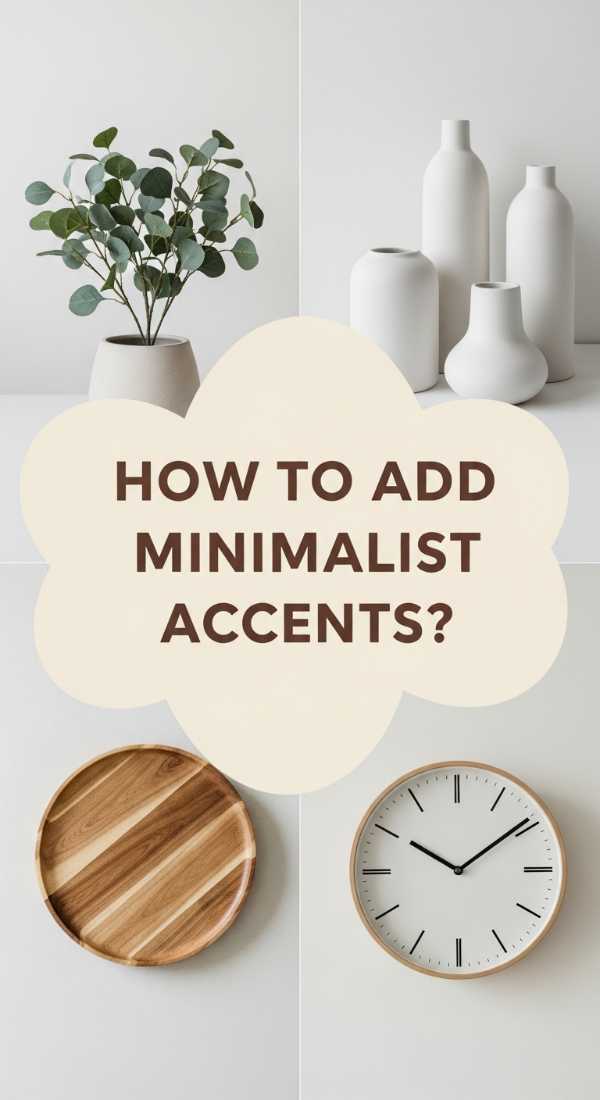
How to Add Decor Minimalist Accents for a Fresh Look

Why we love this
Sometimes, all a room needs is a ‘pop’ of intentionality. Minimalist accents are the cherry on top—the single branch of cherry blossoms in a tall glass vase or the one oversized black-and-white photograph that anchors a wall. We love this because it allows for easy, seasonal refreshes without a total overhaul. These small, thoughtful additions provide a focal point that captures the eye, giving the room a fresh, curated feel that looks like it belongs in the pages of a high-end design magazine.
Essential Elements:
- A single architectural branch or flower
- One oversized statement lamp
- A curated stack of 3 coffee table books
- A singular, large-scale piece of art
- One unique vintage find
How to make it
- Prepare the ‘base’ by clearing all existing small decor from shelves and tables to see the space with fresh eyes.
- Choose a ‘hero’ accent that has a different scale than the rest of your furniture—either very tall or very wide—to create a ‘flavor’ contrast.
- Place your accent in a ‘high-heat’ focal point, such as the center of a dining table or the direct center of a mantelpiece.
- Edit ruthlessly; if you add a new accent, consider removing an old one to maintain the ‘boil’ of the room’s minimalist energy.
- The look is ‘fresh’ when the room feels updated by just one or two changes rather than a chaotic influx of new things.
How to Create Room Decor Minimalist Sanctuary for Better Sleep

Why we love this
Your bedroom should be a sanctuary where the outside world ceases to exist. We love the minimalist bedroom because it removes every digital and physical distraction, leaving only the softest sheets and the quietest colors. Imagine sinking into a bed of pure white organic cotton, surrounded by the faint scent of lavender, with nothing in your field of vision to remind you of your to-do list. It’s the ultimate sleep hygiene hack, turning your nightly rest into a luxurious, five-star experience.
Essential Elements:
- Organic cotton or linen bedding
- Blackout curtains in a neutral shade
- Salt lamp or low-wattage amber light
- No-tech zone (no TVs or computers)
- Minimal bedside table (only a book and water)
How to make it
- Remove all tech ‘toxins’ from the room, including charging cables and screens, to lower the ‘digital heat’ of the space.
- Select bedding with a high thread count but a ‘breathable’ weave like percale or linen to regulate your body temperature while you sleep.
- Choose a wall color that mimics the ‘twilight’—think soft sage, muted blue, or a creamy white that softens as the sun goes down.
- Keep bedside surfaces ‘raw’; only the essentials for sleep should be within arm’s reach to prevent mental clutter at night.
- Your sanctuary is ‘done’ when the room feels notably cooler and quieter than the rest of the house, signaling your brain it’s time to sleep.
How to Master Living Room Decor Minimalist Lighting for Soft Glow
[IMAGE_10]
Why we love this
Lighting is the ‘atmosphere’ of minimalism. We love the masterclass in minimalist lighting because it moves away from harsh overhead ‘hospital’ lights and toward a soft, layered glow that feels like a warm embrace. The way a single floor lamp casts a soft pool of light on a textured rug, or the subtle shimmer of a hidden LED strip under a shelf, creates depth and mood. It’s about using light to highlight the beauty of your curated pieces while letting the rest of the world fade into a soft, comforting shadow.
Essential Elements:
- Dimmable floor and table lamps
- Warm-toned LED bulbs (2700K)
- Paper or fabric lamp shades
- Strategic accent lighting
- Natural candlelight
How to make it
- Turn off all ‘harsh’ overhead lighting to identify the natural ‘shadow pockets’ in your room that need soft intervention.
- Layer your lighting at three ‘heat levels’: eye level (lamps), floor level (uplights), and task level (reading lights).
- Use ‘diffusers’—shades made of rice paper or linen—to scatter the light evenly and prevent any sharp, ‘burnt’ shadows on the walls.
- Incorporate a dimmer switch to ‘simmer’ the light levels as the evening progresses, mimicking the natural rhythm of the sun.
- The lighting is ‘perfectly cooked’ when the room feels intimate and warm, with no single light source overpowering the others.
Conclusion
Minimalism is more than just a trend; it is a lifestyle choice that prioritizes your peace of mind and the quality of your surroundings. By curating your home with intention, focusing on sensory textures, and embracing the power of light and space, you create a haven that supports your best self. Remember, minimalism doesn’t happen overnight—it’s a process of constantly refining and ‘seasoning’ your space until it feels just right. Start small, clear one surface, and feel the difference today.