

Transform Your Sleep Space: 10 Dreamy Bedroom Decor Ideas You’ll Love
We’ve all had those days where the world feels a little too loud, and all we want is to retreat into a space that feels like a warm hug. Your bedroom shouldn’t just be a place where you crash at the end of the night; it should be your personal sanctuary, a curated reflection of your soul that invites you to breathe deeper and dream bigger. There is something truly transformative about walking into a room that smells like lavender, feels like velvet, and looks like a page out of a high-end editorial.
Creating a dreamy bedroom isn’t just about buying new furniture; it’s about the art of layering textures, mastering the dance of light and shadow, and choosing pieces that spark an immediate sense of peace. Whether you are looking to create a minimalist retreat or a boho-chic haven, these ideas are designed to help you reclaim your rest. Let’s dive into how you can turn your sleeping quarters into the ultimate escape that you’ll never want to leave.
How to Create Cozy Sanctuary Vibes for Ultimate Comfort

Why we love this
There is nothing quite like the sensory experience of sinking into a bed that feels like a fluffy cloud after a long, exhausting day. This style focuses on the tactile joy of oversized chunky knits, the earthy scent of cedarwood candles, and a warm color palette that mimics the golden hour of a sunset. It creates an atmosphere where your muscles instantly relax, your mind quietens, and the outside world simply ceases to exist as you wrap yourself in layers of pure, unadulterated comfort.
Essential Elements:
- Chunky knit weighted blankets in oatmeal or cream.
- High-thread-count brushed cotton sheets.
- Faux-fur throw pillows for varied texture.
- Dimmable bedside lamps with warm-toned bulbs.
- Essential oil diffuser with lavender and sandalwood blends.
How to make it
- Begin by stripping the bed and applying a high-quality mattress topper to increase the ‘sink-in’ factor; ensure it is secured tightly to avoid shifting.
- Layer your brushed cotton fitted and flat sheets, tucking the bottom edges with hospital corners for a crisp base, then pull the top sheet back about 12 inches to create a visual invitation.
- Place your primary duvet over the sheets, shaking it vigorously to distribute the down or alternative fill evenly for maximum loft and ‘puffiness’.
- Drape a weighted chunky knit blanket across the bottom third of the bed, folding it in a relaxed, accordion style to show off the texture of the weave.
- Arrange pillows in descending order of size, starting with large euros at the back and finishing with a small lumbar pillow in a contrasting faux-fur to complete the visual depth.
How to Style Aesthetic Floor Layers for an Instagrammable Room

Why we love this
Floor layering is the secret weapon of interior designers to add instant warmth and a sense of ‘lived-in’ luxury to any bedroom. By stacking rugs of different textures, you create a visual anchor that draws the eye downward and makes the room feel grounded and intentional. The feeling of stepping off the bed onto a soft, sheepskin rug layered over a rustic jute base provides a sensory delight that makes your morning routine feel like a walk through a boutique hotel.
Essential Elements:
- Large base rug in a natural fiber like jute or sisal.
- Smaller accent rug with a high pile or Moroccan pattern.
- Non-slip rug pads for safety and extra cushioning.
- Furniture risers (if needed) to balance heavy pieces on layers.
How to make it
- Position your large base rug (ideally an 8×10 for a queen bed) so that it sits two-thirds of the way under the bed, extending out toward the foot and sides.
- Ensure the base rug is perfectly centered and smoothed out to prevent any air bubbles or ripples that could cause tripping.
- Place your smaller, plush accent rug at an angle over the corner of the base rug near the bedside to create a dynamic, asymmetrical look.
- Use rug tape or thin non-slip pads between the two rug layers to prevent the top layer from ‘creeping’ or bunching when walked upon.
- Check the ‘visual weight’ by standing at the doorway; the top rug should highlight the area where you first step, creating a focal point that feels cozy rather than cluttered.
How to Master Minimalist Decor for a Serene Sleeping Space
Why we love this
In a world of constant digital noise, a minimalist bedroom acts as a mental ‘clear-all’ button that allows your brain to transition into sleep mode effortlessly. The beauty of this style lies in its restraint—clean lines, a monochromatic palette, and the absence of clutter create a literal and figurative breathing room. We love how the morning light hits the smooth, bare surfaces, creating a bright and airy environment that feels incredibly fresh and sophisticated without trying too hard.
Essential Elements:
- Low-profile platform bed frame in light wood or white.
- Monochromatic bedding in shades of slate, dove gray, or white.
- Single, impactful piece of wall art with negative space.
- Hidden storage solutions to keep surfaces clear.
How to make it
- Conduct a ‘surface sweep’ by removing every item from your nightstands and dressers, leaving only the bare essentials like a single book or a glass of water.
- Select a neutral color story—pick one base color and two slightly different shades of that color—and apply it to all textiles to minimize visual friction.
- Install floating nightstands to maximize floor visibility, which creates the illusion of a larger, more open space and prevents dust bunnies from accumulating.
- Hang one large, minimalist canvas or framed print at eye level; ensure it has a wide mat border to emphasize the ‘breathable’ quality of the art.
- Check for ‘visual noise’ by standing in the center of the room and removing any items that break the clean horizontal lines of the furniture.
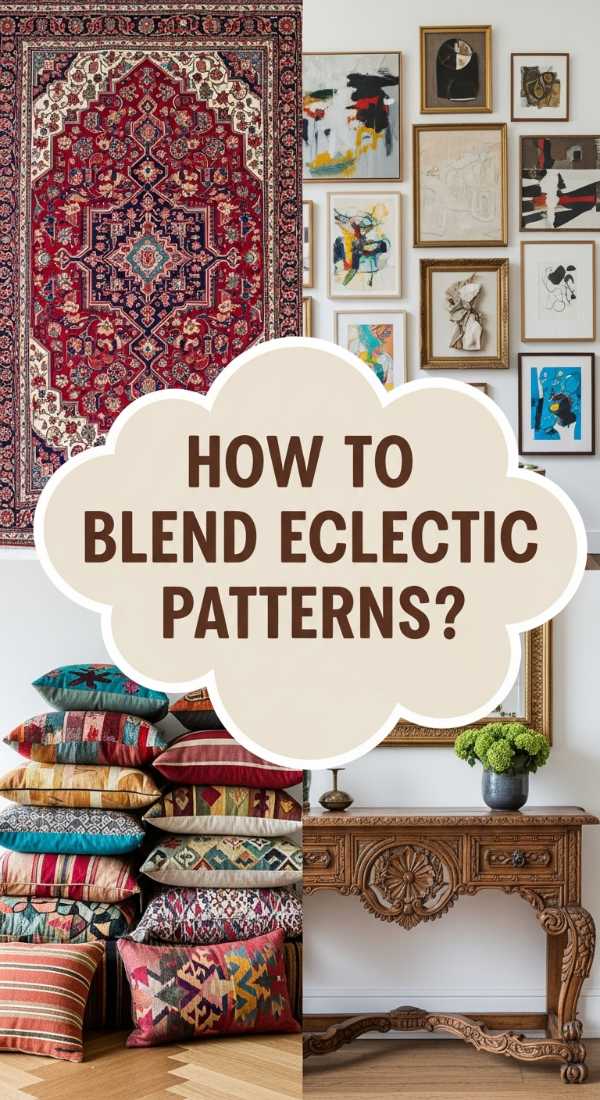
How to Blend Eclectic Patterns for a Bold Personal Statement

Why we love this
Eclectic decor is all about celebrating your unique personality and the stories behind the things you love, turning your bedroom into a vibrant gallery of your life. There is a playful energy in mixing a vintage floral quilt with a geometric rug and abstract wall hangings that feels incredibly curated and fearless. We love how this style allows for endless creativity, where every corner holds a new visual surprise and the clashing textures create a rich, soulful tapestry of design.
Essential Elements:
- A mix of vintage and modern textiles.
- Patterned throw pillows in varying scales (small, medium, large).
- A gallery wall featuring diverse art styles and frame finishes.
- Colorful upholstery or a statement headboard.
How to make it
- Choose a ‘bridge color’—one consistent hue that appears in all your chosen patterns—to serve as the unifying thread for the entire room.
- Start with your largest pattern (usually the rug) and use it to set the ‘intensity’ of the room; if the rug is bold, keep the wall color more neutral to balance the heat.
- Layer your bedding by mixing a large-scale print (like a wide stripe) with a medium-scale print (like a floral) and a small-scale texture (like a waffle weave).
- Arrange your gallery wall on the floor first, mixing vintage gold frames with modern black ones, ensuring a 2-3 inch gap between each piece for a cohesive ‘chaos.’
- Step back and assess the ‘vibrancy’; if one area feels too busy, swap one patterned item for a solid-colored piece in your bridge color to allow the eye to rest.
How to Bring Botanical Beauty Indoors for a Fresh Morning Feel

Why we love this
There is an undeniable magic in waking up surrounded by living, breathing greenery that filters the air and connects you to the natural world. The botanical aesthetic transforms a sterile room into a lush, tropical oasis where the vibrant greens of Monstera leaves and the trailing vines of Pothos create a sense of vitality and growth. It’s like sleeping in a secret garden, where the scent of damp soil and fresh oxygen provides the ultimate morning pick-me-up.
Essential Elements:
- A variety of indoor plants (Snake plants, Peace Lilies, Pothos).
- Terracotta or ceramic pots in organic shapes.
- Hanging macramé planters for vertical interest.
- Natural linen curtains that allow soft, filtered sunlight.
How to make it
- Identify the ‘light zones’ in your room by observing where the sun hits at different times of the day to ensure you place the right plant in the right environment.
- Position a large, structural plant like a Fiddle Leaf Fig in a corner to soften sharp architectural lines and add height.
- Install ceiling hooks for trailing plants; place them at varying heights to create a ‘canopy’ effect over a reading nook or the foot of the bed.
- Group smaller succulents or ferns in odd numbers (three or five) on window sills or dressers, using pots of different heights to create a mini-landscape.
- Check the ‘leaf health’ weekly, wiping dust off large leaves with a damp cloth to ensure they can photosynthesize effectively and maintain their deep, glossy green color.
How to Curate Velvet Textures for a High-End Luxe Bedroom

Why we love this
Velvet is the ultimate shorthand for luxury; its deep pile and ability to catch the light give any room an immediate sense of regality and depth. We love the way a jewel-toned velvet headboard feels against the skin—cool yet cozy—and how it adds a sophisticated ‘weight’ to the decor that makes the space feel expensive and intentional. It’s the perfect fabric for those who want their bedroom to feel like a private, five-star suite where every touch point is a indulgence.
Essential Elements:
- A velvet upholstered headboard or bed frame.
- Heavy velvet blackout curtains in deep tones like emerald or navy.
- Velvet bolster pillows or a quilted velvet coverlet.
- Metallic accents (brass or gold) to complement the fabric sheen.
How to make it
- Select your ‘anchor piece’—usually a velvet headboard—in a rich jewel tone like forest green, midnight blue, or burgundy to set a luxurious tone.
- Hang velvet curtains at least 6-10 inches above the window frame and let them ‘puddle’ slightly on the floor (about 1-2 inches) for a high-end, custom look.
- Layer a quilted velvet throw at the foot of the bed over a cotton duvet; the contrast between the matte cotton and the shimmering velvet adds sophisticated dimension.
- Integrate metallic elements like a brass floor lamp or gold-rimmed picture frames; the gold ‘glow’ will reflect off the velvet fibers for a luminous effect.
- Use a velvet brush or a low-suction vacuum attachment once a month to keep the ‘nap’ of the fabric standing up, ensuring the color looks consistent and rich.
How to Open Small Bedroom Spaces for a Breathable Layout

Why we love this
Small bedrooms have a unique potential for extreme coziness, but the key is making them feel like a jewel box rather than a cage. By mastering spatial flow and using light-reflecting surfaces, you can create a room that feels surprisingly airy and expansive. We love the cleverness of this design style, where every inch is used purposefully, and the layout encourages a sense of ‘flow’ that makes even the tiniest studio feel like a grand master suite.
Essential Elements:
- Large floor-to-ceiling mirrors to double the visual space.
- Multifunctional furniture like storage beds or wall-mounted desks.
- Sheer, light-colored window treatments.
- Acrylic or glass furniture to minimize visual ‘weight.’
How to make it
- Place a large mirror directly opposite your main window; this ‘cooks’ the light by reflecting it deep into the room, instantly making the walls feel further apart.
- Swap bulky bedside tables for wall-mounted floating shelves; this exposes more floor space, which is a visual cue for ‘roominess’ and ‘openness.’
- Choose a bed with an open leg design or a transparent acrylic chair; these pieces allow the eye to see through them, preventing the room from feeling ‘crowded.’
- Paint the walls and the ceiling the same light, cool-toned color (like a soft white or very pale blue) to erase the ‘boundary lines’ of the room.
- Organize your closet with a uniform hanger system and keep the doors closed to prevent visual clutter from ‘bleeding’ into the main sleeping area.
How to Soften Midnight Lighting for a Peaceful Evening Routine

Why we love this
The way you light your room dictates how your body prepares for sleep, and ‘soft’ lighting is the bridge between a busy day and a deep slumber. Moving away from harsh overhead ‘big lights’ and into a world of amber glows and twinkling fairy lights creates a magical, cocoon-like atmosphere. We love how warm light softens the edges of furniture and casts long, gentle shadows that make the room feel intimate, safe, and incredibly romantic.
Essential Elements:
- Warm-toned LED fairy lights or ‘string’ lights.
- Himalayan salt lamps for a natural orange glow.
- Dimmable smart bulbs with ‘sunset’ modes.
- Candles (battery-operated or soy-based) in frosted glass holders.
How to make it
- Install ‘layers’ of light at different heights: a floor lamp for general warmth, bedside lamps for reading, and string lights for atmospheric ‘sparkle.’
- Replace all cool-white bulbs with ‘Warm White’ or ‘Amber’ bulbs (2700K or lower) to reduce blue light exposure and signal to your brain that it is time to wind down.
- Drape warm-toned fairy lights behind a sheer curtain or around a headboard; use small clear adhesive hooks to secure the wire so it looks ‘invisible.’
- Position a salt lamp or a small amber glow-light in a corner to eliminate ‘dead zones’ and ensure every part of the room feels warm and inhabited.
- Set your smart lights to a ’30-minute fade’—start at 100% brightness and have them slowly dim to 10% over the half-hour before your bedtime for a natural transition.
How to Weave Woven Rattan Accents for a Relaxed Boho Retreat

Why we love this
Rattan and wicker bring an organic, handcrafted warmth to a bedroom that feels both nostalgic and modern. There is a beautiful ‘honesty’ in natural materials that makes a room feel relaxed and unpretentious, perfect for a boho-inspired retreat. We love the intricate patterns of the weave and the way these pieces add architectural interest without the heaviness of solid wood, making your bedroom feel like a breezy, coastal getaway every single night.
Essential Elements:
- A sunburst rattan headboard.
- Woven seagrass storage baskets for blankets.
- A rattan ‘egg’ chair or a simple wicker accent stool.
- Macramé wall hangings with natural wood dowels.
How to make it
- Introduce a ‘statement’ rattan piece, like a headboard or a large arched mirror, to act as the primary texture for the room.
- Layer in smaller woven accents like seagrass baskets at the foot of the bed; use these to store extra pillows, which keeps the floor organized and adds visual ‘weight.’
- Hang a woven pendant light cover over your existing ceiling fixture; when lit, the weave will cast beautiful, intricate patterns across the walls.
- Balance the ‘dryness’ of the wood and rattan with soft textiles like linen bedding or a cotton tasseled throw to ensure the room feels comfortable, not scratchy.
- Maintain your rattan by lightly dusting it with a soft brush once a month to prevent buildup in the weave, keeping the natural honey-gold color bright.
How to Coordinate Pastel Palettes for a Sweet Dreamy Atmosphere
[IMAGE_10]
Why we love this
Pastels are like a visual lullaby; they are soft, soothing, and evoke feelings of optimism and freshness. By coordinating shades of mint, lavender, blush, and peach, you can create a room that feels like it’s constantly bathed in the soft light of a spring morning. We love how these colors play together without competing, creating a harmonious and ‘sweet’ environment that feels incredibly gentle on the eyes and perfect for drifting off into a peaceful sleep.
Essential Elements:
- Bedding in ‘dusty’ pastel tones (blush pink, sage green, pale lemon).
- Sheer curtains in a complementary pastel shade.
- Matte ceramic vases in varying pastel heights.
- Light-toned wood furniture to keep the palette ‘bright.’
How to make it
- Select a ‘dominant’ pastel (like sage green) for the largest surface area—your duvet or your walls—to act as the anchor for the room.
- Add ‘accent’ pastels (like blush and lemon) through smaller items like throw pillows and art; the key is to keep the saturation levels similar so no one color ‘shouts.’
- Use white or cream as a ‘buffer’ color between different pastels to prevent the room from looking like a candy shop and to give each color space to breathe.
- Incorporate ‘matte’ finishes rather than glossy ones; matte pastel ceramics and paints absorb light, making the colors look deeper and more sophisticated.
- Check the ‘mood’ in different lights; pastels can change drastically from morning to night, so ensure your chosen shades still feel ‘dreamy’ under warm evening lamps.
Conclusion: Your Dream Room Awaits
Transforming your bedroom into a dreamy sanctuary is one of the kindest things you can do for yourself. It’s about more than just aesthetics; it’s about creating a space that supports your well-being and honors your need for rest. By layering textures, playing with light, and introducing elements that speak to your personal style, you turn a simple room into a true home. Remember, your bedroom is your retreat—take your time, enjoy the process, and soon you’ll be drifting off in the space of your dreams.