
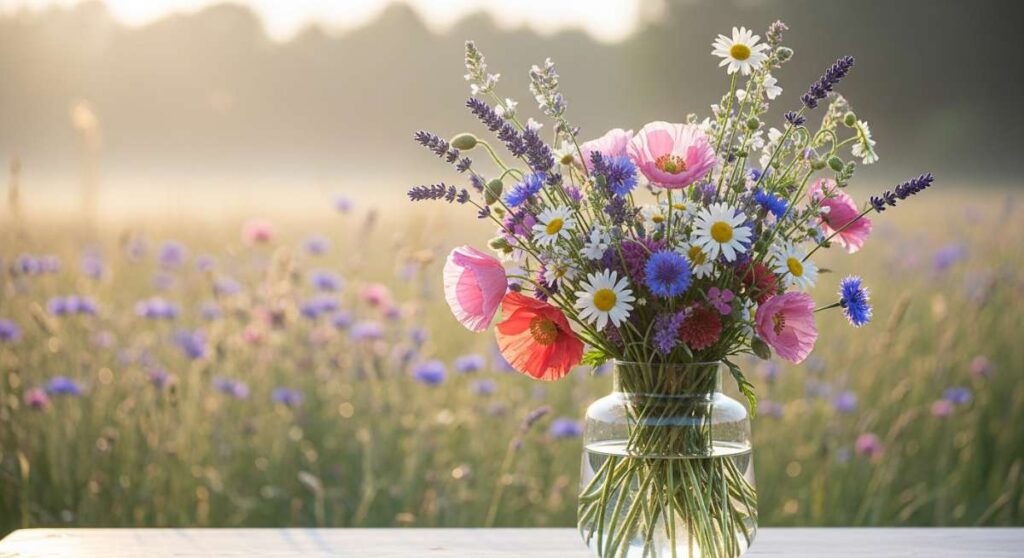
Have you ever woken up and felt like you were still drifting through a soft, sun-drenched meadow? There is a certain kind of magic that comes with bringing the outside in, a quiet poetry found in the petals and stems that decorate our most private spaces. For me, floral decor isn’t just about a print on a duvet; it is about capturing a feeling of eternal spring, where the air always smells of jasmine and the world feels just a little bit kinder. Every time I walk into a room blooming with botanical life, I feel my shoulders drop and a sense of peace wash over me that no modern minimalist design could ever provide.
In this guide, we are diving deep into the art of the floral dreamscape. We aren’t just looking at curtains and rugs; we are curating an atmosphere of romance, whimsy, and soulful comfort. Whether you are a fan of the moody, bold blossoms of a Dutch Master’s painting or the delicate, faded whispers of a vintage English garden, there is a way to weave these natural wonders into your home. Let’s explore how to transform your sanctuary into a living bouquet that reflects your unique spirit and style.
How to Curate Vintage Floral Bedding for Timeless Elegance

Why we love this
There is an undeniable soulfulness in vintage floral bedding that feels like a warm hug from the past. We love this look because it prioritizes the lived-in softness of high-quality cotton and the romantic nostalgia of faded rosebuds and rambling vines. Imagine the scent of lavender sachets and the tactile pleasure of a cool, crisp pillowcase that has only gotten better with age; it creates a timeless sanctuary that feels both grounded and ethereal. It is the perfect way to anchor a room in history while maintaining a light, airy aesthetic that never goes out of style.
Essential Elements:
- High-thread-count long-staple cotton or linen.
- Subtle, desaturated color palettes (dusty rose, sage green, cream).
- Scalloped edges or delicate lace trim.
- Hand-stitched quilts or matelassé coverlets.
- Heirloom-style pillow shams with fabric-covered buttons.
How to make it
- Sourcing the Foundation: Begin by searching for authentic vintage pieces or high-quality reproductions that feature small-scale ‘calico’ or ‘sprig’ patterns. Look for 100% natural fibers to ensure the breathability and texture are correct for the period.
- The Layering Phase: Start with a crisp white or cream fitted sheet as your neutral base. Lay the floral flat sheet face-down so that when you fold the top edge over the duvet, the beautiful pattern is visible.
- Softening the Palette: Introduce a secondary floral pattern in a slightly different scale—perhaps a larger rose print on the pillow shams—to create visual depth without overwhelming the senses.
- The Finishing Press: For that professional, polished look, lightly starch the pillow flanges and the top fold of the sheet. Use a steam iron on a medium-high setting to remove stubborn wrinkles, ensuring the floral motifs pop against the smooth fabric.
- The Cozy Anchor: Drape a solid-colored, quilted throw at the foot of the bed in a color pulled directly from the floral print, such as a muted moss or a soft terracotta, to ground the entire ensemble.
How to Design a Floral Bedroom Aesthetic for Ultimate Relaxation

Why we love this
Creating a space dedicated to relaxation requires a delicate balance of visual stimulation and soothing textures. A floral bedroom aesthetic achieved through soft, watercolor-like prints offers a sense of fluidity and movement that mimics the natural world’s calming influence. We love how the gentle curves of petals can soften the hard lines of a room, creating a cocoon of comfort where the mind can finally rest after a long day. It feels like stepping into a private garden where the humidity is perfect, the light is golden, and the only thing on your agenda is a deep, restorative sleep.
Essential Elements:
- Watercolor floral wallpaper or murals.
- Sheer, floor-to-ceiling linen curtains.
- Dimmable warm-toned lighting (2700K).
- Plush, oversized area rugs in neutral tones.
- Essential oil diffuser with chamomile or ylang-ylang.
How to make it
- Setting the Scene: Choose a focal wall for your floral element, preferably the wall behind the headboard. Apply a large-scale, soft-focus floral wallpaper that uses a gradient of cool tones like periwinkle, lavender, and soft mint.
- Light Filtering: Install a double-track curtain rod. Place sheer, off-white panels on the inner track to filter sunlight into a soft glow, and heavier blackout drapes in a solid pastel on the outer track for total darkness during sleep.
- Symmetry and Scale: Place matching nightstands on either side of the bed to provide a sense of order. Use bedside lamps with pleated fabric shades to further diffuse the light and add a touch of traditional floral charm.
- Textural Integration: Layer the bed with a variety of textures—a silk duvet cover, a chunky knit throw, and velvet pillows. The goal is to provide multiple sensory touchpoints that signal to the brain it is time to relax.
- Aromatic Finishing: Place a small vase of fresh, low-scented greenery like eucalyptus or silver dollar gum on the nightstand. The subtle, clean aroma enhances the ‘outdoor’ feeling without being cloying.
How to Master French Country Style for a Romantic Atmosphere

Why we love this
French Country style is the epitome of effortless romance, blending the rustic charm of a farmhouse with the refined elegance of a chateau. We love this look because it isn’t afraid of a little imperfection; a chipped painted dresser or a slightly rumpled linen bedspread only adds to the character. It celebrates the beauty of the countryside with Toile de Jouy patterns and lavender-filled vistas, making every morning feel like a slow brunch in Provence. It’s a style that feels curated yet lived-in, sophisticated yet incredibly inviting, and always deeply, unapologetically romantic.
Essential Elements:
- Toile de Jouy fabrics in blue, red, or charcoal.
- Distressed wood furniture with curved silhouettes.
- Wrought iron bed frames or accents.
- Fresh lavender or dried bundles.
- Gilded mirrors with ornate floral carvings.
- Crystal chandeliers or sconces.
How to make it
- Selecting the Toile: Identify your primary color story—traditionally blue and white or red and cream. Use Toile de Jouy for the main focal points, such as the window treatments or a high-back accent chair, to establish the French narrative.
- Furniture Distressing: If your furniture is too modern, use a milk paint technique. Apply two coats of a soft grey or white, then lightly sand the edges and corners where natural wear would occur to reveal the wood underneath.
- Metal Accents: Incorporate a wrought iron element, such as a headboard or a set of wall hooks. The dark, heavy metal provides a necessary contrast to the delicate floral patterns and soft fabrics.
- The Romantic Glow: Replace standard overhead lights with a small crystal chandelier. The way the light refracts through the glass mimics sunlight dancing through dew-covered flower petals.
- Botanical Styling: Display fresh flowers in white ceramic pitchers rather than formal vases. Opt for “wild” arrangements including peonies, hydrangeas, and plenty of leafy fillers to maintain that effortless, gathered-from-the-meadow look.
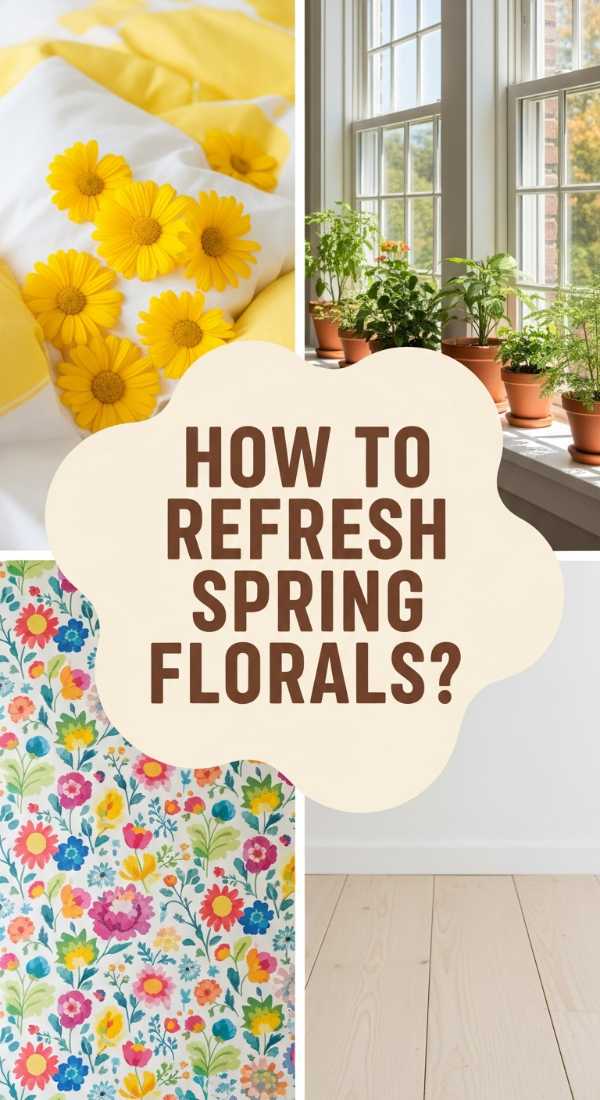
How to Refresh Your Floral Bedroom for a Sunny Disposition
Why we love this
When the seasons change and the light starts to linger, there is nothing like a sunny floral refresh to boost your mood and energy. We love this aesthetic for its use of vibrant yellows, bright corals, and crisp whites that seem to trap the sunshine within the four walls of your bedroom. It’s a cheerful, high-vibe approach to florals that feels like a fresh start every single day. Walking into a room filled with sunflowers, daisies, and bright citrus-toned accents is an instant antidote to the doldrums, making your home feel like a permanent summer holiday.
Essential Elements:
- Bright yellow and orange floral motifs.
- White-washed wood or wicker furniture.
- Lightweight cotton quilts.
- Citrus-scented room sprays or candles.
- Sun-catcher crystals in the windows.
How to make it
- Color Saturated Accents: Swap out dark winter bedding for a white base featuring oversized, bright floral prints like marigolds or yellow poppies. The white space between the flowers is key to keeping the room feeling airy rather than cluttered.
- Harnessing Natural Light: Remove heavy drapes and replace them with light-reflecting white blinds or thin cotton cafe curtains. This allows the maximum amount of vitamin D to flood the space and illuminate the floral patterns.
- Wicker and Rattan: Introduce natural textures through a wicker hamper or a rattan side chair. These materials naturally evoke a sunny, outdoor patio vibe that complements the floral theme perfectly.
- The Visual Pop: Place a vibrant yellow or orange ceramic lamp on your dresser. Choose a bulb with a ‘daylight’ spectrum (5000K) to keep the room feeling bright even on cloudy days.
- Live Flora: Bring in a potted sunflower or a bright yellow Kalanchoe plant. The presence of living, breathing yellow blossoms reinforces the sunny disposition of the decor.
How to Embrace Cottagecore Charm for a Whimsical Home

Why we love this
Cottagecore is more than a trend; it is a love letter to a simpler, more intentional way of living that celebrates the whimsy of the forest and the field. We love this style for its unapologetic embrace of ‘too muchness’—think layers of lace, jars of dried wildflowers, and prints that look like they were pulled from a Victorian field guide. It turns a home into a storybook setting where every corner holds a tiny, delightful detail. It’s the ultimate expression of cozy enchantment, making you feel as though you are living in a hidden cottage deep in the woods, even if you are in the heart of the city.
Essential Elements:
- Dried flower garlands and pressed flower art.
- Mismatched vintage china used as jewelry dishes.
- Lace doilies and hand-knitted blankets.
- Earthy tones mixed with floral pastels.
- Open shelving with jars of herbs and botanicals.
How to make it
- Creating the Wall Gallery: Collect several wooden frames of varying sizes. Press local wildflowers between heavy books for two weeks, then mount them on tea-stained paper within the frames to create a botanical art wall.
- Layering Textiles: Instead of a matching bed set, mix three different patterns: a small floral, a subtle stripe, and a solid textured knit. Ensure they all share one common color, like a soft sage green, to maintain cohesion.
- Whimsical Lighting: String warm-toned fairy lights behind a sheer floral canopy over the bed. This creates a soft, magical glow that emphasizes the whimsical nature of the space.
- Found Objects: Incorporate elements from nature like a smooth river stone used as a paperweight or a piece of driftwood displayed on a shelf. This grounds the florals in a more organic, earthy context.
- The Scent of the Woods: Use a beeswax candle or wood-smoke incense to add a layer of rustic aroma that perfectly complements the visual floral ‘clutter’ of the room.
How to Layer Bold Floral Patterns for an Eclectic Statement

Why we love this
For those who find beauty in the dramatic and the daring, layering bold floral patterns is the ultimate way to make a personal statement. We love this approach because it defies the rules of ‘matching’ in favor of a rich, maximalist tapestry of color and scale. Big, blowsy peonies against a dark velvet background feel sophisticated and edgy, while mixing different floral traditions—like Chinoiserie and English Garden—creates a space that feels worldly and well-traveled. It is a high-energy look that celebrates the power of nature in its most vibrant, theatrical forms.
Essential Elements:
- Large-scale floral prints with high contrast.
- Velvet upholstery in jewel tones (emerald, sapphire, plum).
- Gold or brass metallic accents.
- Art Deco or mid-century modern furniture pieces.
- Exotic indoor plants like Monstera or Birds of Paradise.
How to make it
- Selecting the ‘Hero’ Print: Choose one dominant floral pattern—usually on the rug or the duvet—that contains at least four different colors. This will serve as your master palette for the rest of the room.
- Scaling for Impact: Follow the 60-30-10 rule. Use your hero floral for 60% of the room, a medium-scale geometric or striped pattern for 30%, and a tiny, contrasting floral for the final 10% (like on a single lumbar pillow).
- Color Blocking: Use solid velvet pillows in the boldest color found in your floral print to provide ‘resting spots’ for the eye. This prevents the multiple patterns from becoming visually chaotic.
- Metallic Highlights: Use brass or gold picture frames and lamp bases. The warmth of the metal reflects the richness of the bold floral colors, adding a layer of luxury to the eclectic mix.
- Vertical Greenery: Add height with a tall, leafy plant in a dark ceramic pot. The solid green of the leaves acts as a natural neutral that bridges the gap between different floral prints.
How to Blend Botanical Prints for an Organic Sanctuary

Why we love this
Blending botanical prints focuses more on the ‘green’ side of florals, emphasizing leaves, ferns, and scientific illustrations over bright blossoms. We love this look because it creates an organic sanctuary that feels incredibly fresh and restorative, like taking a deep breath in the middle of a forest. It leans into a more gender-neutral, earthy aesthetic that prioritizes natural textures like hemp, jute, and unbleached cotton. It’s a sophisticated way to do ‘floral’ that feels modern, grounded, and deeply connected to the quiet cycles of growth and renewal.
Essential Elements:
- Scientific botanical illustrations (ferns, moss, eucalyptus).
- Neutral color palette of sage, olive, sand, and charcoal.
- Natural materials like jute rugs and linen bedding.
- Terrariums and glass-enclosed plant specimens.
- Wooden furniture with visible grain.
How to make it
- Pattern Selection: Look for ‘leafy’ prints rather than ‘flowery’ ones. Choose fabrics that feature detailed line drawings of oak leaves, ginkgo, or ferns on a neutral background like oatmeal or flax.
- Material Contrast: Pair a smooth linen botanical duvet with a rough-textured jute or sisal rug. The contrast in tactile sensation reinforces the ‘organic’ feel of the space.
- Framing the Science: Hang a series of three to six identical black-framed botanical prints in a grid. This brings a sense of modern order to the wilder natural patterns and acts as a sophisticated focal point.
- Bringing the Outside In: Use clear glass vases of various heights to display single branches or oversized leaves. The transparency of the glass keeps the focus entirely on the organic forms of the plants.
- Subdued Lighting: Use ‘warm dim’ LED bulbs that mimic the soft, dappled light of a forest floor. Avoid harsh overhead lighting; instead, use low-placed floor lamps with paper or linen shades.
How to Choose Silk Floral Bedding for a Luxurious Retreat

Why we love this
Silk floral bedding is the pinnacle of bedroom luxury, offering a sensory experience that is both visually stunning and physically indulgent. We love how the natural sheen of silk makes floral patterns appear to glow, giving them a three-dimensional quality that cotton simply cannot match. It’s about the way the fabric glides against the skin, keeping you cool in the summer and warm in the winter, all while looking like a masterpiece of textile art. This is for the person who wants their bedroom to feel like a high-end boutique hotel suite, where every detail is chosen for its exquisite quality and elegance.
Essential Elements:
- 100% Mulberry silk sheets and duvet covers.
- Intricate floral embroidery or jacquard weaves.
- A palette of champagne, silver, and soft peony pink.
- Down-filled duvets for maximum loft.
- Padded silk headboard.
How to make it
- Identifying Quality: When shopping, check the ‘momme’ weight of the silk; 19-25 momme is ideal for bedding as it provides the perfect balance of durability and drape. Look for silk jacquard, where the floral pattern is woven into the fabric rather than just printed on top.
- The Foundation Layer: Use a high-quality mattress topper to ensure the bed is as soft as the silk itself. Start with a silk fitted sheet—the smoothness reduces friction on both skin and hair.
- Building the Loft: Use a high-fill-power down comforter inside the silk duvet cover. Shake the duvet vigorously each morning to trap air, which makes the silk surface look taut and luminous.
- Pillow Arrangement: Use four standard pillows and two large king shams. Place the embroidered silk shams at the front so the intricate floral details are the first thing you see.
- Caring for the Shine: Never use harsh detergents. Wash your silk bedding on a delicate cycle with a pH-neutral silk wash, and always air dry out of direct sunlight to preserve the vibrancy of the floral colors.
How to Use Pastel Floral Textures for a Dreamy Space

Why we love this
Pastel floral textures create a space that feels as light and airy as a cloud. We love this look for its soft, ethereal quality—think mint greens, baby blues, and the palest of pinks blended into a haze of delicate petals. It is a design style that feels incredibly youthful and hopeful, perfect for creating a ‘dreamy’ space where you can escape the noise of the outside world. The use of textures like ruffled edges, tufted florals, and soft chenille adds a layer of playfulness that makes the room feel cozy and enchanted, like a scene from a modern-day fairy tale.
Essential Elements:
- Pastel color palette (macaron colors).
- Textured floral elements (3D fabric petals, tufting).
- Sheer organza or tulle accents.
- White or light grey painted furniture.
- Soft, diffused ‘cloud’ lighting.
How to make it
- Texture Selection: Look for ‘shabby-chic’ inspired bedding that features 3D elements, such as fabric roses sewn onto the duvet or pillows with tufted floral patterns. This adds physical depth to the pastel colors.
- Layering Tones: Don’t stick to just one pastel. Mix a soft peach with a pale lavender and a mint green. Because they share the same ‘tint’ (white base), they will harmonize perfectly without clashing.
- The Window Treatment: Use multi-layered curtains. Start with a solid pastel base and top it with a sheer organza overlay featuring a subtle floral embroidery. This creates a soft, hazy look when the light hits it.
- Furniture Finish: Paint wooden furniture in a matte ‘marshmallow’ white. This provides a clean, soft backdrop that allows the pastel textures of the bedding to stand out.
- Accent Decor: Use iridescent or ‘aurora’ glass vases. The rainbow sheen on the glass mimics the delicate, multi-toned nature of pastel petals and adds to the dreamy atmosphere.
How to Combine Rustic Wood with Floral Accents for Cozy Comfort

Why we love this
There is a rugged beauty in the combination of sturdy, rustic wood and delicate floral accents. We love this aesthetic because it balances the masculine and the feminine, the hard and the soft, creating a space that feels incredibly balanced and grounded. The warmth of natural wood grains provides the perfect earthy stage for floral prints to shine, preventing them from feeling too ‘precious’ or delicate. It’s a look that evokes a cozy mountain cabin or a renovated barn, where the history of the materials meets the freshness of a garden, resulting in ultimate comfort and soul.
Essential Elements:
- Reclaimed wood headboards or ceiling beams.
- Heavyweight floral quilts or wool blankets.
- Warm, earthy floral prints (sunflowers, wildflowers, autumn leaves).
- Cast iron hardware.
- Braided rugs or cowhide.
How to make it
- Establishing the Wood: If you don’t have natural wood features, add a reclaimed wood headboard or floating shelves made of thick, live-edge timber. The more texture and knots in the wood, the better the contrast with the florals.
- Floral Weight: Choose ‘heavier’ floral fabrics like tapestry or thick jacquard rather than thin silks. Look for patterns with darker backgrounds—navy, deep forest green, or charcoal—to match the weight of the wood.
- Balancing the Bed: Pair a chunky knit throw blanket in an oatmeal color with floral print pillowcases. The ‘rough’ knit mimics the texture of the wood, while the florals provide the softness.
- Hardware Contrast: Replace standard drawer pulls with matte black cast iron handles. This ‘industrial’ touch grounds the floral elements and ties in with the rustic wood theme.
- Earthy Flora: Instead of hothouse flowers, use ‘rustic’ botanicals in your styling—think dried thistles, wheat stalks, and dark-colored wildflowers in heavy stoneware crocks.
Embracing Your Own Floral Dream
Whether you find yourself drawn to the crisp luxury of silk or the weathered charm of a rustic cabin, incorporating floral aesthetics into your home is an act of self-care. It’s about more than just decor; it’s about surrounding yourself with the symbols of growth, beauty, and the enduring cycles of nature. As you curate your own ‘Whispers of Wildflowers,’ remember that there are no hard rules—only the feelings that these patterns evoke in you. Let your home be your garden, and may it bloom in every season.