

Have you ever walked into a room and felt like you could finally, truly exhale? We live in a world that is constantly asking for our attention, buzzing with notifications and cluttered with ‘more.’ But there is a quiet, soulful power in the ‘less.’ Cozy minimalism isn’t about living in a cold, empty white box; it’s about creating a sanctuary that breathes. It’s about stripping away the noise until all that’s left are the things that bring you genuine peace and the textures that make you want to curl up with a good book.
For years, I thought I had to choose between the sleek lines of modern design and the warm, lived-in feel of a cottage. I realized that the magic happens in the middle. When we curate our homes with intention, every object becomes a guest we’ve invited to stay. In this guide, we’re going to explore how to transform your living space into a warm, clutter-free haven where every corner feels like a hug for your soul.
How to Design a Minimalist Living Room for Small Spaces to Maximize Every Inch

Why we love this
There is something incredibly liberating about turning a compact footprint into a spacious-feeling retreat. We love this approach because it challenges the notion that small means cramped; instead, it invites a sense of intimacy and cleverness. Imagine walking into a room where your eyes can travel freely from corner to corner, unhindered by visual ‘thickets.’ The air feels lighter, the light reflects more brilliantly off the intentional surfaces, and the sheer lack of physical clutter translates immediately into a lack of mental clutter.
Essential Elements:
- Leggy furniture that allows light to pass underneath.
- A monochromatic color palette with varying textures.
- Multi-functional pieces like storage ottomans.
- Sheer floor-to-ceiling drapery to draw the eye upward.
- Strategically placed mirrors to double the visual depth.
How to make it
- Begin by ‘clearing the canvas.’ Remove every single item from the room until you are left with only the walls and the floor. This allows you to see the true architecture of the space without emotional attachment to old placements.
- Select your anchor piece—usually the sofa. For small spaces, choose a ‘mid-century’ profile with exposed legs. This creates ‘visual floor space’ which tricks the brain into seeing more square footage. Set the ‘heat level’ of the room by choosing a warm white or oatmeal fabric.
- Introduce ‘negative space’ as a design element. Leave at least 18 inches of walkway between furniture pieces. If a piece of furniture blocks the natural flow of traffic, it must be removed or swapped for a smaller scale.
- Apply the verticality rule. Install shelving units that reach toward the ceiling. This draws the gaze upward, making the ceiling feel higher and the footprint feel less confined.
- Finalize the ‘cure time’ by living with the minimal arrangement for 48 hours before adding any decor. This ensures the layout is functional and peaceful before you introduce styling elements.
How to Achieve a Cozy Minimalist Living Room for the Perfect Home Sanctuary

Why we love this
This is the heart of the home, the place where the day’s stress is meant to dissolve. We love a cozy minimalist sanctuary because it prioritizes the human experience over the aesthetic display. It’s about the sensation of soft wool against your skin, the gentle flicker of a beeswax candle, and the way a singular, well-placed plant can bring a room to life. It feels intentional and grounded, offering a soft landing at the end of a chaotic day without the overwhelming visual noise of traditional maximalism.
Essential Elements:
- A deep, plush sofa in a natural fabric like linen.
- Organic shapes in coffee tables or side chairs.
- Soft, ambient lighting sources.
- Handcrafted ceramic vessels.
- A high-quality wool or jute rug.
How to make it
- Start by defining your ‘comfort zones.’ Identify where you most like to sit and ensure that every seat has a dedicated ‘landing spot’ for a drink or a book, eliminating the need for excess furniture.
- Layer your base. Place a large, neutral rug to ground the space. The ‘visual temperature’ should be kept consistent; avoid high-contrast patterns that agitate the eye.
- Introduce organic textures. Bring in a wooden stool or a stone tray. The juxtaposition of smooth surfaces with rough, natural materials creates depth without adding ‘stuff.’
- Curate your ‘soul pieces.’ Select three items that have deep personal meaning—a vintage bowl, a specific art book, or a family heirloom—and give them pride of place. Everything else should be tucked away into hidden storage.
- Adjust the lighting to ‘golden hour’ levels. Replace cool-toned bulbs with warm, 2700K LED bulbs to soften the edges of the room and create an immediate sense of calm.
How to Curate Minimalist Room Decor for an Elevated and Peaceful Home

Why we love this
Curation is the ultimate form of self-care for your environment. We love this because it shifts the focus from ‘buying’ to ‘selecting.’ When you curate, you are acting as the editor of your own life, choosing only the objects that possess both beauty and utility. There is a profound sense of peace that comes from knowing every item on your shelf has a purpose or a story. It elevates the mundane—like a simple ceramic mug—into a piece of art that enhances your daily ritual.
Essential Elements:
- A limited color palette of 3-4 tones.
- Statement greenery like a Fiddle Leaf Fig or Olive tree.
- High-quality textiles (cashmere, heavy cotton).
- Minimalist wall art with plenty of white space.
- Architectural books with clean spines.
How to make it
- Perform a ‘utility audit.’ Pick up every decorative object in the room. If it doesn’t serve a functional purpose or spark an immediate sense of joy, place it in a ‘transition box’ for donation.
- Group objects in odd numbers, specifically the ‘Rule of Three.’ Place a tall vase, a medium candle, and a small tray together. This creates a balanced visual weight that feels professional and intentional.
- Select a focal point for the room—usually a fireplace or a large window. Orient your curated pieces to lead the eye toward this point, creating a sense of order and hierarchy in the design.
- Introduce ‘breathing room’ on surfaces. If you have a mantle, leave 40% of the surface area completely empty. This allows the objects you do choose to display to truly ‘pop’ and be appreciated.
- Check the ‘visual flow’ from the doorway. Walk into the room and notice where your eye stops. If it catches on a cluttered corner, refine that area until the gaze can sweep smoothly across the space.
How to Style a Minimalist Room for Ultimate Everyday Relaxation

Why we love this
A room styled for relaxation is a room that works for you, not the other way around. We love this because it removes the ‘museum’ feeling often associated with minimalism and replaces it with a ‘lived-in’ elegance. It’s the feeling of a perfectly draped throw blanket that looks effortless but was chosen for its weight and warmth. It’s about creating a space where you can actually put your feet up, breathe deeply, and feel completely unburdened by chores or visual clutter.
Essential Elements:
- Oversized floor cushions.
- Dimmable floor lamps.
- A dedicated ‘tech-free’ zone.
- Natural scents like cedarwood or lavender.
- Soft, rounded furniture edges.
How to make it
- Define the ‘relaxation focus.’ Is this a room for reading, napping, or conversation? Arrange the furniture to support that specific activity, removing any pieces that serve unrelated purposes (like a desk in a sleeping area).
- Implement ‘tactile layering.’ Place a silk pillow against a rough linen sofa. This contrast provides sensory feedback that signals the brain it is time to relax and unwind.
- Master the ‘unstructured drape.’ Throw a heavy knit blanket over the corner of a chair. Don’t fold it perfectly; let it puddle slightly on the floor to signal a casual, relaxed vibe.
- Control the olfactory environment. Use a stone diffuser with high-grade essential oils. The ‘scent heat’ should be subtle—enough to notice upon entry, but not so strong that it becomes a distraction.
- Set up a ‘zen corner.’ Place one comfortable chair, a small side table, and a single lamp in a corner. This creates a micro-sanctuary within the room dedicated entirely to stillness.
How to Master Minimalist Home Layouts for Effortless Flow and Organization

Why we love this
Flow is the invisible ingredient of a peaceful home. We love a well-mastered layout because it eliminates the daily friction of living. Imagine never bumping into a chair, never searching for your keys, and moving through your home with a sense of graceful ease. A minimalist layout isn’t just about where the sofa goes; it’s about the pathways between the rooms and the ‘breathing space’ around your furniture that allows energy—and you—to move without resistance.
Essential Elements:
- Wide walkways (at least 3 feet).
- Clear sightlines from one room to another.
- Hidden storage solutions (built-ins).
- Zoned activity areas.
- Symmetry or balanced asymmetry in furniture placement.
How to make it
- Map your ‘traffic patterns.’ Use blue painter’s tape on the floor to mark out the most common paths you walk during the day. Ensure no furniture crosses these lines.
- Apply the ‘balance check.’ If you have a heavy piece of furniture on one side of the room, balance it with a ‘visual weight’ on the other—this could be a large piece of art or a dark-colored chair.
- Utilize the ‘float’ technique. Instead of pushing all furniture against the walls, move the sofa and chairs toward the center of the room. This creates a sense of airiness and sophisticated ‘flow’ around the perimeter.
- Integrate ‘point-of-use’ storage. Place a minimalist basket exactly where clutter tends to accumulate (like near the door for mail). This keeps the organization effortless because it follows your natural habits.
- Verify the ‘visual height’ across the room. Ensure that your furniture heights vary slightly to keep the eye moving, but keep the overall ‘horizon line’ of the room clean and uncluttered.
How to Layer Cozy Minimalist Elements for a Warm and Inviting Vibe

Why we love this
Layering is the secret sauce that prevents minimalism from feeling sterile. We love this because it adds a ‘soulful’ thickness to the room. It’s the difference between a house and a home. By layering different shades of the same color and mixing textures like weathered wood, soft wool, and smooth matte ceramics, you create a rich visual tapestry. It’s inviting because it looks like a space that has been thoughtfully assembled over time, rather than bought from a showroom catalog.
Essential Elements:
- Multiple rug layers (e.g., sheepskin over jute).
- A mix of matte and glossy finishes.
- Tonal color layering (variations of beige, cream, and sand).
- Natural wood accents with visible grain.
- Woven baskets for hidden texture.
How to make it
- Establish your ‘base layer.’ This is your largest surface area, usually a neutral-colored rug or a large sofa. This should be the most ‘silent’ element in the room.
- Apply the ‘texture sandwich.’ If you have a smooth leather sofa, add a chunky knit throw and a soft cotton pillow. Mixing three distinct textures is the professional secret to a ‘warm’ minimalist look.
- Layer your lighting. Use three levels of light: ‘ambient’ (overhead/dimmed), ‘task’ (reading lamp), and ‘accent’ (a small light inside a bookshelf). This creates a 3D depth that single-source lighting lacks.
- Introduce ‘life layers.’ Add a bowl of moss, a branch in a tall vase, or a stack of well-loved books. These elements add an organic, ‘lived-in’ warmth that prevents the room from feeling too ‘perfect.’
- Finalize with ‘scent layering.’ Use a wood-fire scented candle paired with fresh eucalyptus. This adds an invisible layer of coziness that completes the sensory experience.
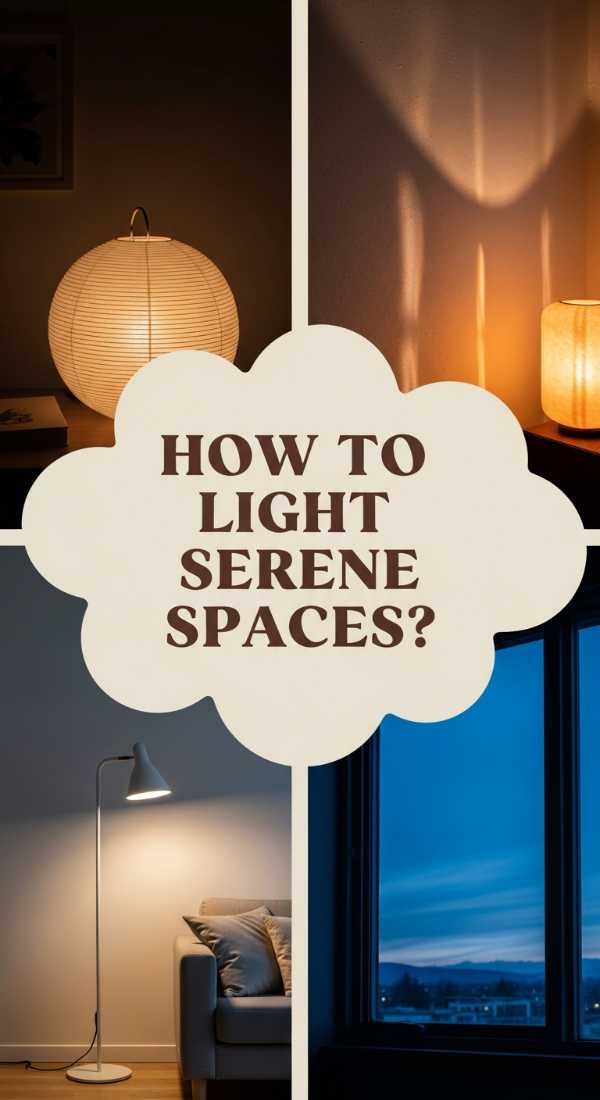
How to Light a Minimalist Living Room for a Serene Evening Atmosphere
Why we love this
Lighting is the ‘mood ring’ of home design. We love this focus because it transforms the space from a functional daytime area into a dreamy, serene evening retreat. When the sun goes down, the way you light your minimalist room dictates how you feel. Soft, warm pools of light create a sense of safety and intimacy, highlighting the textures you’ve carefully chosen while letting the ’emptiness’ of the room fade into a peaceful shadow. It’s pure evening magic.
Essential Elements:
- Warm-toned bulbs (2700K or lower).
- Dimmable switches on all main fixtures.
- Accent ‘puck’ lights for shelving.
- Large-scale paper lanterns for soft diffusion.
- Candlelight (real or high-quality flickering LED).
How to make it
- Identify your ‘shadow zones.’ A minimalist room needs shadows to create depth. Turn off all overhead lights and place small lamps in only two or three corners to create a ‘glow’ rather than a ‘wash.’
- Use ‘uplighting’ for drama. Place a small floor lamp behind a large plant. The light hitting the leaves will cast soft, organic shadows on the ceiling, adding visual interest without adding clutter.
- Calibrate your ‘bulb temperature.’ Ensure every bulb in the room has the exact same Kelvin rating. Mixing ‘cool’ and ‘warm’ whites is the fastest way to make a minimalist room feel cheap and disorganized.
- Introduce ‘flicker.’ Use unscented taper candles in minimalist holders. The ‘timing’ of a candle’s burn encourages a slower pace of life, forcing you to sit still and enjoy the moment.
- Install a ‘smart’ dimming system. Program your lights to slowly dim over 30 minutes as you approach bedtime. This ‘fade-out’ technique signals to your nervous system that it is time for rest.
How to Choose Minimalist Room Decor Colors for a Calm and Sophisticated Look

Why we love this
Color is the emotional foundation of a room. We love a sophisticated minimalist palette because it uses subtle shifts in tone to create a sense of luxury. Moving away from stark, ‘hospital’ white and toward ‘greige,’ ‘bone,’ and ‘taupe’ makes a space feel expensive and grounded. These colors don’t shout; they whisper. They provide a calm backdrop that allows the natural light to dance and your mind to settle, creating a sophisticated environment that never goes out of style.
Essential Elements:
- Warm white base (avoid blue undertones).
- Earth-toned accents (terracotta, sage, or slate).
- Natural wood tones (oak or walnut).
- Black accents for ‘grounding’ (minimalist frames).
- Matte finishes over high-gloss.
How to make it
- Select your ‘dominant neutral.’ This should cover 60% of the room (usually the walls). Choose a white with a ‘hint of peach’ or ‘hint of yellow’ to ensure the ‘heat level’ stays cozy.
- Choose your ‘secondary tone.’ This covers 30% of the space (furniture and rugs). Go two shades darker or lighter than your dominant neutral to create subtle, sophisticated contrast.
- Apply the ‘10% accent’ rule. Choose one muted earth tone—like a dusty sage or a soft clay—and use it only in small doses like a single pillow or a ceramic vase.
- Check your ‘undertones’ in different lights. Paint large swatches on every wall and watch them for 24 hours. A color that looks ‘calm’ at noon might look ‘muddy’ at 6 PM; adjust your choice until it stays sophisticated all day.
- Integrate ‘texture-as-color.’ Sometimes the ‘color’ is actually a texture. A cream boucle chair provides a different ‘visual color’ than a cream linen chair. Use this to add variety without breaking your palette.
How to Create a Living Room Decor Minimalist Haven for Modern Simple Living

Why we love this
This is about the philosophy of ‘Essentialism.’ We love this haven because it represents a lifestyle choice—a commitment to quality over quantity. In a modern minimalist haven, everything has its place, and every piece of technology is integrated seamlessly so it doesn’t disrupt the peace. It’s a space that supports a modern life (remote work, streaming, entertaining) while maintaining a soul-deep simplicity that keeps you from feeling overwhelmed by the ‘modern’ part of the equation.
Essential Elements:
- Cable management systems to hide cords.
- Hidden ‘tech cabinets.’
- Minimalist coffee table books.
- Streamlined, low-profile furniture.
- A clear ‘focal’ artwork piece.
How to make it
- Execute a ‘cord purge.’ Use adhesive clips and cable boxes to hide every single power cord. In a minimalist room, a visible black cord is ‘visual noise’ that ruins the ‘sanctuary’ vibe.
- Select ‘stealth technology.’ Choose a TV that looks like art when off, or hide your speakers inside decorative woven baskets. The goal is to have the utility without the ‘electronic’ aesthetic.
- Focus on ‘quality touchpoints.’ The things you touch every day—door handles, light switches, the coffee table surface—should be made of high-quality materials like brass, wood, or stone.
- Create a ‘daily reset’ ritual. Designate a beautiful tray for ‘daily items.’ At the end of every night, spend 5 minutes putting everything back in its place so you wake up to a ‘clean slate.’
- Maintain the ‘one-in-one-out’ rule. For every new decorative object you bring into your haven, one must leave. This ensures your minimalist ‘equilibrium’ is never disrupted.
How to Refresh Your Minimalist Room for a New Season of Clarity

Why we love this
Refreshing your space is like hitting a ‘reset’ button for your brain. We love this seasonal approach because it prevents a minimalist room from feeling ‘stagnant.’ As the seasons change outside, bringing in tiny, intentional shifts in texture or scent allows you to stay connected to the rhythm of nature. It’s about clarity—clearing out the literal and figurative dust of the previous season to make room for new energy and new perspectives, all while staying true to your clutter-free roots.
Essential Elements:
- Seasonal natural elements (dried grass in fall, fresh branches in spring).
- Weight-appropriate textiles (linen for summer, velvet for winter).
- Seasonal essential oil blends.
- A rotating ‘gallery’ of 1-2 art pieces.
- Clear storage bins for ‘off-season’ items.
How to make it
- Perform a ‘deep clear.’ Every six months, remove every single item from your shelves and wipe them down. The act of ‘touching’ every object allows you to decide if it still aligns with your current vision of clarity.
- Swap your ‘textural weight.’ In the warmer months, remove heavy rugs and thick throws, leaving the floor bare or using light jute. The ‘visual cooling’ effect is immediate.
- Introduce ‘seasonal scents.’ Use a ‘prep time’ of 10 minutes to refresh your diffusers. Use citrus and mint for spring/summer, and amber or clove for autumn/winter to shift the ‘atmosphere heat.’
- Rotate your ‘eye-level art.’ You don’t need more art; you just need to move it. Swap the art in the living room with a piece from the bedroom to see both with ‘new eyes.’
- Update your ‘nature bowl.’ Place seasonal produce or flora on your coffee table—bright green apples in spring, pinecones in winter. This brings the outside in without adding permanent clutter.
Conclusion: Embracing the Quiet Beauty
Creating a cozy minimalist home is a journey, not a destination. It’s a practice of constantly asking yourself what truly adds value to your life and having the courage to let go of the rest. Your home should be a reflection of your inner peace—a warm, inviting sanctuary that supports your dreams and holds your quietest moments. Remember, the ‘art’ in cozy minimalism isn’t about perfection; it’s about presence. It’s about making room for what matters most.
Frequently Asked Questions
Find answers to common questions about starting your journey into cozy minimalism and maintaining a peaceful home.