

The Viral 5-Minute Food Board You Have to Try
We’ve all been there—that frantic 5:00 PM scramble where the kitchen feels more like a battlefield than a sanctuary. You want something that looks like it belongs on a glossy magazine cover but takes the effort of a microwave meal. I discovered this ‘Viral Simple Food Board’ on a particularly rainy Tuesday when my soul needed a hug and my schedule needed a miracle. It’s more than just a meal; it’s a lifestyle shift that brings the joy of communal grazing right to your table without the stress of a formal dinner.
The magic of this food board lies in its versatility. It’s the ultimate hack for entertaining friends or just treating yourself to a fancy solo-night-in. By focusing on vibrant colors, varied textures, and the comfort of perfectly cooked pasta, you’re creating an experience that engages all the senses. Let’s dive into how you can recreate this viral sensation in your own kitchen with these easy-to-follow, mouth-watering pasta variations.
How to make Thai pasta?
Why we love this
There is something deeply satisfying about the marriage of silken pasta strands and the bold, electric zing of Thai flavors. The aroma of toasted sesame oil and fresh ginger wafting from the pan is enough to stop anyone in their tracks, promising a profile that is simultaneously creamy, spicy, and refreshingly bright. As you twirl the noodles, you feel the weight of the rich peanut sauce clinging perfectly to every curve, offering a velvety mouthfeel that is punctuated by the sharp, clean crunch of fresh scallions and bean sprouts.
Ingredients
- Long pasta (Linguine or Fettuccine)
- Creamy peanut butter
- Low-sodium soy sauce
- Freshly squeezed lime juice
- Sriracha or chili garlic sauce
- Toasted sesame oil
- Grated ginger and garlic
How to make it
- Begin by boiling a large pot of heavily salted water. Cook your pasta until it is just shy of al dente, as it will finish slightly in the sauce.
- While the pasta cooks, whisk together the peanut butter, soy sauce, lime juice, ginger, garlic, and sesame oil in a medium bowl. If the sauce is too thick, add a tablespoon of the hot pasta water to emulsify it into a glossy, pourable consistency.
- Drain the pasta, reserving a half-cup of the starchy water. Toss the hot noodles immediately with the sauce over low heat, adding pasta water as needed to create a luxurious coating.
- Observe the noodles; they should look shimmering and fully coated. Turn off the heat once the sauce has thickened to your liking.
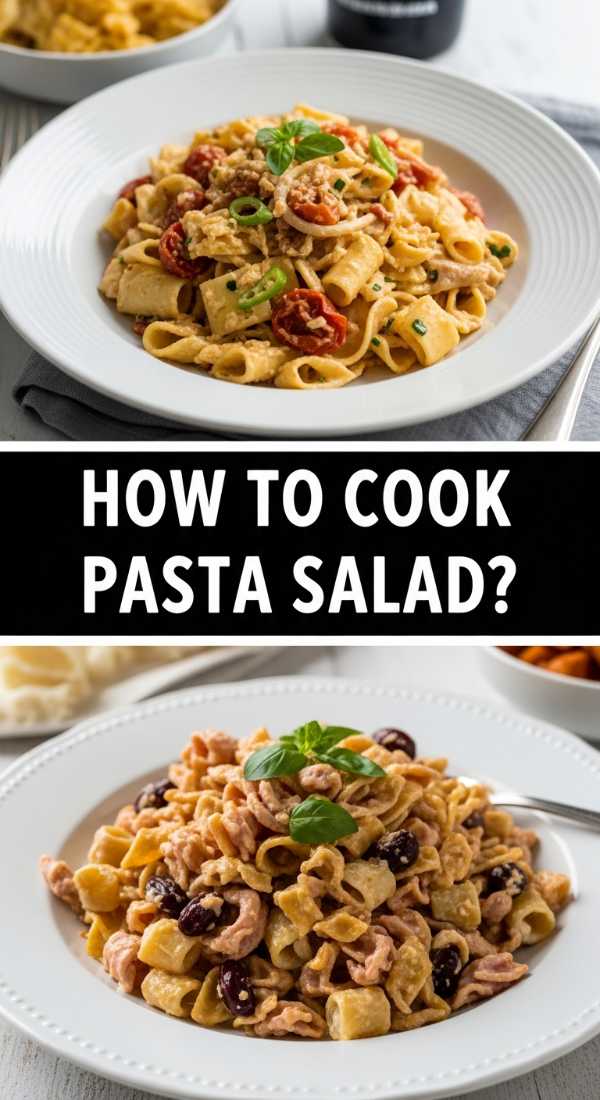
How to cook pasta salad?

Why we love this
A perfectly executed pasta salad is the unsung hero of the outdoor dining world, offering a cool, crisp relief on a warm afternoon. The texture is a delightful playground—from the bouncy bite of the rotini to the snap of garden-fresh cucumbers and the creamy crumbles of feta cheese that melt slightly against the pasta. It smells like a Mediterranean summer, with the herbaceous notes of dried oregano and the tangy punch of red wine vinegar coming together to create a dish that feels light yet remarkably filling.
Ingredients
- Short pasta (Rotini or Fusilli)
- English cucumbers, diced
- Cherry tomatoes, halved
- Kalamata olives, pitted
- Red onion, finely minced
- Feta cheese crumbles
- Dried oregano and black pepper
How to make it
- Cook your pasta in boiling water until it is fully al dente. It is crucial not to overcook the noodles, as they will soften further once they soak up the dressing.
- Drain the pasta and immediately rinse it under cold running water. This stops the cooking process and removes excess starch, preventing the salad from becoming gummy.
- In a large mixing bowl, combine the cooled pasta with your chopped vegetables. Ensure the red onion is minced very finely to avoid overwhelming bites of raw onion flavor.
- Gently fold in the feta cheese and olives last so they maintain their shape and provide distinct pops of saltiness throughout the salad.
How to create pasta dishes?
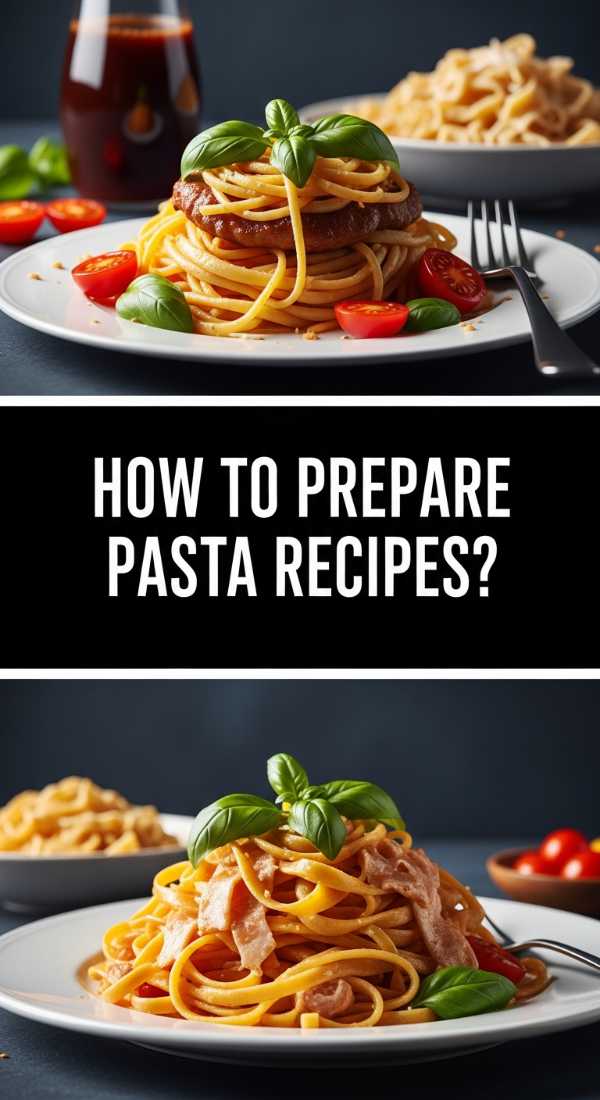
Why we love this
Creating a signature pasta dish is like composing a symphony; it’s about balancing the heavy bass of fats with the high notes of acidity and herbs. The feeling of a well-balanced dish is unmistakable—the way a buttery sauce coats the tongue without feeling greasy, and how the fragrance of fresh basil can transform simple carbohydrates into a gourmet event. It’s a tactile experience, from the steam rising off the colander to the final, rhythmic grating of aged Parmigiano-Reggiano over the top, creating a snow-like dusting of savory goodness.
Ingredients
- High-quality bronze-cut pasta
- Extra virgin olive oil
- Fresh cloves of garlic, thinly sliced
- Red pepper flakes
- Fresh basil leaves
- Pecorino Romano or Parmesan cheese
- Flaky sea salt
How to make it
- Heat the olive oil in a wide skillet over medium-low heat. Add the sliced garlic and red pepper flakes, letting them ‘bloom’ or infuse the oil slowly. The garlic should become golden and translucent, never dark brown or burnt.
- Boil your pasta in water that is ‘salted like the sea.’ This is your only chance to season the pasta itself from the inside out.
- Using tongs, transfer the pasta directly from the water to the skillet. This brings a bit of starchy water with it, which is the secret to a professional sauce.
- Increase the heat to medium and toss vigorously. The agitation helps the oil and water emulsify into a light, creamy sauce that clings to the pasta.
How to prepare pasta recipes?
Why we love this
Preparation is where the soul of the dish is born, turning raw ingredients into a cohesive narrative of flavor and comfort. There is a meditative quality to the prep work—the rhythmic ‘thwack’ of the knife against the cutting board as you dice aromatics and the vibrant colors of fresh produce laid out in mise en place. It creates a sense of anticipation and care that translates directly into the final taste, ensuring that every forkful is a testament to the time spent crafting a wholesome, beautiful meal for those you love.
Ingredients
- Penne or Rigatoni
- Zucchini and bell peppers
- Balsamic glaze
- Garlic powder and onion powder
- Fresh parsley
- Lemon zest
How to make it
- Start by prepping your vegetables into uniform sizes to ensure they cook at the same rate. Roasting them at 400°F with a drizzle of oil and spices until the edges are charred and caramelized is key for deep flavor.
- While the veggies roast, boil your pasta. Timing is everything; aim to have the pasta finished just as the vegetables come out of the oven.
- Toss the roasted vegetables and any accumulated juices from the pan with the cooked pasta. The juices act as a natural, flavorful sauce base.
- Finish the preparation with a bright hit of lemon zest and a drizzle of balsamic glaze to add a layer of sophisticated acidity that cuts through the roasted sweetness.
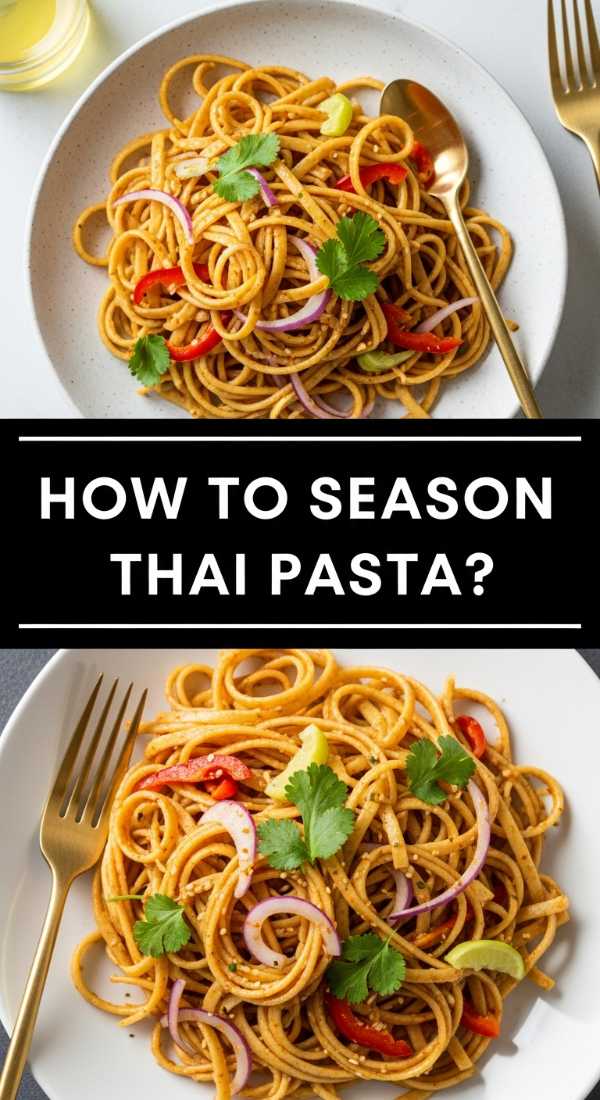
How to season Thai pasta?
Why we love this
Seasoning Thai pasta is an exercise in the four pillars of flavor: sweet, sour, salty, and spicy. When you hit that perfect equilibrium, the dish sings with a complexity that keeps you coming back for ‘just one more bite.’ The aroma is intoxicating, with the earthy scent of toasted peanuts clashing beautifully with the sharp, clean fragrance of fresh cilantro. It’s a sensory journey that warms the palate with a gentle heat while keeping things exciting with bursts of lime and the deep umami of fermented fish sauce or high-quality soy.
Ingredients
- Fish sauce or Tamari
- Brown sugar or coconut sugar
- Rice vinegar
- Bird’s eye chili (optional for heat)
- Fresh cilantro and mint
- Crushed roasted peanuts
How to make it
- Create a seasoning base by mixing your liquid ingredients: the salty fish sauce, the acidic rice vinegar, and the sweet brown sugar. Whisk until the sugar is completely dissolved.
- In a pan, briefly sauté minced chilies in a tiny bit of oil to release their capsaicin. This ensures the heat is distributed evenly throughout the pasta.
- Pour the seasoning base over the warm noodles and toss. The heat from the pasta will help the flavors penetrate deep into the starch.
- Taste and adjust; if it’s too salty, add more lime juice. If it’s too spicy, add a pinch more sugar. This ‘seasoning to taste’ phase is what separates home cooks from chefs.
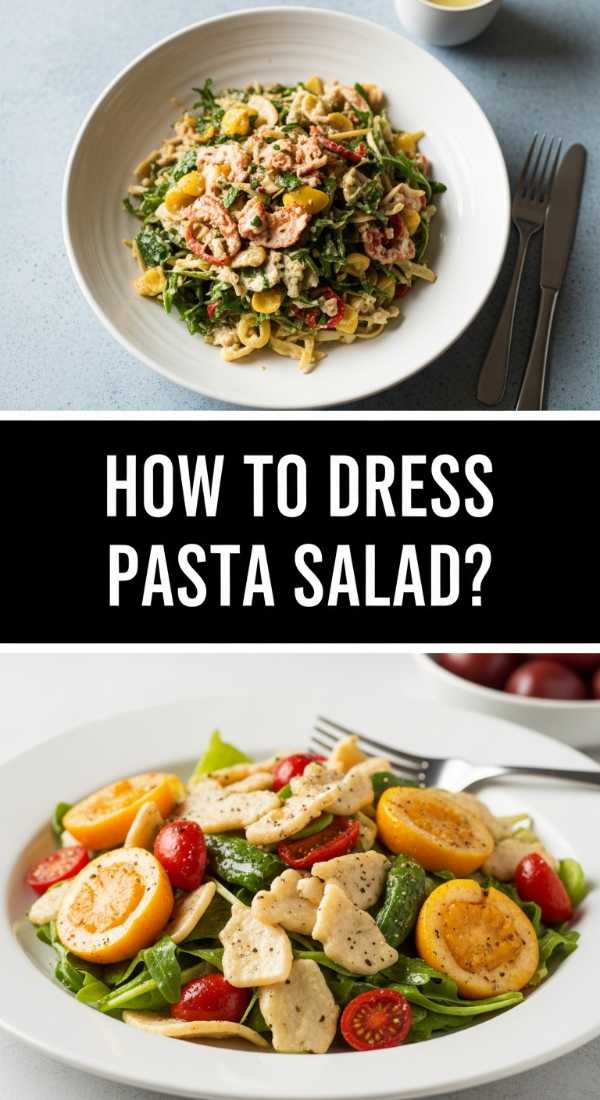
How to dress pasta salad?

Why we love this
The dressing is the ‘wardrobe’ of the pasta salad, transforming it from a pile of ingredients into a finished masterpiece. A well-emulsified dressing has a silky, coating texture that protects the vegetables from wilting while adding a zesty punch that wakes up the entire palate. You can smell the sharp tang of the vinegar and the floral notes of the olive oil the moment it hits the warm pasta, creating a mouth-watering aroma that promises freshness. It’s the element that binds the disparate textures of crunchy veg and soft pasta into one harmonious bite.
Ingredients
- Extra virgin olive oil
- Red wine vinegar or apple cider vinegar
- Dijon mustard (acts as an emulsifier)
- Honey or maple syrup
- Dried Italian herbs (basil, oregano, thyme)
- Salt and cracked black pepper
How to make it
- In a small jar or bowl, combine the vinegar, mustard, honey, and herbs. Mustard is essential here as it helps the oil and vinegar stay combined.
- Slowly drizzle in the olive oil while whisking vigorously. You want to see the mixture transform from two separate liquids into a thick, opaque, and creamy dressing.
- Pour the dressing over the pasta while it is still slightly warm. This allows the pasta to absorb the flavors as it cools, rather than the dressing just sliding off to the bottom of the bowl.
- Let the dressed salad sit for at least 30 minutes in the fridge. This ‘marinating’ time is vital for the flavors to meld and the pasta to reach its peak taste.
How to serve Thai salad?

Why we love this
Serving is about the theater of the meal, and a Thai pasta salad board is a visual feast before it ever touches your lips. The vibrant greens of the herbs against the deep amber of the sauce and the bright orange of shredded carrots create a kaleidoscope of color that feels celebratory. There is a specific joy in the temperature contrast—serving the salad chilled or at room temperature with the crunch of cold toppings provides a refreshing experience that is perfect for shared platters and casual, high-vibe gatherings.
Ingredients
- Shredded purple and green cabbage
- Spiralized carrots
- Fresh bean sprouts
- Lime wedges for squeezing
- Sliced radishes
- Crispy fried onions
How to make it
- Arrange a bed of shredded cabbage and carrots on your large wooden board or platter. This provides a fresh, crunchy base for the pasta to sit on.
- Mound the seasoned Thai pasta in the center of the board, using tongs to create height and volume. High-piled pasta always looks more appetizing than a flat layer.
- Tuck lime wedges into the edges of the pasta so guests can customize their own acidity levels.
- Scatter the bean sprouts and radishes around the perimeter. These should be served raw to maintain their structural integrity and provide that signature ‘snap’ when eaten.
How to mix pasta recipes?

Why we love this
Mixing is where the magic happens—it’s the physical act of bringing different components together to create a unified whole. There’s a specific sound to it, a gentle ‘squelch’ of sauce meeting noodle that signals a well-dressed dish. The feeling of the weight changing as you fold in heavy vegetables or light herbs is incredibly satisfying. It’s about ensuring that every single forkful you take has a bit of everything: the starch, the crunch, the creaminess, and the zest, making each bite a perfect microcosm of the entire recipe.
Ingredients
- Cooked and cooled pasta
- Sun-dried tomatoes
- Toasted pine nuts
- Baby spinach leaves
- Artichoke hearts
- Pesto or cream-based sauce
How to make it
- Use a very large mixing bowl to allow for plenty of ‘tossing room.’ Overcrowding the bowl leads to smashed vegetables and broken noodles.
- Start with the pasta and the sauce first. Use a folding motion—bringing the bottom to the top—rather than a stirring motion, to ensure every nook and cranny of the pasta is filled with sauce.
- Add the heavier ingredients like artichoke hearts and tomatoes next, continuing the gentle folding process.
- Add delicate ingredients like baby spinach or pine nuts last. The residual heat from the pasta (even if it’s mostly cooled) will slightly wilt the spinach without turning it into mush.
How to garnish pasta salad?

Why we love this
Garnishing is the ‘jewelry’ of the food world; it adds that final sparkle and a hint of what’s to come. A sprinkle of fresh herbs or a dusting of zest adds a layer of aromatic complexity that hits the nose before the food even reaches the mouth. It’s about the textural contrast—the way a brittle, toasted seed or a crispy onion bit shatters against the soft pasta. Garnishing turns a standard meal into a ‘viral-worthy’ masterpiece, showing that you’ve put thought and care into the very last detail of the presentation.
Ingredients
- Microgreens or pea shoots
- Toasted sesame seeds or sunflower seeds
- Chili flakes or smoked paprika
- Edible flowers (optional for a high-end look)
- Extra drizzle of high-quality oil
- Freshly cracked peppercorns
How to make it
- Wait until the very last second before serving to add your garnishes. This ensures that the ‘crunchy’ elements don’t absorb moisture from the salad and become soggy.
- Sprinkle seeds or nuts from a height of about 12 inches. This ensures an even distribution across the entire board rather than clumps in one area.
- Layer your herbs. Start with larger leaves like basil or mint at the bottom, and finish with delicate microgreens or finely chopped chives on top.
- Finish with a final, very light ‘kiss’ of sea salt or chili flakes to make the colors pop and the flavors stand out.
How to master pasta dishes?
[IMAGE_10]
Why we love this
Mastery comes from understanding the ‘why’ behind the ‘how.’ It’s that intuitive feeling you get when you know exactly when the pasta has reached the perfect al dente bite or when the sauce has achieved the ideal emulsion. Mastering pasta is a journey of confidence, where the kitchen becomes a place of play rather than a place of following rules. The reward is a dish that tastes consistent every time—a comforting, reliable, and deeply delicious experience that you can whip up with your eyes closed, bringing a piece of culinary art to your everyday life.
Ingredients
- Durum wheat semolina pasta
- Aged hard cheeses (Parmesan/Asiago)
- Fresh, seasonal produce
- Unsalted butter for finishing
- High-quality sea salt
How to make it
- Master the ‘Mantecre’ technique: In the final minute of cooking, toss the pasta with butter or oil and a splash of pasta water over high heat. This creates a creamy, restaurant-quality bind that won’t separate.
- Always undercook your pasta by 1-2 minutes in the water. It will continue to cook as it sits in the hot sauce, reaching perfection just as it hits the plate.
- Taste your pasta water. It should be savory and seasoned. If the water doesn’t taste good, your pasta won’t either.
- Focus on temperature control. Serve pasta on warm plates for hot dishes, and chilled plates for salads. This attention to detail is what defines a master of the craft.
Conclusion: The Art of the Shared Board
Creating a ‘Viral Simple Food Board’ isn’t just about the food; it’s about the connection it fosters. By laying out these vibrant, deconstructed pasta salads and Thai-inspired dishes, you’re inviting people to engage with their meal, to pick and choose their favorite textures, and to linger over the table just a little bit longer. It’s a celebration of simple ingredients handled with care. So, the next time you’re feeling overwhelmed, remember that a beautiful, nourishing, and totally ‘gram-worthy’ meal is only five minutes (and a few noodles) away. Happy grazing!